Standing ankle-deep in four inches of murky water inside my video studio, staring at thousands of dollars in damaged furniture and gear, was the exact moment I lost my mind.
Then it happened two more times before I realized this wasn’t just bad weather… my landlord was hiding a major structural plumbing issue from me.
Over the next few weeks, I tore out baseboards, discovered black mold, and lost the space I spent months building into my dream studio.

I'm Paul, and welcome to the first episode of Finding My Element, the build series where I’m stepping way out of my comfort zone to turn a $6,500, 220,000-mile Honda Element into a high-end, off-grid mobile YouTube studio! I'm tracking every upgrade, every mistake, and every dollar spent to get this orange toaster fired up.
With a growing backlog of video projects and all my work put on pause, I knew something had to change.
I wasn’t going to risk rebuilding my studio again only for another flood to wipe everything out. So, what if my next studio wasn’t locked down to these four walls?
Better yet, what if I built one that I could take anywhere? That single idea sent me down a massive internet rabbit hole. I wanted a setup that would let me easily film, edit, and publish content from anywhere I could drive.
Full-sized camper vans like a Ford Transit or Mercedes Sprinter were appealing for their massive layout, but living in New York City — where an apartment is basically a studio — a rig that size would be an absolute nightmare to park and navigate.
Modern crossovers, on the other hand, were far too bland and lacked the vertical headroom I needed for a mobile studio workspace. I was starting to think this was just another one of my unrealistic 2 AM pipe dreams — until a video popped up on my YouTube recommended page featuring a Honda Element.
What Makes the Honda Element So Special?

I’d seen these quirky boxy (often colorful) SUVs driving around town before, but I’d never paid much attention, let alone knew what they were called. Several hours of deep dives into Reddit threads later, I learned that despite Honda discontinuing the vehicle over 15 years ago, this unassuming box had become an absolute cult favorite.
The utility inside is unlike anything else on the road. It features a hard, textured vinyl floor that wipes down easily, a center console that’s actually a removable cooler, and even the rear spare tire cover doubles as a tabletop (though the factory table legs were a rare dealer accessory). But what really caught my eye was the modular rear cabin.
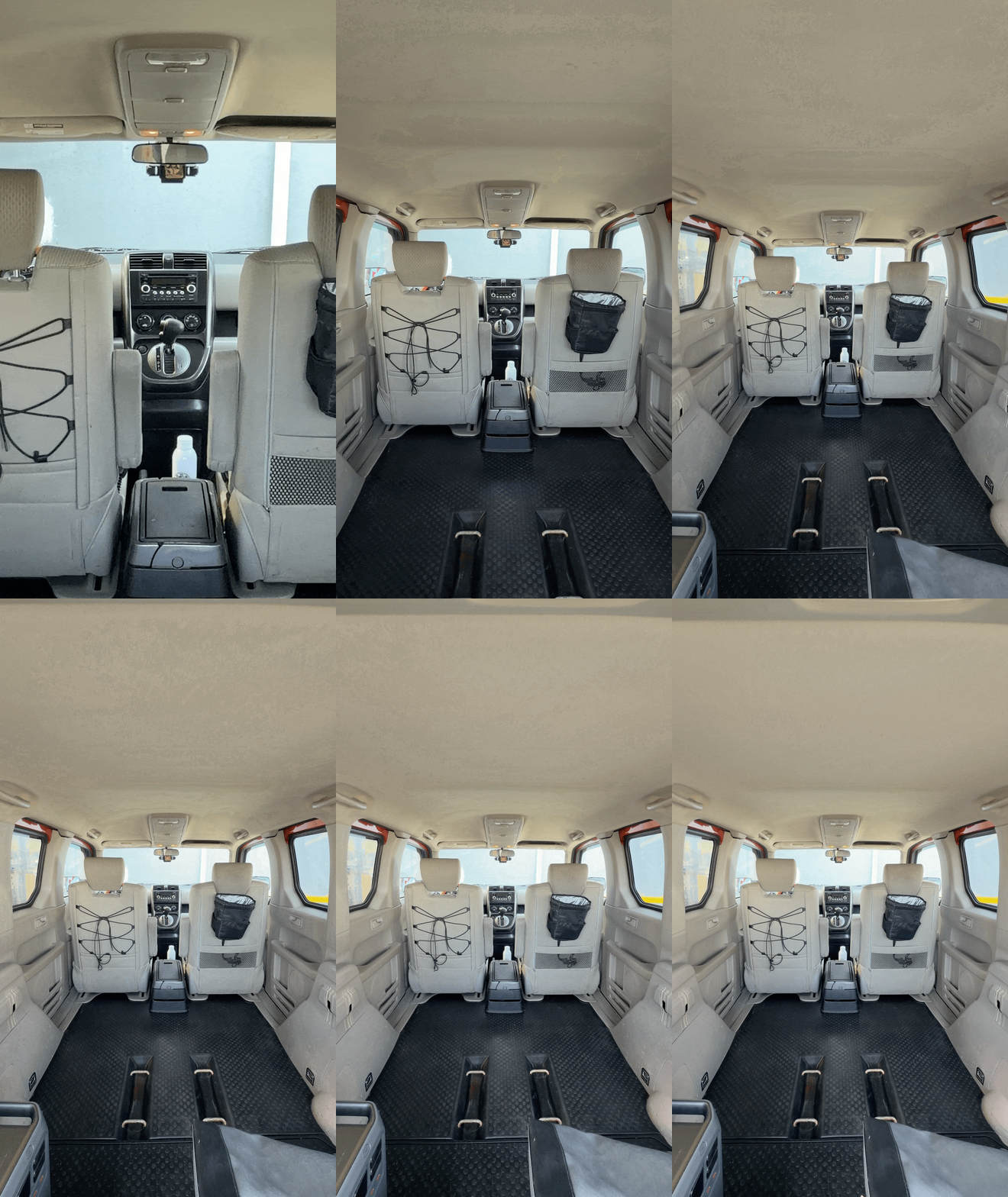
The back seats can lay flat to turn into a bed, fold up and clip against the side walls for extra space down the middle, or be removed entirely in seconds, opening up a wide-open floor plan with massive cubic volume that is unheard of for an SUV this size.
As I scrolled through dozens of owners sharing how they converted their Elements into mini campers and overlanders, I could see how one of these could be the perfect blank canvas for my mobile studio on wheels. I just had to find one.
The Hunt Begins
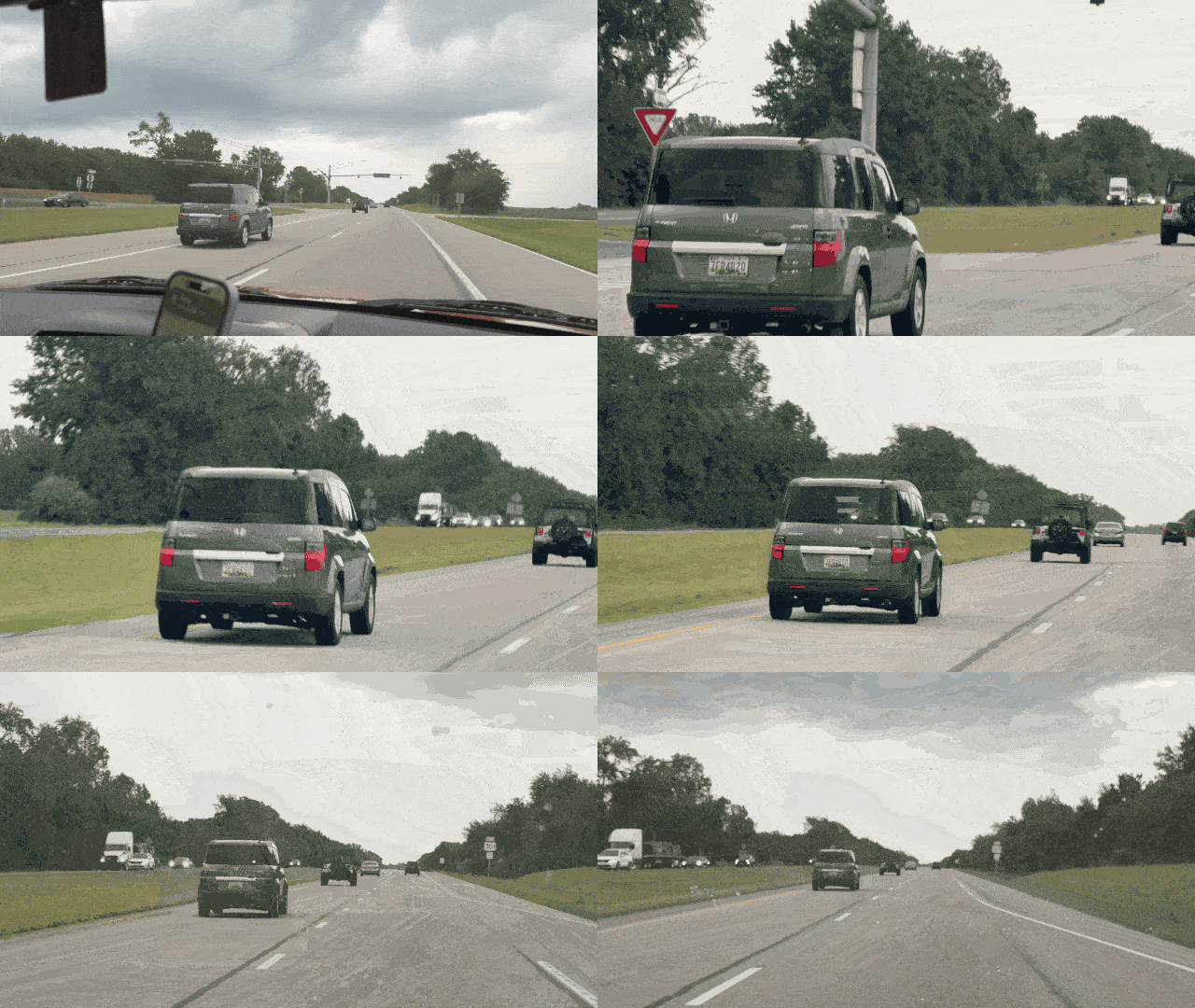
Rumors suggest Honda might revive the Element in 2029, but for now, if you want one, you’re stuck with the ones built between 2003 and 2011.
In 2007, Honda gave the Element key reliability and safety upgrades, including a 5-speed automatic transmission, seat-mounted seatbelts, standard side airbags, and stability control.
In 2009, it received a nice facelift with a restyled front end and squared-off wheel arches. Wanting some of those newer features and seeing what the market was going for, I set out to find a 2009-or-newer model for under $7,000.
But as I’d quickly learn, between nomadic car-campers and buyers just looking for a bulletproof utility box, the used market for these is hyper-competitive.
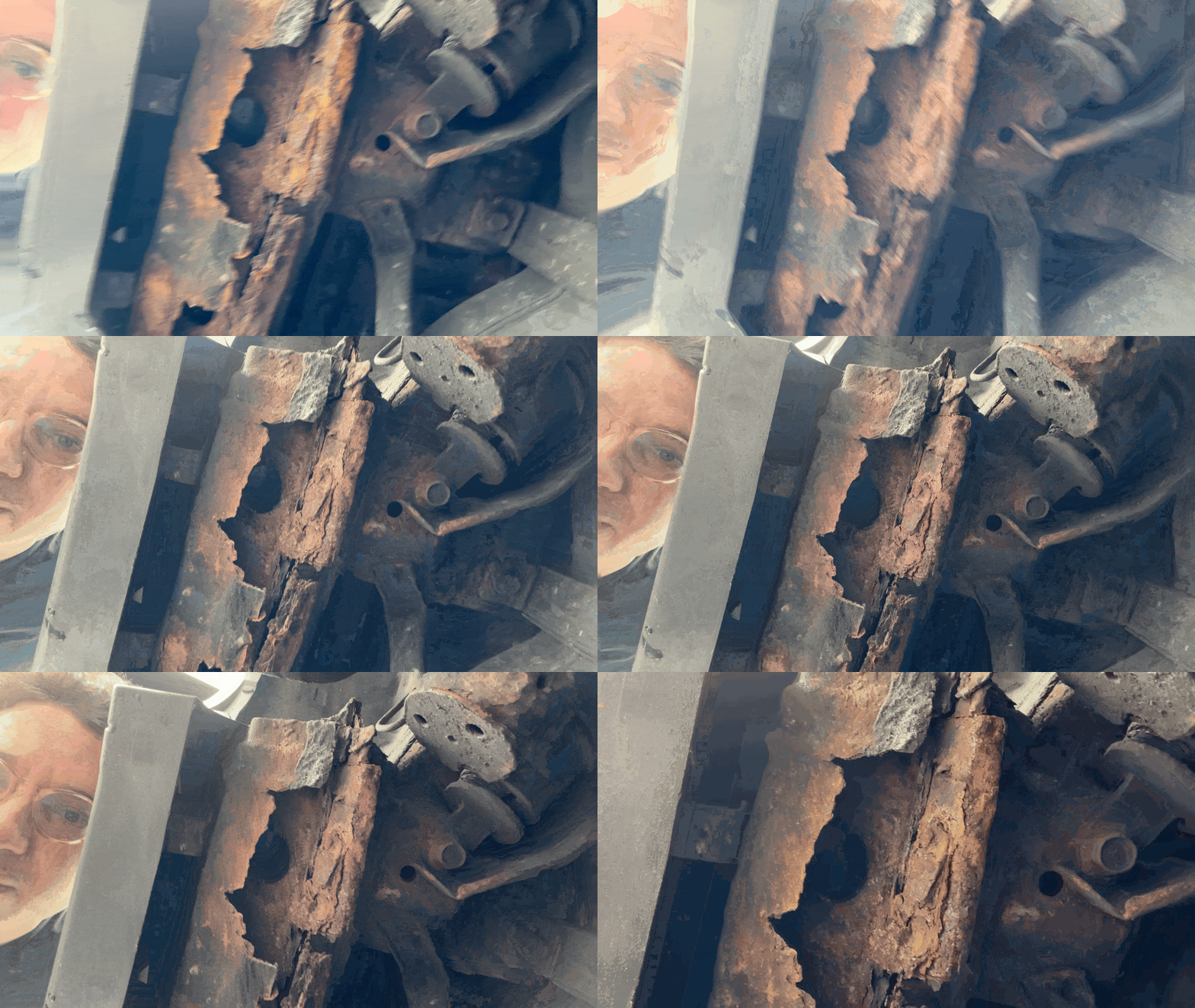
Adding to the challenge, the Element is sadly very susceptible to severe corrosion. Finding a clean model in the Northeast that wasn't eaten alive by road salt was going to prove very difficult. The first few I inspected were total rust buckets with rotted subframes that the sellers hadn't even noticed… or so they claimed.
Even the ones that were solid underneath were a total mess inside. One had been used as a mobile mechanic’s work truck and had seen better days; another had a dead AC compressor (which, again, was apparently shocking news to the seller) and looked like a glorified dog kennel.
After checking out and passing on roughly a dozen Elements hiding major dealbreakers, the listings were drying up. Even as I expanded my search radius, a few weeks passed without anything within my budget showing up. Just as I was starting to lose hope, a Facebook Marketplace listing popped up right before 4th of July weekend: a two-owner 2010 EX in Sunset Orange with 220,000 miles.
The mileage was definitely on the higher side, but the CarFax showed a solid service history. From what I could tell, the photos looked clean, and after speaking to the dealer on the phone, they swore the underbody was rust-free and sent additional photos promptly to back it up.
I did some quick research on the dealership, Friends N Family Auto Repair, which seemed to have mostly positive reviews online. Although they specialize in repairs, I saw that they had sold a few other Elements in the past, which gave me a bit more trust in them.
This was the most promising lead I'd seen in about a month. The catch? It was 350 miles away in northern Virginia. I knew I’d have to make a decision fast if I didn’t want to let this one slip away.
Luckily, I have family in the area and a father who was also intrigued to see where this crazy idea of mine was headed. I booked a one-way flight for the next morning, landed in Virginia, and together we headed over to inspect it.
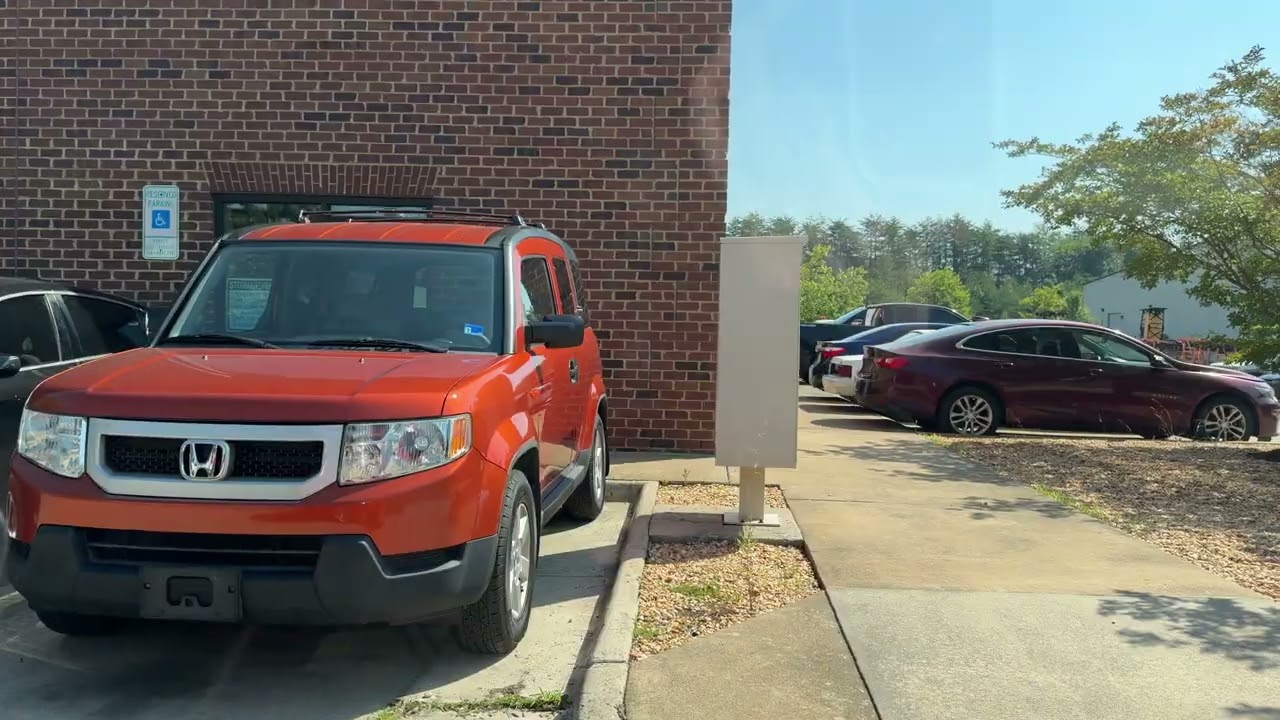
First impressions were great. The paint looked terrific, except for a few rock chip spots and some very minor scratches and dings that I didn’t really notice until I got up close. The interior was equally impressive.
Aside from typical driver's seat bolster wear (which is common on these), some minor dash sun spots, and a missing driver-side weatherstrip along the glass, you could tell the previous owners took good care of it.
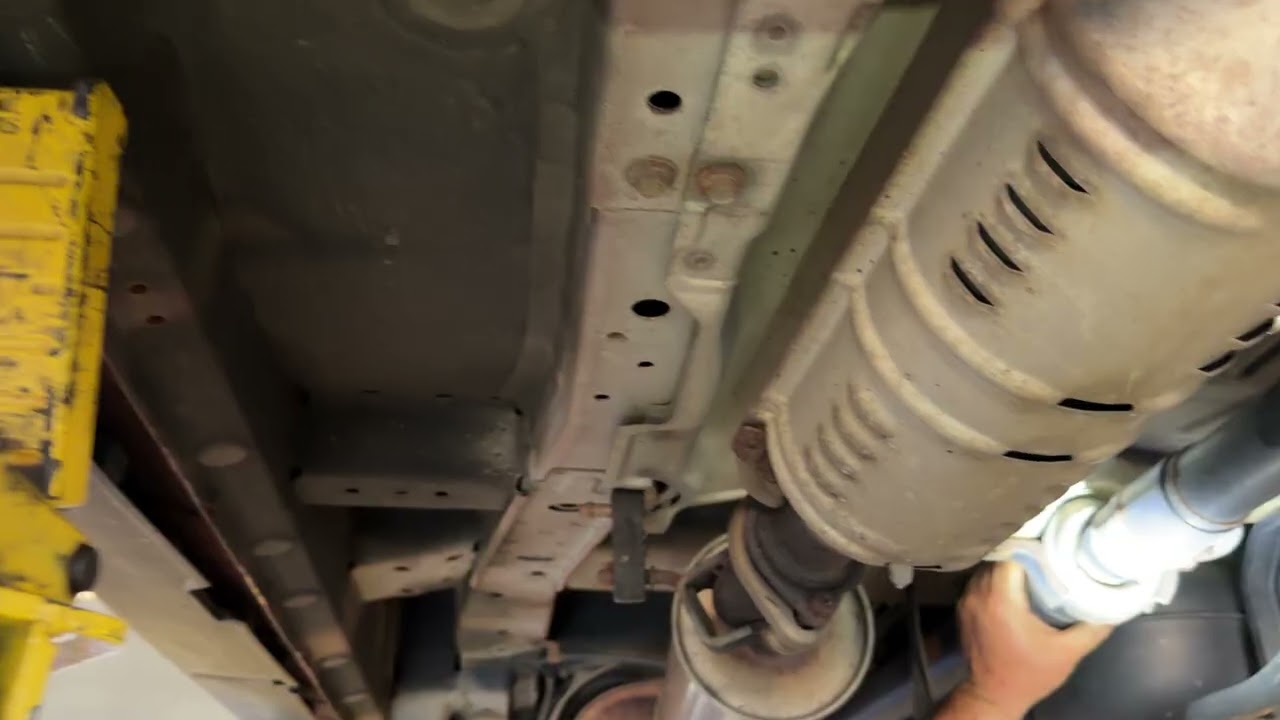
But the real test was underneath. We put the Element up on a lift, and as it rose into the air, I took a deep breath. Huge sigh of relief: practically zero rust.
For a 16-year-old car, the underbody was remarkably clean. Sure, the tie rod ends and lower control arm bushings will need a refresh soon, but compared to those other cars I’d seen, this was night and day.
The high mileage still wasn’t ideal, but under the hood sits Honda’s legendary K24 engine, which is known for being nearly bulletproof and shared with cars like the Honda CR-V and Accord.
After some quick haggling, I handed over $6,500 and was the proud owner of a 2010 Honda Element EX with exactly 220,306 miles and hopefully taking it well past 500,000!
The Drive Back

I pointed the car north and began my 7-hour drive back. About 30 minutes in, reality hit: the check engine light popped on for an O2 sensor error.
Now, this is something I first identified during my initial test drive before purchasing. The shop actually agreed and installed a new sensor, only it wasn’t until I was deep into DC rush hour traffic that I put two and two together and realized they didn’t install the right OEM part.
Hondas are notoriously picky with sensors, triggering the light again. The shop offered to swap in the correct OEM part if I brought it back, and while I probably won't drive all the way back to Virginia, I respected them for wanting to do right by the fix.

Unfortunately, while it's a relatively simple fix, this issue forces the engine to run heavily rich, leading directly to worse gas mileage and a strong gasoline smell, especially when idling.
Past the point of no return and finally through DC’s traffic, I was hitting highway speeds. While I wouldn’t necessarily call it slow, the Element certainly isn’t as peppy as my previous cars, not to mention pushing a toaster-shaped object through the air at 70 miles per hour doesn't do fuel economy any favors.

Coming from hybrids that easily pushed 45+ MPG, calculating roughly 24 MPG after my first few fill-ups was going to be my new normal.
What I Love about My Honda Element So Far
Even with the persistent dash warning, the rest of the drive home was nothing but smiles.
I passed three other Element owners on the highway, exchanging waves and beeps, even convoying alongside one into Brooklyn before honking goodbye at our exits. I instantly felt part of a great community.
Once in city traffic, the Element’s short length and tight turning radius made sudden lane changes and parking incredibly easy. It's the ultimate NYC cheat code: you get the vault-like cargo capacity of a small van squeezed into the exact footprint of a Honda Civic.
Parallel parking this has no right being this easy, though a backup camera would be a welcome addition as I get used to this new shape.
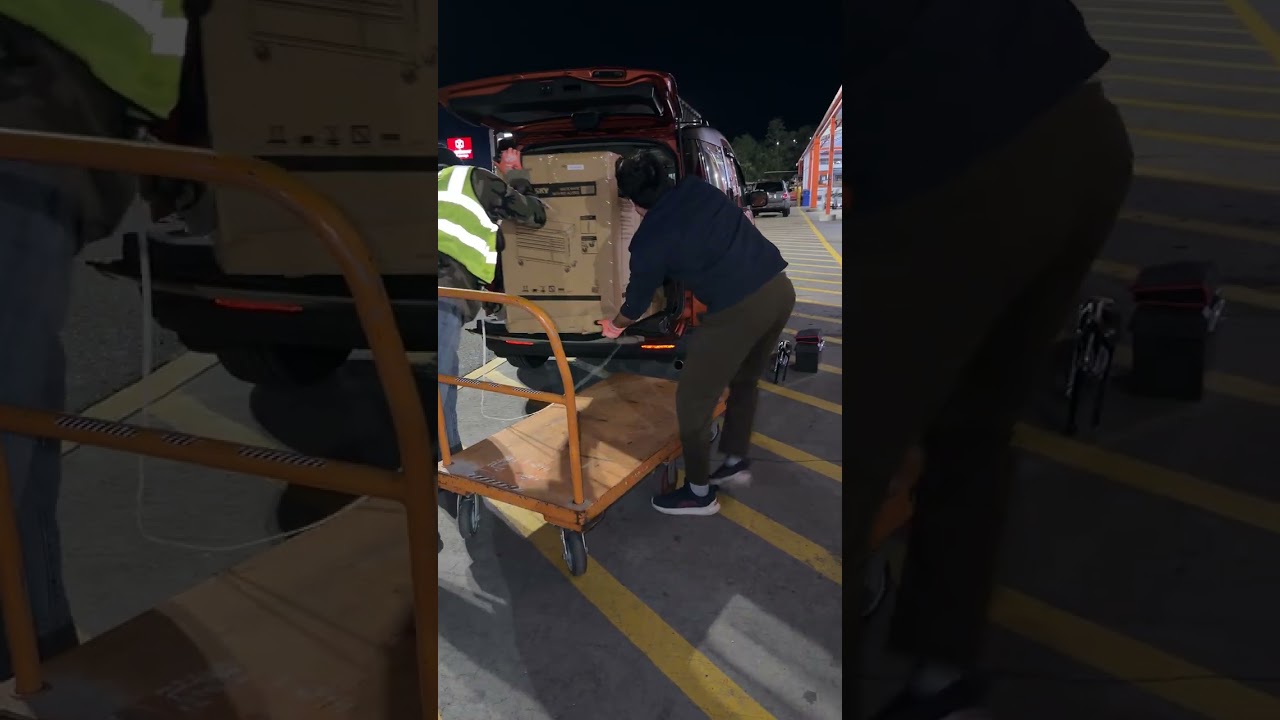
In my brief time owning this so far, I’ve completely taken out the rear seats and hauled just about everything I can think of inside.
Costco and Home Depot runs, my e-bikes upright without having to remove any wheels, lumber, grills, standing desks, and lots more as I’ve begun moving into a new home that hopefully won’t flood on me.
More importantly, I’ve already begun testing a few mini production setups. I’ve experimented with a few shelves and storage cabinets that allow me to organize some of my camera gear and auto tools to one side, while allowing for easy access to my bike on the other with plenty of open space down the middle.
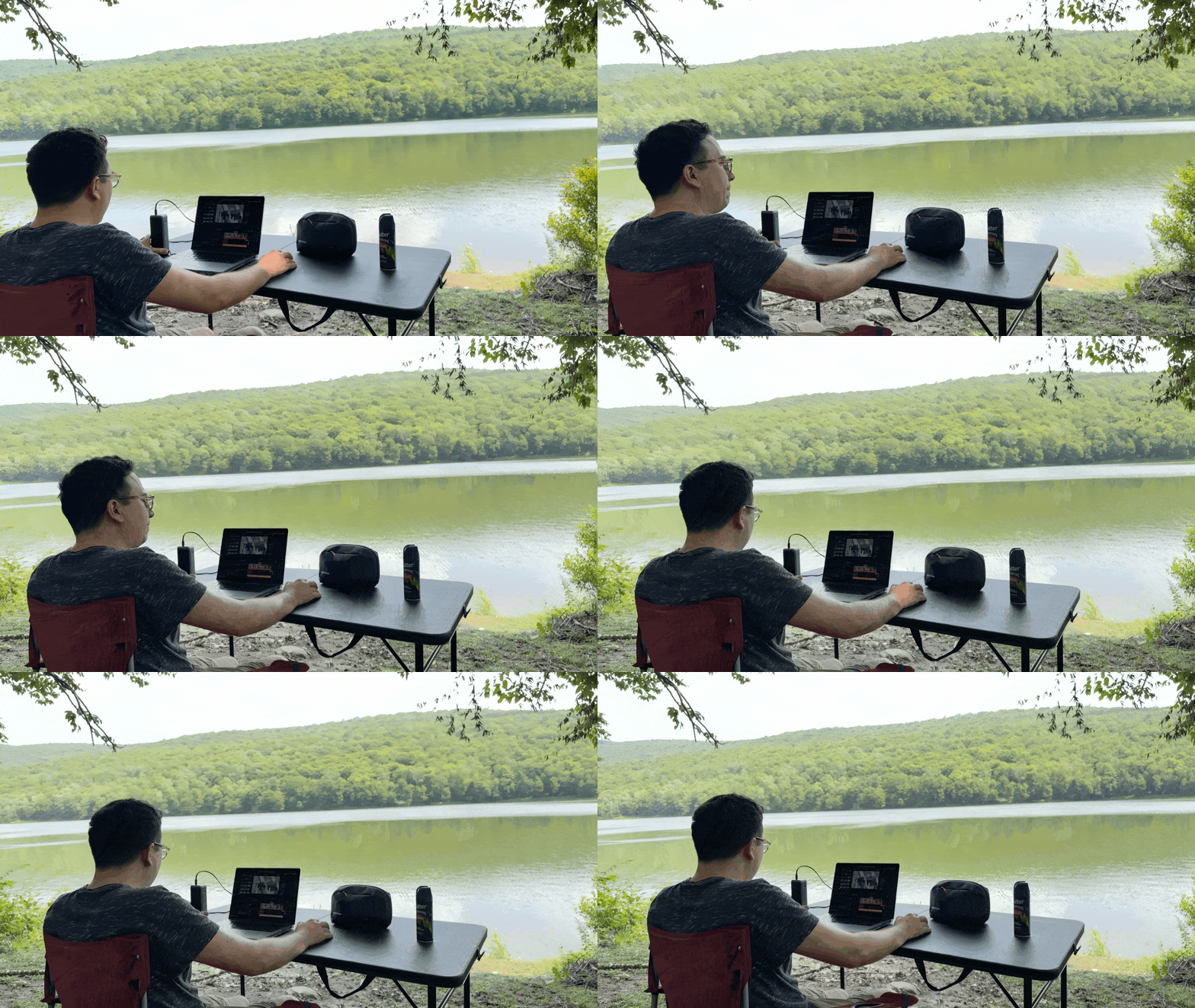
I’ve already taken this to some incredible spots to remotely work off the grid, and things are only going to ramp up from here.
Welcome to Finding My Element

This project marks the start of my new series, Finding My Element, where I’m stepping way out of my comfort zone to turn this $6,500 gamble into a high-end, off-grid mobile YouTube studio.
I have zero mechanical experience, but I’m documenting this build over time — keeping track of every upgrade, every mistake, and every dollar spent to overhaul this Element.
I’ve already knocked out a few subtle initial upgrades to get the ball rolling.
For an extra pop of color, I’ve added orange Lug Nut covers to hide the missing original chrome ones. I’ve installed $4 small blind spot mirrors to help with lane changes with those thick rear B-pillars in the way.
And since this is New York, I knew I had to quickly install a dash cam. I went with the Rexing R88, which is known for its automatic parking collision recording features and comes with a fairly large 4-inch display. I’ve been using it as a digital rear-view mirror when I’ve got things stacked to the ceiling and can't see out the back too.
At the heart of the studio side of things, I’ve got a DJI 2000Whr powerstation hidden away in one of my shelves. It provides plenty of silent power to keep my cameras, drones, laptop, and my color-matched Urtopia Carbon Fold 2 folding E-Bike charged for days without needing to idle my engine.

I also recently picked up a flexible BougeRV 200W solar panel that I’m experimenting with roof-mounting solutions to keep my power topped off indefinitely.
The Road Ahead

My next priorities are replacing that O2 sensor, which I honestly should have done weeks ago, with the correct OEM one, upgrading the factory stereo to an Apple CarPlay head unit to modernize the cabin and not have to use an AUX cord like a caveman.
Down the road and with your feedback, I want the best suggestions for adding a lift kit and knobby tires to make this more offroad worthy. I was thinking a 2-inch lift kit and all-terrain tires would do the trick for better trail clearance and a more aggressive look.
I still need a name for this orange toaster, so feel free to reach out with your best picks and make sure to vote for which upgrade I should tackle first to get this toaster fired up!

Follow Tom's Guide on Google News and add us as a preferred source to get our up-to-date news, analysis, and reviews in your feeds. Subscribe to Tom's Guide on YouTube and follow us on TikTok. Finally, you can visit our dedicated Tom's Guide Savings Squad hub for expert help on getting the best products for less.
More from Tom's Guide