The Bravia 8 — Sony's only new OLED TV in 2024 — will end up being one of the best TVs of the year. The test results are in, our review is forthcoming, and we can confirm that the Bravia 8 is every bit as impressive as its predecessor, the Sony A80L OLED.
So why are we still kind of disappointed?
As it turns out, last year's A80L is still on shelves — and very much on sale. And, despite being every bit as good as the A80L, there are only a handful of ways in which the Bravia 8 improves upon it. For TVs, being just as good as your much-lauded predecessor is far from the worst outcome. It is, however, an outcome that can complicate matters if you're shopping for a Sony OLED.
Let's get into it.
Sony Bravia 8 vs Sony A80L: test data
| Row 0 - Cell 0 | Sony Bravia 8 | Sony A80L |
| Price for a 65-inch TV | $1,899.99 | $1,499.99 |
| SDR brightness (10%, in nits) | 94.4 | 224.1 |
| Delta-E (lower is better) | 3.3 | 3.8 |
| HDR brightness (10%, in nits) | 815.5 | 675.5 |
| UHDA-P3 gamut coverage | 99.07% | 99.15% |
| Rec.2020 gamut coverage | 75.01% | 73.27% |
| Input latency (in milliseconds) | 12.6 | 16.3 |
Across the board, the Bravia 8 is a fantastic performer. Setting aside the inherent benefits of OLED technology — perfect black levels, excellent motion handling, and super-accommodating viewing angles — the Bravia 8 also delivers incredible accuracy right out of the box — just like the A80L. None of this is a surprise; OLED TVs have built-in benefits and Sony is known for its precise presentation.
But there's not much in the way of improvement year over year. The Bravia 8 packs a bit more of a punch when it comes to specular highlights, but it's not a major leap, and I suspect most people wouldn't clock much of a difference in highlight brightness in a side-by-side comparison.
Make no mistake: Given their price, performance, and pedigree, you'd be blessed to own either of these TVs. But right now, there's a $400 to $500 price difference between them.
Sony Bravia 8 vs Sony A80L: Which OLED should I buy?
Although it's the pricier of the two, the Bravia 8 has never been more affordable than it is now. At around $1,900 for a 65-inch model, it's already $900 below its original price — a pretty terrific deal, all things considered. Plus, if you're dead-set on a brand-new 2024 Sony OLED, it's your only option this year.
That said, if you don't mind buying a TV from 2023, it's worth taking a good, hard look at the A80L, which is currently on sale for $1,500 at Best Buy. Yes, it's an older model, but we suspect that the money saved will be worth more to most people than the Bravia 8's modest gains.
Looking ahead at the future of OLED
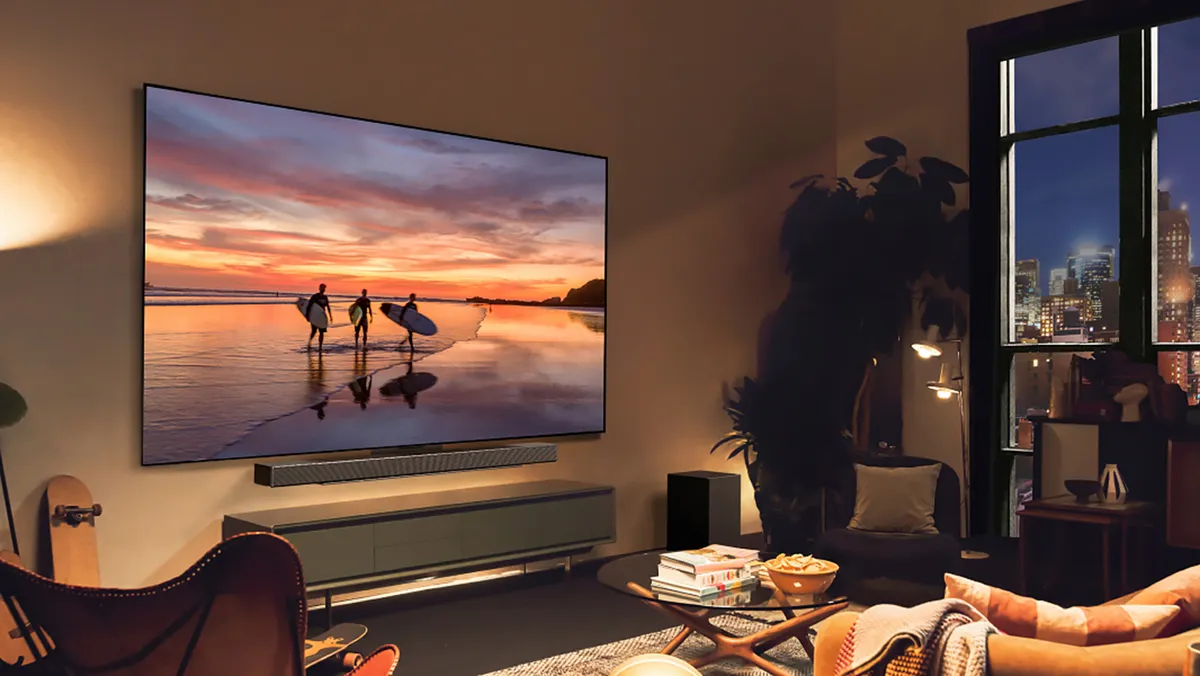
Here's why we're disappointed that the Bravia 8 isn't more of an upgrade.
OLED TVs like the A80L and the Bravia 8 leverage the tried and true technology we've grown accustomed to over the last decade: WOLED. The formula still works because the formula is fantastic.
However, this reliable, aging actor is quickly becoming a sidekick to its cooler, younger co-stars. QD-OLED technology (harnessed by Samsung and Sony) and MLA-equipped WOLED panels (the crown jewel of LG Display) are a significant step up. The technologies excel in different ways, but QD-OLED TVs (like the Sony A95L) and OLED TVs equipped with MLA technology (like the LG G4) have a higher performance ceiling than traditional OLEDs (like the A80L and Bravia 8).
Yes, the better-performing OLED TVs will take more out of your pocket, and having more affordable options in the OLED space is great for shoppers. But if there isn't much iteration year over year, a feeling could begin to settle in that you've paid too much for a TV like the Bravia 8 — especially as technologies like QD-OLED come down in price.
In other words, if the Bravia 8 hit the market at its current sale price, its modest gains wouldn't feel quite so disappointing. It's easy to recommend that someone buy the Bravia 8 on sale for $1,900, but as long as it's still available, it's much easier to recommend the A80L at $1,500.