Homeowners are being warned not to overload extension cords in yards and garages during the heatwave, as summer gadgets, tools and outdoor setups put extra pressure on electrical sockets.
As we spend more time in our yards, caring for our lawns, running outdoor lights, and using pool pumps, it can be all too easy to rely on extension cords to supply the extra power our devices need.
But the biggest error, according to Justin Nielsen, energy consultant at Wolf River Electric, is thinking an extension cord gives a household unlimited power.
The dangers of using an extension cord
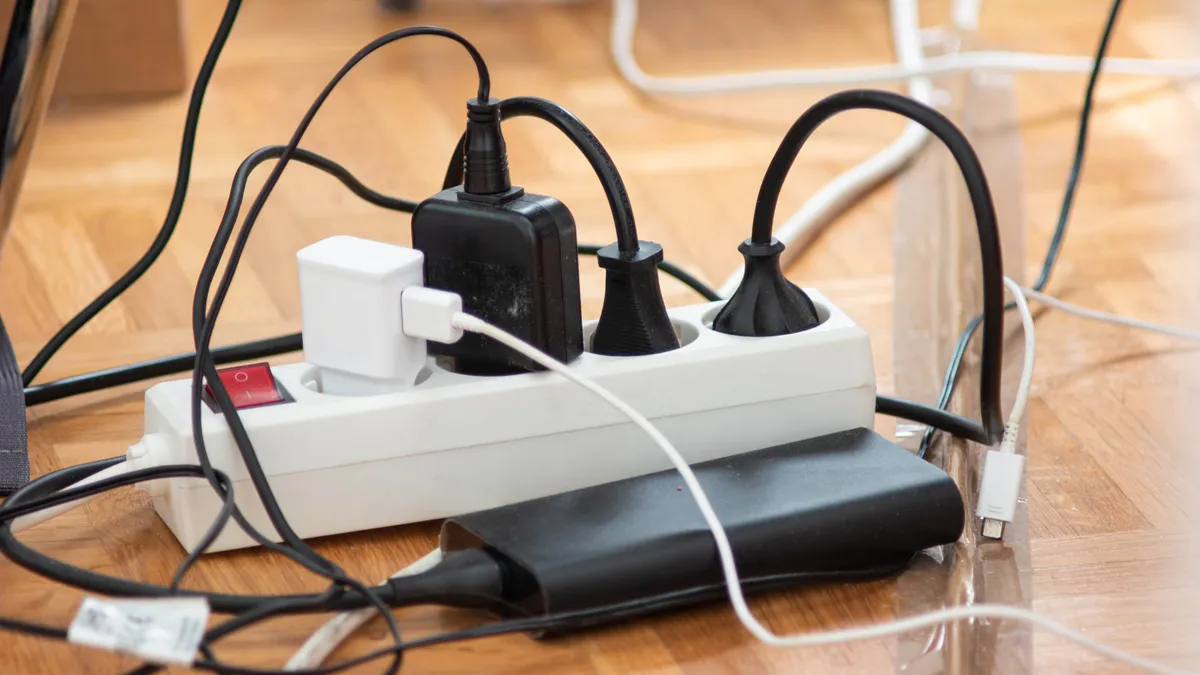
Nielsen explains that an extension cord doesn't provide extra capacity; he says, “It only moves access to power from one place to another. If you plug too many devices into one extension cord or start daisy-chaining cords together, you are increasing the risk of overheating, tripping, equipment damage or overloading the circuit.”
It’s a view shared by Giuseppe Capanna, product safety engineer at Electrical Safety First, who says, “Whilst extension cords can be useful, they need to be used correctly to avoid creating a serious safety risk.”
Don’t make these electrical mistakes in your yard
The biggest mistake homeowners make, according to Capanna, is overloading. He says, “An extension lead does not provide extra power, so plugging in too many appliances, especially high-powered garden tools, can cause cables and sockets to overheat and increase the risk of fire.”
It can become a particular problem in summer, when a single extension cord powers multiple high-demand items. Nielsen adds that one of the danger areas is in yards and garages where people often have temporary power setups.
An extension lead does not provide extra power, so plugging in too many appliances, especially high-powered garden tools, can cause cables and sockets to overheat and increase the risk of fire
Giuseppe Capanna,Electrical Safety First
This can happen when someone plugs outdoor lights, speakers, a projector, a mini fridge, a pressure washer or several chargers into the same lead without checking the load.
Nielsen explains, “Gardens and garages are where people tend to improvise. They run one extension lead out of the kitchen, add a multi-socket adaptor, then plug in whatever they need for the day.”
While he says it might be fine for a few low-power items, it becomes a problem when people add higher-demand equipment or leave it running for hours.
Don’t ‘daisy-chain’ extension cords
Have you ever plugged one extension into another to reach to the end of your yard? It’s a common issue described as ‘daisy-chaining’, which Nielsen says is often used in backyards when people are trying to reach patios, sheds, garages or outdoor seating areas.
And he urges that if the cable is not long enough, don’t plug another one into it. “Daisy-chaining makes it harder to track the total load and creates more points where heat or damage can occur,” he says. “The safer option is to use one properly rated extension cord that is long enough for the job, or have outdoor power installed correctly by a qualified electrician if you need it regularly.”
If you are constantly relying on extension cords to provide the extra power you need in your yard or garage, Nielsen says it’s a clear sign you need something more than a temporary setup.
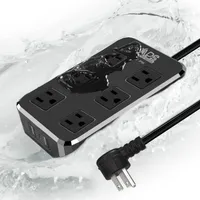
Stop using indoor cords outside
Another common summer mistake is using indoor extension cords in your yard, with Nielson warning that even if the weather is dry, outdoor conditions are different.
“Outdoors, you have moisture, grass, soil, foot traffic, pets, children, sunlight and sudden changes in weather. Even during a heatwave, gardens are not completely dry or controlled spaces. Morning dew, paddling pools, sprinklers and drinks being knocked over can all create problems,” he explains.
Apart from advising homeowners to use only extension cords designed for outdoor use, he also urges you to keep plugs, sockets and connections off the ground and away from water.
“If there is any chance the lead or socket could get wet, do not use it. Outdoor electrics need proper protection, not guesswork,” he adds.
Check for RCD protection
For your safety, Capanna says that any socket outlet being used to power outdoor equipment should be protected by a Ground Fault Circuit Interrupter (GFCI), also known as a residual current device (RCD). “It can help protect from electric shock if a fault occurs or a cable is accidentally damaged,” he says.
And he adds, "An RCD may already be fitted in your fuse box, but if your system is older and does not have one, a portable RCD can provide additional protection.”
Don’t forget your garage setup
Nielson extends his warning to garages that often contain freezers, battery chargers, power tools, e-bike chargers, and gym equipment, all fighting for limited sockets.
“Garages are easy to overlook because people treat them like storage spaces, not electrical spaces,” says Nielson, “But a garage can get very warm in summer, especially if it has poor ventilation or a dark roof. If you then have chargers, tools and appliances all plugged into one lead, you are creating a setup that needs checking.”
He adds that high-power items — anything that heats, cools, pumps water, charges a large battery or runs a motor — can draw more power than people expect and should never be plugged into an extension cord.
Uncoil cable reels

Another summer hazard is failing to uncoil cable reels when using an extension cord. Capanna says, “Cables left in direct sunlight or wound up on a reel can overheat, so always fully unwind cable reels before use and ensure they are suitable for the equipment you’re using.”
Nielsen adds, “People often leave half the cable wrapped around the reel because they only need a short length, but that is exactly the kind of shortcut that can cause overheating.”
Aside from always uncoiling the cable properly, he advises being careful about where you place it to ensure it doesn’t create a trip hazard.
Always think 'safety first'

Before using an extension cord in your yard or garage, Nielsen advises checking the cord’s maximum rating, the condition of the cable, and whether it’s designed for outdoor use.
Other signs to look for are cracked plugs, exposed wires, scorch marks, buzzing sounds, loose sockets or any lead that feels unusually hot.
He says, “If an extension [cord] feels hot to the touch, stop using it. Warm plugs, burning smells, flickering power or equipment cutting out are all warning signs.”
Rather than finishing what you are doing, he advises to switch it off immediately and check what is causing the issue.

Follow Tom's Guide on Google News and add us as a preferred source to get our up-to-date news, analysis, and reviews in your feeds.
More from Tom's Guide