If you’re looking to buy a well-priced PC or tablet in 2026, the “wait and see” approach isn’t going to work, as the IDC just put out a damning forecast that prices will continue to skyrocket — only beginning to level out in 2028.
While the first huge shock has already happened, experts are predicting the average selling prices (ASPs) will continue to go up by another $115 over the next 12 months. And because companies seem intent on focusing on high-end/premium devices to extract maximum value per GB of RAM used, this may be the death of the budget PC.
"Memory shortages will persist well into 2027," Jitesh Ubrani, research manager for IDC’s Worldwide Mobile Device Trackers, commented. "While we anticipate some easing of prices beginning in 2028, the market is unlikely to return to the pricing levels seen in 2025."
So what’s causing it? Are there any other problems that could make it worse?
What’s causing it?

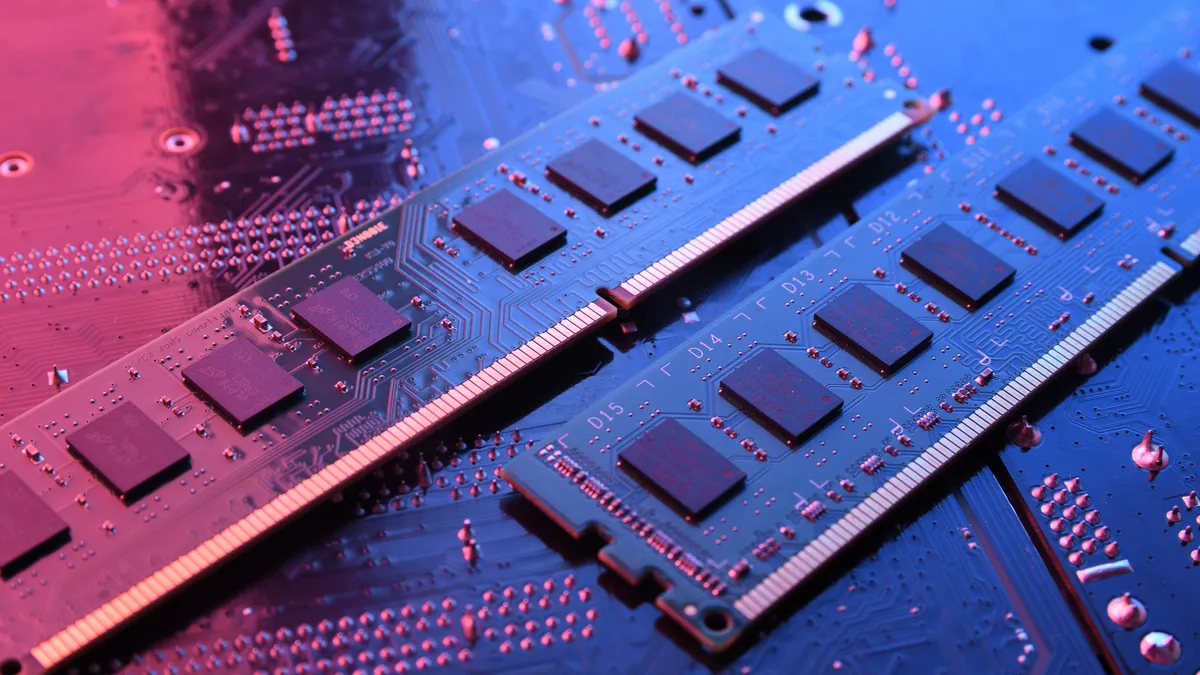
You already know two of them: the RAM price crisis and the AI PC transition. The first has probably been the most critical factor — AI data center build-out consuming more than half the world’s DRAM and NAND chip supplies and leaving us with far higher prices.
The second is the priceyness of making Neural Processing Units (NPUs) for AI PCs. That component cost is being passed directly to the buyer as well, and driving up that ASP.
And third is supply chain constraints. The shock to manufacturing with these lofty purchase agreements (OpenAI signing a deal to purchase 40% of the world’s projected DRAM for example) is sending shockwaves through the entire industry, as producers race to keep up by building out new manufacturing capabilities.
Ubrani’s conclusion is that we won’t ever see a return to the lower prices we saw before all this chaos. “Instead, we expect a new normal defined by structurally higher ASPs and a corresponding softening in long-term demand,” he added.
Conflict premiums

What’s even more concerning is that these numbers were pulled before the conflict in Iran started. I won’t go into the geopolitical consequences of this (you probably already know them), but there are three ways you may not realize this will hit laptop and tablet prices:
- Helium: Helium is critical for cooling the high-precision lasers used in making semiconductors (a process you may have heard called lithography). 30-40% of the world’s helium comes from the Middle East, and manufacturers will have a touch time finding this gas elsewhere.
- Energy prices: We’re all already feeling this hard at the gas pump, but this increase in oil prices will hit semiconductor producers (fabs) too — given the huge energy demands of these factories. On top of that, insurance premiums for cargo ships transporting these gadgets have skyrocketed too, meaning that you won’t just be paying for the computer, you’ll be paying for the increased price of getting it to the shelf.
- The AI PC squeeze: Circuit boards use a lot of bromine and other raw chemicals, which the region is a key source of. And in a conflict, governments will usually prioritize semiconductor supply for defense systems — leaving fewer chips for consumer computers and driving the price even higher.
So it could very well be possible that IDC's estimates are actually more on the conservative side. Yikes.
The MacBook Neo exception

Frankly, this is pretty terrible timing for Windows laptops, and could very well give the $599 MacBook Neo zero competition in dominating the budget space. Given what we're already seeing (the Neo already seemingly outperforms everything that price matches it in build quality and CPU speeds), if the competition is forced to up prices, that's game, set and match to Apple.
“A device like this will certainly have the Windows PC makers concerned,” says Jitesh Ubrani, research manager at IDC told Tom's Guide. “Apple’s tight integration and scale put it in a much better than other PC OEMs. Most PC brands are working on raising prices due to memory constraints while Apple has been defiant by launching a mainstream-priced notebook.”
This is going to be a problem, and it needs to force a drastic rethink of laptop affordability — whether it's going back to the Surface RT idea that failed the first time or something different.
Something’s got to give
Like I say in literally every piece I write about the ongoing RAM price crisis, I’m tired. This is not just a moment where we’re being hit hard, it’s an affordability crisis that could very well make it impossible for some consumer computing companies to exist.
Put simply, it’s an affordability crisis for us and for them. You can see the big pivot companies have made to really push their server racks and AI data center hardware, while quietly raising the prices on consumer hardware.
A bit of inside baseball for you: whenever I test a laptop, I get a reviewer’s guide that gives me comprehensive detail — usually including price. Recently, the price is usually left blank until roughly 24 hours before launch. It’s crazy work!
And what’s the fix to this? Some people (namely, Jeff Bezos) believe the answer is to push all consumer computing up into the cloud. Spoiler alert: it’s not. Having your own machine access be beholden to cloud infrastructure that isn’t the most reliable is a huge gatekeeping red flag.
No, I think it’ll be something different. Like I said when Lenovo raised prices, I believe that generative AI is a bubble — mind-blowing spending commitments that companies will not be able to pay for the sake of AI slop which is leaving investors who have poured billions into it thinking “where’s our money going, and do we get it back?”
If it bursts, the priorities of AI will be reset to focus on social good, and there will be a mountain of silicon that companies are desperate to get off their shelves for better prices. At least that’s what I’m hoping for anyway.

Follow Tom's Guide on Google News and add us as a preferred source to get our up-to-date news, analysis, and reviews in your feeds.
More from Tom's Guide
- AI might be a bubble, and Stephen Hawking winning an F1 race in Sora 2 is all the proof I need
- RAM prices keep rising in 2026 — Acer exec says PC makers may bypass major suppliers to keep laptops affordable
- AWS suffered ‘at least two outages’ caused by AI tools, and now I’m convinced we’re living inside a ‘Silicon Valley’ episode