We all know that staying active and eating well are vital if you want to live a healthy life, but what if exercise could help you live longer? Earlier this week, I reported on a study that found tennis to be the secret to adding 10 years to your life, but if you hate racket sports, I’ve got good news — new research suggests strength training also shaves years off your biological age.
The study, published in the journal Biology, looked at the impact of strength training on aging in nearly 5,000 men and women between the ages of 20 and 69.
To measure biological age, researchers looked at the length of the participant’s telomeres — these are the protective DNA caps at the end of chromosomes. Telomeres prevent your DNA from getting damaged; they shorten as we get older, and shortened telomeres are often associated with age-related diseases. The measurement is taken through blood samples.
As well as this, participants were asked how often they worked out, and how often they did strength training.

Researchers discovered that doing 90 minutes of strength training a week was linked to a reduction of nearly four years in biological age. This means if you do 180 minutes, or 30 minutes most days of the week, you could cut your biological age by up to eight years. Remember, strength training doesn’t have to involve lifting weights or using resistance bands — bodyweight workouts count too.
The study’s researchers concluded that strength training ‘‘mitigates some of the damage caused by such chronic diseases, reversing muscle loss, raising resting metabolic rate, promoting fat loss and improving cardiovascular health.” As a result, this can “limit disease and slow the aging of cells.”
Of course, there are limitations to the study. It doesn’t go into any detail about the weight-lifting routines of the participants, for example. But, either way, the message is that strength training can keep you fitter and healthier for longer, and reduce signs of aging.
What are the benefits of strength training?
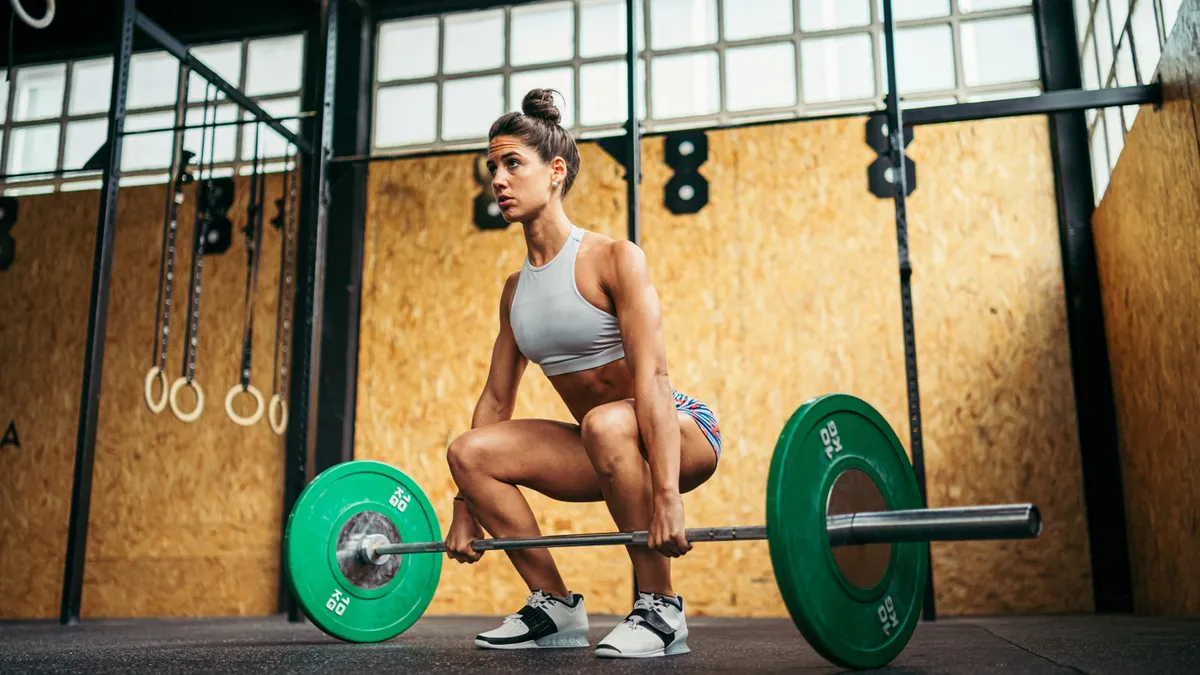
Strength training is one of the most effective ways to build muscle and maintain muscle strength, especially as we age. You’re working your muscles against a force, promoting muscle growth as you do so. That force might be a set of the best adjustable dumbbells, machines in the gym, or simply your body weight. You’ll increase your strength and power, and improve your bone density, reducing the risk of fractures and breaks.
If you’re looking to lose weight, strength training can boost your metabolism and burn calories, even once you’ve finished working out — something referred to as the afterburn effect. Muscle tissue is more metabolically active than fat tissue, so by increasing the muscle tissue in your body, you’ll burn more calories throughout the day, making weight management easier.
Finally, strength training improves your balance and coordination, and overall flexibility and mobility. Functional exercises like squats and lunges mimic movement patterns you make in everyday life, as you lower down to sit in a chair, or carry bags of shopping. Working on the muscles, tendons, and ligaments you use can help prevent injuries in the future.
More from Tom's Guide
- 5 best kettlebell ab exercises for beginners to build a stronger core
- Strength training vs cardio: Which is better during menopause?
- Can you lose fat and build muscle at the same time? Experts weigh in