Between USB turntables and instant cameras, retro tech is cool again, which is why Kodak is bringing back a Super 8 camera this year.

Introduced four years before men walked on the moon for the first time, this film format, which captured backyard barbecues throughout the '70s — but died out when VHS arrived — is remembered for its nostalgically grainy look. Here's what you need to know about the film format, as well as Kodak's new camera.
What is Super 8?
Super 8 is a type of film, originally released in 1965, by Kodak. The film strip itself is 8 millimeters wide, but it gets the "Super" designation because the actual recording area is larger than standard 8mm film. Super 8 also has a metal oxide strip that records audio.

The film comes in a sealed cartridge, making it very easy for amateurs to load it into the camera, which is one reason it was very popular with consumers throughout the '70s. If you've ever seen the opening to The Wonder Years, you'll get a sense of what it looks like.
Super 8 cameras are still used by film schools to teach students about the fundamentals of shooting a movie, and it holds a special place for many; in fact, J.J. Abrams directed, and Steven Spielberg produced, a film called Super 8 in 2011. Not coincidentally, Abrams is also a supporter of Kodak’s project.
MORE: Kodak Mini Shot Instant Camera Review: Skip It
What makes Kodak's new Super 8 camera different?
Unlike original Super 8 cameras, which were last made about 35 years ago, Kodak's Super 8 camera will incorporate some digital elements, such as a flip-out 4-inch LCD electronic viewfinder and an SD card slot.

It's a variable-speed camera, so it can shoot at 18, 24, 25 and 36 frames per second, and has a fixed C-mount 6mm, 1:1.2 manual-focus Ricoh lens and a built-in light meter. It's also designed by Yves Béhar, which brings us to our next question …
How much will it cost?
Kodak hasn't set a specific price, but the company did give a range of $2,500 to $3,000, which is a lot to pay for nostalgia. You can find thousands of older Super 8 cameras (which don't have any digital parts) on eBay for less than $100.
When can you buy Kodak's Super 8 camera?
Sometime this year, according to Kodak.
What does footage from Kodak's Super 8 camera look like?
Kodak released a short video shot with its camera. It's what you would expect: slightly grainy. But the footage — which includes skateboarders, snowboarders, musicians and even a woman who looks like she's at Woodstock (it's the "Wilderness Festival") — has that nice faded retro feel.
How much does Super 8 film cost?
Kodak makes three types of Super 8 film: Vision3 500T Color Negative ($35), Vision3 200T Color Negative ($35), Vision3 50D ($37) and TXR-464 ($29). Each roll is 50 feet long, which is good for 2 and a half minutes of footage.
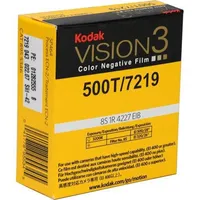
However, that's just half of the equation, as you also have to get it developed, which typically costs anywhere from $20 to $30 per roll.

But wait! Unless you get it transferred to digital, you'll also need an 8mm projector. No one makes these anymore, but you can find plenty on eBay for less than $100.
Those who send their film to Kodak to be processed will also get a digital copy for free, according to an article on The Verge.
Credit: Kodak