




With the arrival of summer, seasonal pests are at their absolute peak — and ants are my number one problem.
And if it’s not trying to banish ants from my yard or blocking them from my kitchen — now they've launched a full-scale invasion of my garden beds too.
We’ve been trying to grow a vegetable patch in my raised planter — where we’ve recently planted everything from fresh herbs and salad greens to melon seeds. But that took a frustrating turn when I discovered the soil had become a playground for ants, literally swarming on the soil and attacking some of the plants.
Since I didn’t want to contaminate my crops with chemicals, I called on the gardening experts to share some top tips on the most effective ways to save my raised beds from these tiny invaders.
What causes ants to invade raised beds?

One thing that always puzzled me was what attracted ants to my raised beds — especially when it’s literally off the ground.
One thing that always puzzled me was what attracted ants to my raised beds — especially when it’s literally off the ground.
"Ants usually follow one of two things — food or real estate,” states Kyle Turner, President & CEO of Be Proactive Pest Control. “Raised beds offer loose, well-drained soil that's perfect for tunneling, and if you have aphids on your vegetables, you've basically opened an all-you-can-eat buffet."
What’s more, scale insects or other sap-feeding pests produce a sweet, sticky substance called honeydew, which is enticing to ants who collect it as a tasty food source.
“The issue is when large colonies begin disturbing roots or protecting aphids from their natural predators.”
Another thing I learned is that during these sweltering temperatures, consistently dry soil provides the ideal environment for a colony to thrive, which perfectly explains the infestation I found. Plus, if you have rotting timber around older raised beds, this will also attract these tiny critters.
Raised beds offer loose, well-drained soil that's perfect for tunneling
Kyle Turner, President & CEO of Be Proactive Pest Control
Surprisingly, not all ants are a cause for concern and may actually be helpful in the yard.
“It is also worth remembering that a few ants in a raised bed are not always harmful,” adds Rick Young, Pest Control Professional and Owner of Youngs Pest Control.
“Ants can aerate the soil and remove dead insects. Action is usually only needed when there is a large nest, plants are being disturbed, aphids are being protected, or ants are repeatedly entering the home from the planter.”
How to get rid of an ant infestation without harming your plants?

So, what’s the best way to remove an army of ants? "The best long-term fix is to eliminate the reason they're there,” suggests Turner.
“If aphids are present, knock them off plants with a strong spray of water or use insecticidal soap. Once the honeydew disappears, the ants often lose interest. For nests in the bed, repeatedly soaking the colony with water can encourage them to relocate without affecting your vegetables."
In addition, always inspect your plants and ensure they are in good shape. "Keep plants healthy, inspect the undersides of leaves regularly for aphids, harvest ripe produce promptly, and avoid letting weeds establish around the beds since they can host both aphids and ants," Turner adds.
Another top tip is to ensure you regularly give your raised bed a deep watering. Since ants prefer dry, well-drained nesting sites, watering can encourage them to move along.
Just be sure not to overwater, as you want to avoid the risk of waterlogging or ruining your plant roots.
What natural ant repellents can I use?

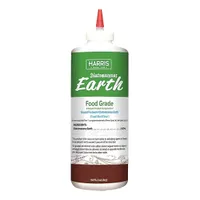
I’m a big advocate for using non-toxic pest solutions around the house, and it turns out that beyond D.E (food-grade), everyday kitchen staples can be just as effective at keeping ants at bay.
“Cinnamon applied around the bed perimeter works as a genuine deterrent, not just folklore,” advises Glen Chandler, Gardener & Founder of Evergreenseeds.com. “Ants avoid crossing it, and it breaks down harmlessly into the soil. Reapply after rain.
“Diluted peppermint oil (about 10 drops per litre of water) sprayed around the base of plants disrupts the scent trails ants use to navigate. It needs to be reapplied every few days, but it's completely safe around edibles.”
What’s more, I tried citrus peel in my kitchen when I had a few rogue ants, and I was impressed at how effective it was. Plus, it was a good way to repurpose my food waste.
“Citrus peel worked into the top layer of soil releases d-limonene as it breaks down, which ants strongly avoid,” agrees Chandler. “I tell gardeners to save their lemon and orange peels through the week and work them in around the bed edges.”
Armed with these expert-approved tips, I feel much better equipped to banish any ant colony from my raised beds and reclaim my garden this season. Watch this space.

Follow Tom's Guide on Google News and add us as a preferred source to get our up-to-date news, analysis, and reviews in your feeds. Alternatively, you can read our content on the Tom's Guide app available now for iOS and Android. Subscribe to Tom's Guide on YouTube and follow us on TikTok. Finally, you can visit our dedicated Tom's Guide Savings Squad hub for expert help on getting the best products for less.
More from Tom's Guide

