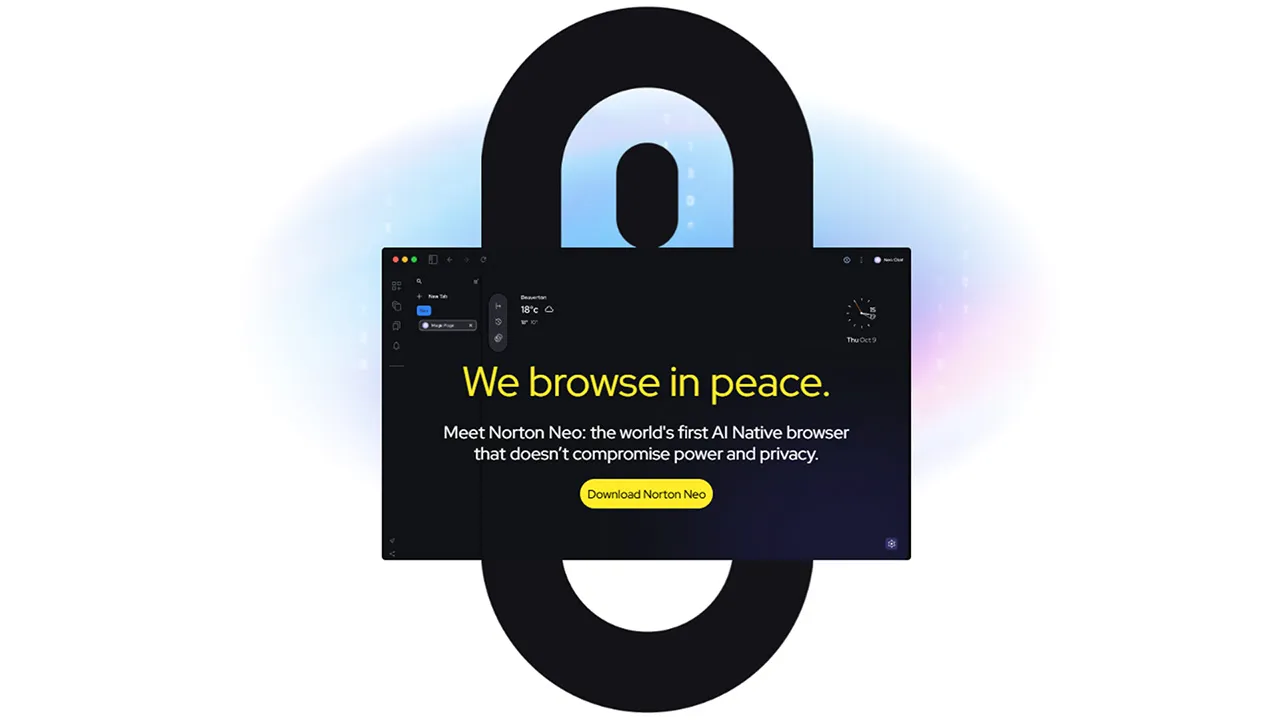
Norton Neo, the "AI-native" browser from cybersecurity titans Norton will now come with a built-in VPN.
The update, which released on May 4, also includes anti-phishing and anti-fingerprinting features which aims to improve privacy and security within the Chromium-based browser.
It's powered by one of the strongest challengers to the best VPNs, Norton VPN.
The VPN itself is adaptable, meaning that it "intelligently adapts" to sensitive sites, turning on and off as needed, with particular use cases being noted as banking and healthcare websites. The VPN uses "VPN for Agents", a new technology that creates a separate encrypted tunnel for AI agent traffic, for this level of autonomy.
The free browser's latest update will be intriguing to those interested in trying out Norton's new software, with the adaptive VPN being free for all users, unlike their VPN, which we've recently rated very highly.
Automated VPN
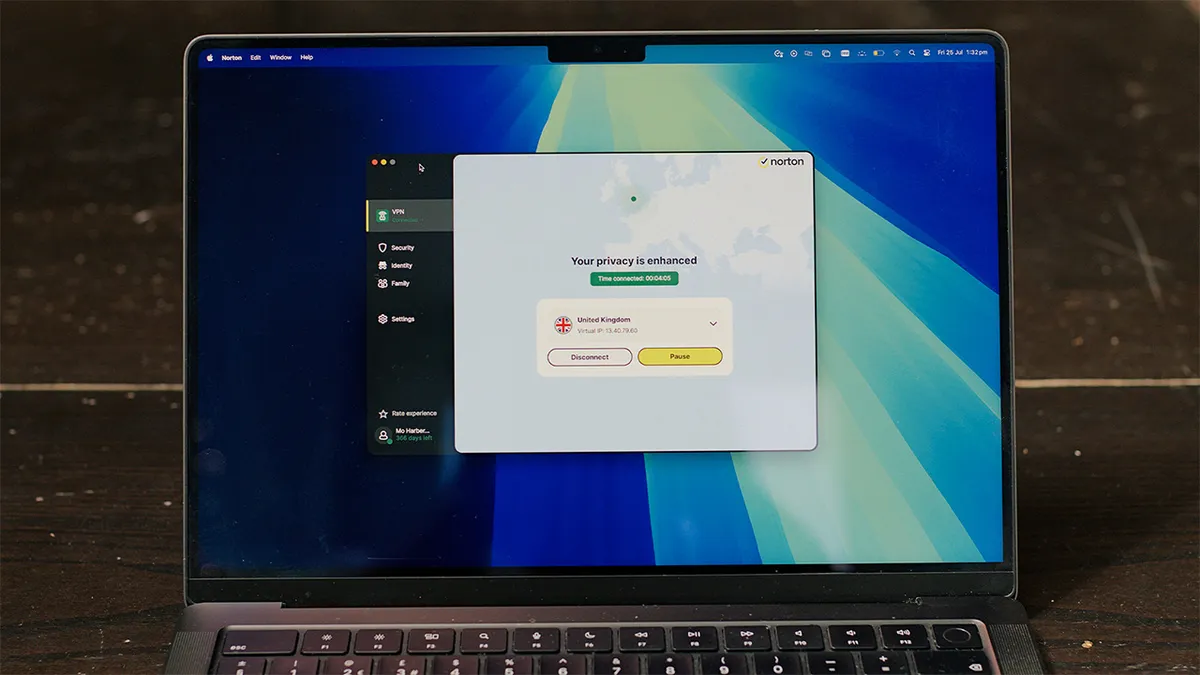
Neo's VPN is powered by Norton VPN. No separate app or subscription is required, and the VPN is covered by Norton's strict, and independently audited, no-logs policy. Anti-fingerprinting and ad blocking run in the background, protecting you from trackers.
However, it's not as powerful as the standard Norton VPN app, it's a watered down version. For example, there are fewer servers and country locations to choose from. Locations in Brazil, Canada, France, Japan, and Poland are currently available.
"The VPN integrated into Norton Neo is powered by Norton VPN technology," said Howie Xu, Chief AI and Innovation Officer at Gen. "As with any VPN integrated into a broader product experience, we’ve optimized the implementation for the browser environment and currently support a core list of countries."
"The experience is designed to deliver seamless privacy and security protections directly within Norton Neo, while leveraging the trusted VPN technology behind Norton VPN," Xu added.
We have previously found Norton Neo surprisingly pleasant to use. Back in February, Tom's Guide noted its ease and efficacy when it came to organising browser tabs, alongside other features. If the VPN is as smart as the rest of the browser, it could be a genuinely handy feature.
In addition to the new VPN feature, the update also brings some other security and privacy features. According to Gen Threat Labs, part of Norton's parent company, 83 percent of blocked attacks were web-based, which the new update attempts to handle, adding protection against indirect prompt injection attacks, essential to help keep the browser's AI, and the user, safe.
Other security updates include new ways to counter malicious and phishing websites, which is also available in webmail through Norton's Scam Analyzer engine.
In-built VPNs are increasingly common
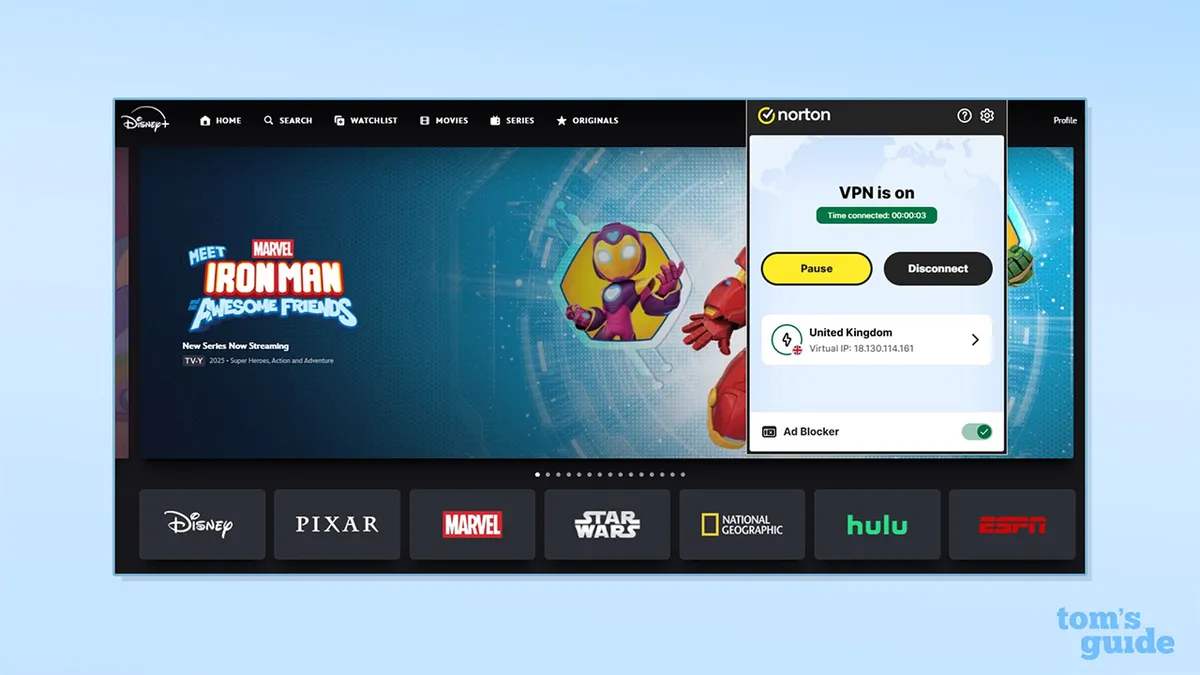
VPN integration into browsers is growing trend across the industry. Opera and Firefox both now include VPNs as part of their standard feature set. While they tend to be less feature-rich than dedicated VPNs, they're very accessible, and will likely only improve with time.
According to Howie Xu, "every AI feature added to a browser is another attack surface, and people shouldn't need to be security experts to feel safe online."
Xu said: "With Norton Neo, protection isn't a setting you turn on, it's the foundation. The VPN adapts on its own, phishing is caught before you click, and your AI queries can't be turned against you."
How to try out Norton Neo
If you're curious about trying out these new features, you can download Norton Neo for free from the official website.
If you've already got it installed, you can update it from within the browser, if it hasn't already automatically updated.
Norton Neo is currently available for both Windows and Mac.
We test and review VPN services in the context of legal recreational uses. For example: 1. Accessing a service from another country (subject to the terms and conditions of that service). 2. Protecting your online security and strengthening your online privacy when abroad. We do not support or condone the illegal or malicious use of VPN services. Consuming pirated content that is paid-for is neither endorsed nor approved by Future Publishing.