Now that we have the PS5, you'd be forgiven for wondering why you should care about the best PS4 games. But Sony's last-generation console is still wildly popular and perfectly capable at delivering some compelling gaming experiences.
And thanks to a very mature library, as well as being able to run on the PS5 thanks to backwards compatibility, this list contains a range of games that are very much worth playing today. These range from epic action titles like the rebooted God of War to Tetris and the odd Death Stranding.
So if you've got a gap in your PS4 library or just want to know what we consider are the best PS4 games, then read on.
Best PS4 action games

Bloodborne is a fresh spin on the format that developer FromSoftware introduced in Demon's Souls, and then pretty much perfected in Dark Souls. If you've played those games, you'll know what to expect from Bloodborne. It's a very tricky action RPG with an emphasis on tough bosses, cryptic storytelling and levels that are bursting with hidden secrets.
However, unlike the Souls games, Bloodborne favors a more aggressive playstyle, rewarding brave players with a portion of returned health if they strike back after taking damage. Oh, and it's all set in a dark, gothic Victorian city known as Yharnam.
It's a slightly different spin on what came before it, but it's equally triumphant. Bloodborne is one of FromSoft's most atmospheric and engrossing games, which goes from a brooding claustrophobic street adventure into a dive into other dimensions with a dose of eldrich horror. You'll fight and die against some horrific creatures and dexterous enemies. But each death is a learning moment and by the time you slay the final boss, you'll have one of the best natural highs around.
Read our full Bloodborne review.

The 2018 reboot of the God of War franchise elevated the franchise beyond the gory thrills of the original Greek mythology trilogy (and its numerous prequels) and breathed new life into the series. Kratos is no longer a living ball of rage, and is now a family man, trying to balance his blood-soaked past with his devotion to his adolescent son, Atreus.
Leaving the world of Olympians behind, Kratos has settled into the Norse world, but naturally, the peace the former God of War has found doesn't last very long, and soon the PlayStation mascot must set out on a new adventure, with Atreus in tow.
There's a new whole world of mythical beasts to slay. From trolls and ogres, to undead horrors and even Norse gods, Kratos’s new enemies put his skills to the test constantly. Meanwhile, the thoughtful story questions whether Kratos' violent past was fully justified. It's a bold new direction for a beloved series, and easily one of the best action/adventure games for the PS4 you can buy. The sequel is also equally epic.
Read our full God of War review.
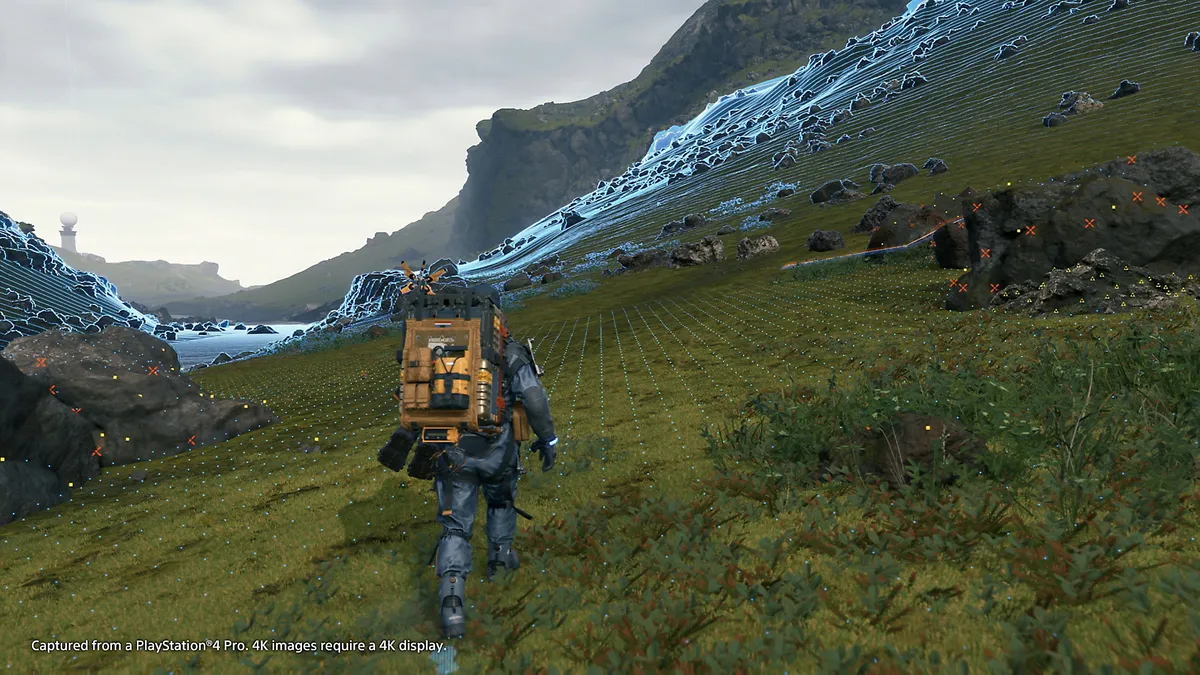
Visionary game director Hideo Kojima has never been afraid of taking risks. Look at the regularly bizarre narrative structure of his acclaimed Metal Gear Solid series as proof. But even by Kojima's standards, Death Stranding is an odd game. You can boil it down to a game about reconnecting the post-apocalyptic U.S. by delivering supply boxes, but there's so much more at play here including paranormal soldiers and strange creatures.
Death Stranding isn't scared of being slow either. Many missions will task you with simply walking from point A to point B for minutes on end with little in the way of distractions to keep you occupied. But the slow-burn nature of its visually stunning, and oddly Icelandic-looking, open-world allows the excellent atmosphere to properly grab players.
You might find the understated gameplay, and general lack of action, a little tedious. But others will find the simple pleasures of delivering a package to the right place rewarding. Plus, you can eventually upgrade the abilities of protagonist Sam Bridges adding a strong progression loop. If you're missing a hit of Kojima creativity, then Death Stranding is well worth your time.
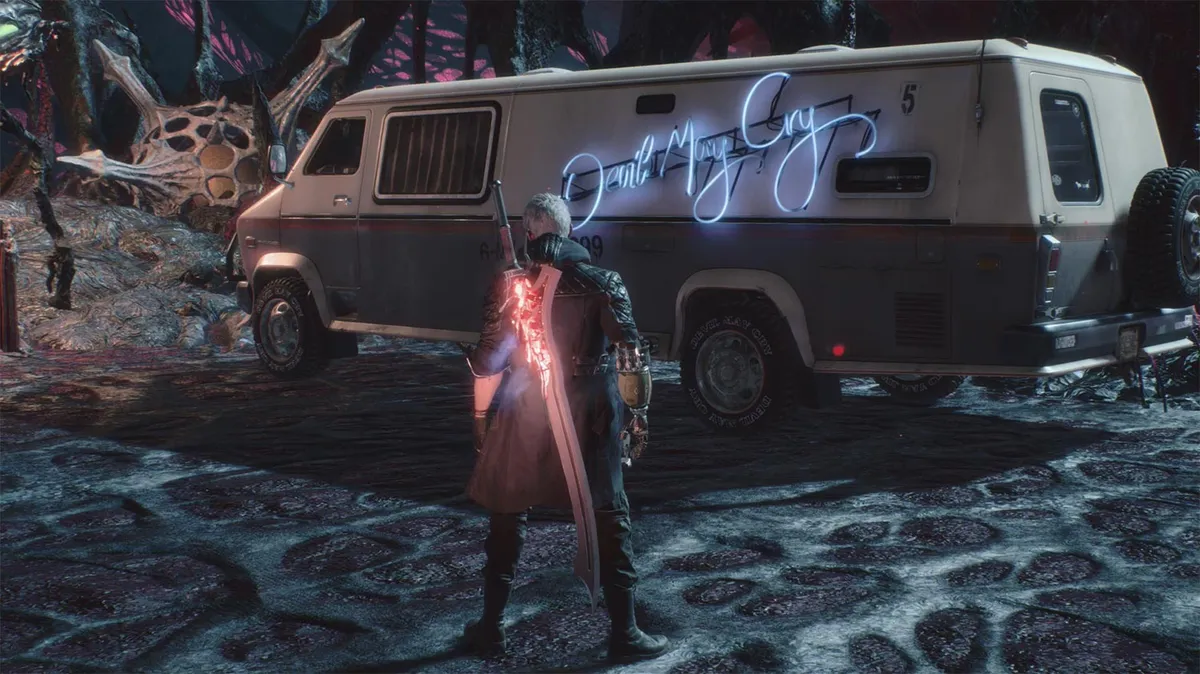
The ultra passionate Devil May Cry fanbase had to wait a long time for the franchise's fifth mainline entry, but Devil May Cry 5 was a sequel well worth waiting for. This is confident, stylish action game that strikes the perfect balance between giving long-term fans the challenging skirmishes they crave while keeping things accessible for newcomers to the DMC series.
You play as a trio of seriously cool anti-heroes: Dante, Nero and V. In this linear action game, you face-off against all manner of grotesque foes, utilizing a robust combat system that mixes firearms, swords and supernatural powers. But just reaching the end of each well-paced level isn't your only goal, true mastery requires stringing together moves for a high score.
The gameplay is particularly satisfying, since as you rack up higher combos, the soundtrack will change and become more elaborate to reflect your success. Devil May Cry 5 is a gorgeous, rewarding experience, and well worth a look even if you have no experience with the series. But if you want to start from the beginning the Devil May Cry: HD Collection is also on PS4.
Read our full Devil May Cry 5 review.

The Last of Us Part II is one of the greatest PlayStation games ever made. It's also one of the most divisive — and that's probably just what the developers at Naughty Dog intended.
In this direct sequel to the original Last of Us game, you play as Ellie, who embarks on an epic quest for revenge across the remnants of the western United States. Grown up and elevated from "sidekick" to "protagonist" status, Ellie has to rely on her own skills and decide when (or if) revenge slips past "necessity" and into "obsession."
The story in The Last of Us 2 has quite a few interesting twists and turns, but the gameplay supports it beautifully. With lots of ways to customize and upgrade Ellie, and a bevy of options for stealth, combat and exploration, The Last of Us 2 makes use of big, creative levels and intelligent enemies of both the human and Infected varieties. With gorgeous graphics and moving voice acting, it's not hard to see why The Last of Us 2 is one of the best action/adventure games on the PS4 you can buy.
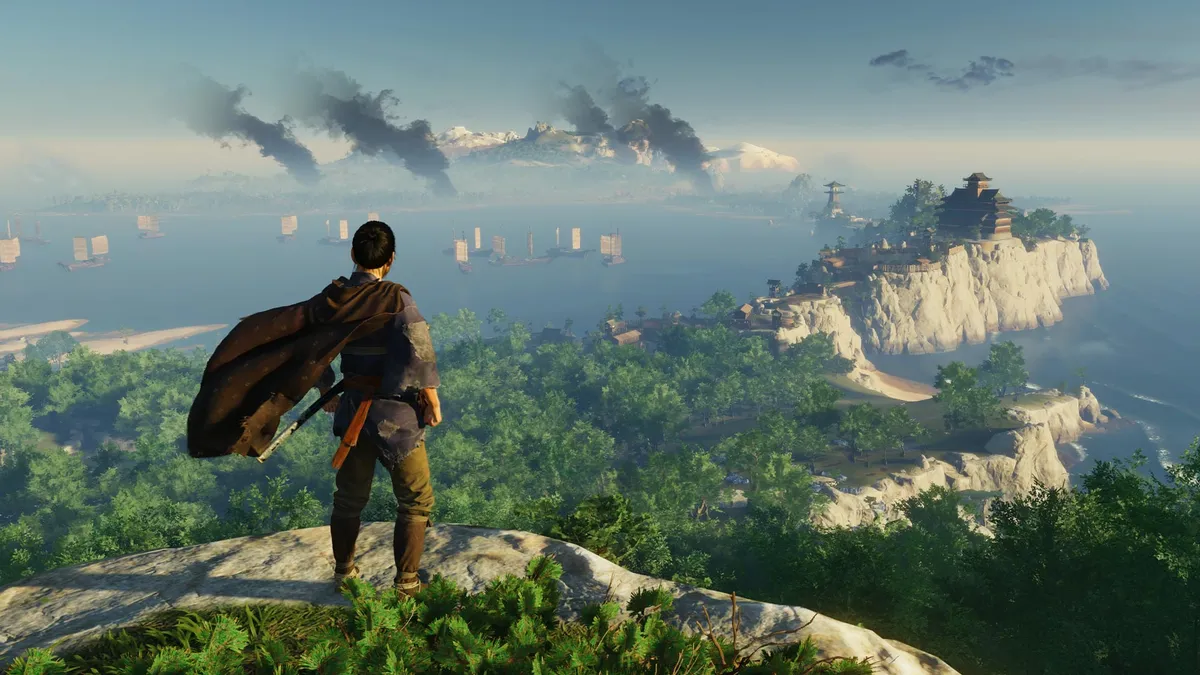
Ghost of Tsushima is one of PS4's most graphically impressive games, but its beauty isn't just skin-deep. This Sucker Punch developed title also boasts one of the most immersive and impressive open-worlds in any game, or any platform.
Loosely based on real-world history, in this action/stealth game you play Jin Sakai, a samurai who fighting against the Mongols during their 13th-century invasion of Japan. While its open-world trappings are similar to games like Assassin's Creed, Ghost of Tsushima distinguishes itself with its incredible sword fighting. The combat in the game is simply superlative, with lots of techniques to employ, tools to use and strategies to learn.
The grind to complete all the side activities can become a little repetitive — there's a lot of the usual open-world fluff — the cinematic story is highly engrossing tackling heavy themes like duty and sacrifice — all fitting themes for a samurai narrative.
Read our full Ghost of Tsushima review.
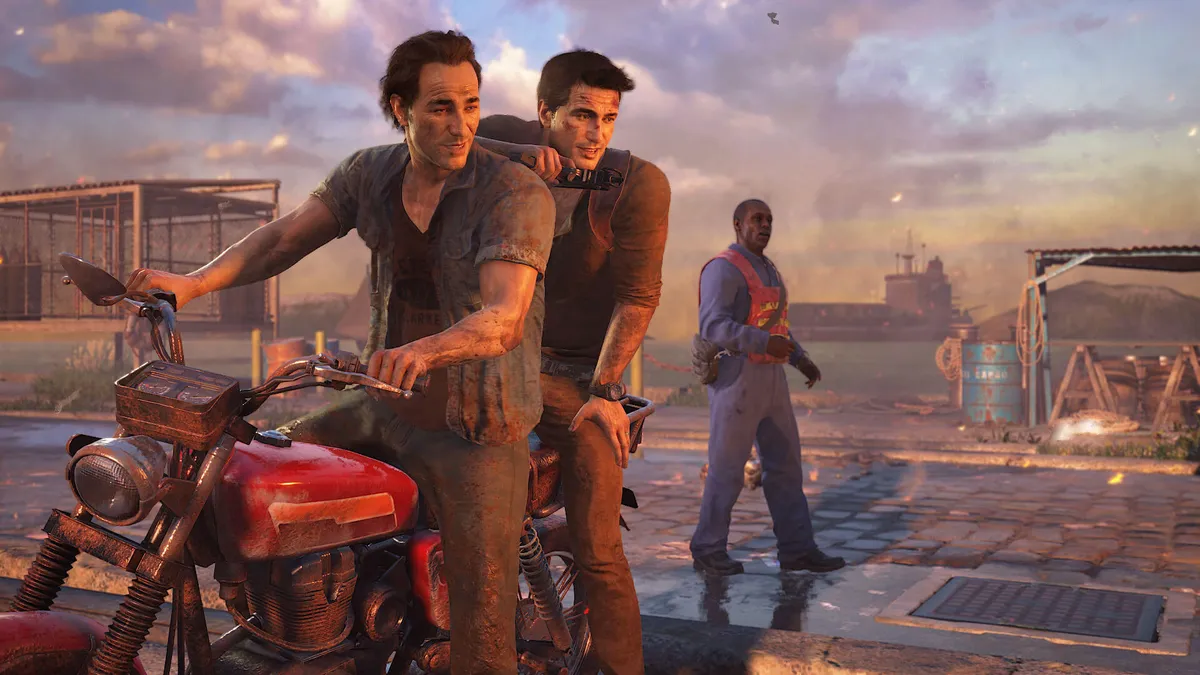
Billed as Nathan Drake's final adventure, Uncharted 4: A Thief's End is the culmination of the blockbuster action series and tells the franchise's most cinematic and personal story yet.
Not only does it pack jaw-dropping set pieces aplenty, but its thoughtful narrative looks at Nathan Drake as a character in interesting ways exploring what makes him tick, and why he's so hooked on the adrenaline rush of finding long-buried treasure and squaring off against an army of goons. Arguably the best game in the entire series — which is some praise considering the high bar set by Uncharted 2: Among Thieves — Uncharted 4 sees the iconic treasure-hunter on the tray of a long-lost pirate utopia, and this time his brother, Sam Drake, is along for the ride. Which freshens up the formula considerably.
It's no slouch in the gameplay department either. The riveting historical mystery comes alongside top-notch gunplay and vehicular exploration sections. Not only will you engage in some of the most well-designed firefights in the series, but you’ll also check out beautiful African vistas, track down hidden artifacts and puzzle out some intricate brainteasers.
Read our full Uncharted 4 review.
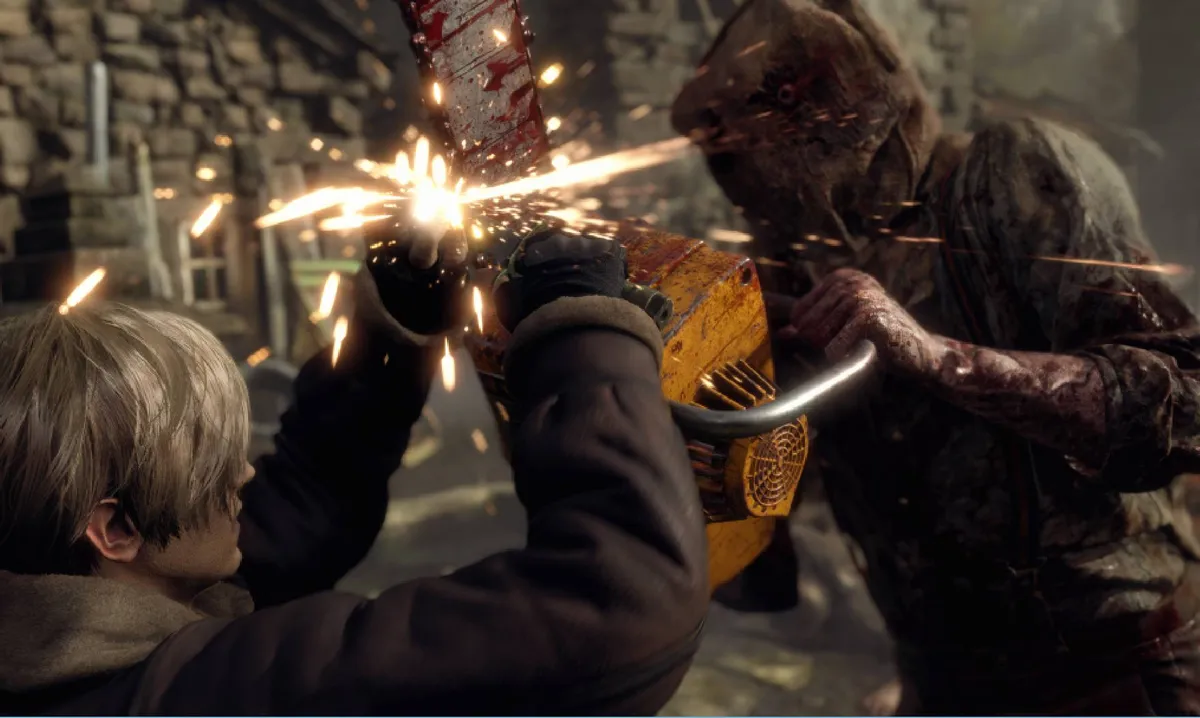
Resident Evil fans are positively spoilt for choice when it comes to available entries on PS4. Whether you want to step into the newest game in the timeline (Resident Evil: Village) or return to the past via the phenomenal remakes, almost the full survival horror saga is playable on PS4 (yes, even the lackluster ones like Resident Evil 6 have been ported).
Picking just one for this list is tough but we're opting for the stunning Resident Evil 4 remake. The original remains one of the most influential and celebrated games in history, and somehow this new spin managed to live up to the game's gargantuan reputation. Resident Evil 4 (2024) in many ways surpasses its source material by making very smart tweaks.
Obviously, the stunning new visuals are the biggest improvements, but the gameplay has also been made a little smoother (though skirmishes remain intense and challenging), and the story has been pruned in all the right places. Like the original, you play Leon S. Kennedy on a mission to recuse the President's kidnapped daughter in a spooky European village.
Read our full Resident Evil 4 review

Mortal Kombat has had its ups and downs over the years, but Mortal Kombat 11 demonstrates that the series still has plenty of surprises to offer. In addition to a solid story mode and tons of unlockable single-player content, Mortal Kombat 11 offers refined, strategic one-on-one fights. Instead of testing who's memorized the most super-moves or how quickly players can mash an attack button, this game prioritizes distance, variety and judicious application of limited super-moves.
Of course, Mortal Kombat's hallmark gore is back in full-force, with some extremely over-the-top fatalities, sure to test even the most hardened stomachs. This may be a selling point or a deal breaker, depending on your tolerance, but it’s good to know that the series hasn’t toned itself down over the years. Overall, MK11 is simply an excellent fighting game, with a little something for everyone.
Read our full Mortal Kombat 11 review.
Best PS4 open-world games and RPGs

It's been a long time coming, but Red Dead Redemption 2 is finally available on the PS4. That means dozens — maybe hundreds — of hours spent wrangling horses, gunning down outlaws, chasing bounties and generally exploring the Wild West as bank robber Arthur Morgan. As a member of the deadly Van der Linde gang, Morgan must evade federal agents while carving out his own piece of history during one of the most tumultuous eras in the United States.
There’s a ton to do in Red Dead Redemption 2, from engaging in firefights with outlaws, to exploring the wilderness, to taming horses, to undertaking quests for various townsfolk and settlers. With deep gameplay systems, an ambitious story and a fully-realized setting, Red Dead Redemption 2 demands a lot of time, but offers plenty of satisfaction in return.
Read our full Red Dead Redemption 2 review.
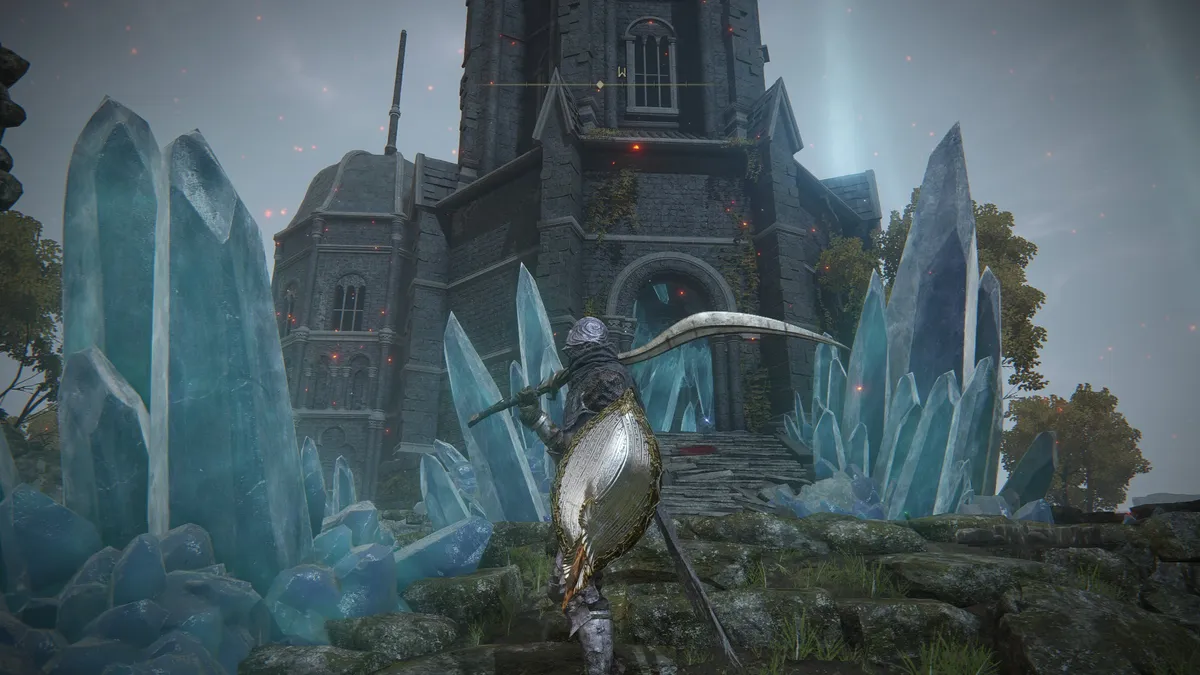
Elden Ring is arguably one of the best games ever. It takes the deep combat of the Dark Souls series, sprinkles in a little bit of Bloodborne fluidity and then drops you into a vast open world. And what an open world it its. Almost every corner, hilltop, rocky outcrop, ruined building, forest and more hides a secret or something to see; often a hideous enemy who'll tear you to shreds if you take liberties.
The magic here is that if you get stuck on one particular area you can simply explore another until you return, better equipped and stronger to take down a challenging foe or vicious dungeon. A huge and deep suite of mechanics let you figure out ways to combat those enemies; you can be a super tanky warrior with dual-wielding colossal swords or stand back and bombard enemies with giant rock spells and the power of the cosmos. Or you can find a middle ground, being an agile spellsword who softens up enemies with a few spells before diving into melee to rapidly finish them off with a series if rapier thrusts. Whatever way you want to play Elden Ring almost certainly has the option, just be prepared to dive into some numbers and description-heavy menus.
Read our full Elden Ring review.
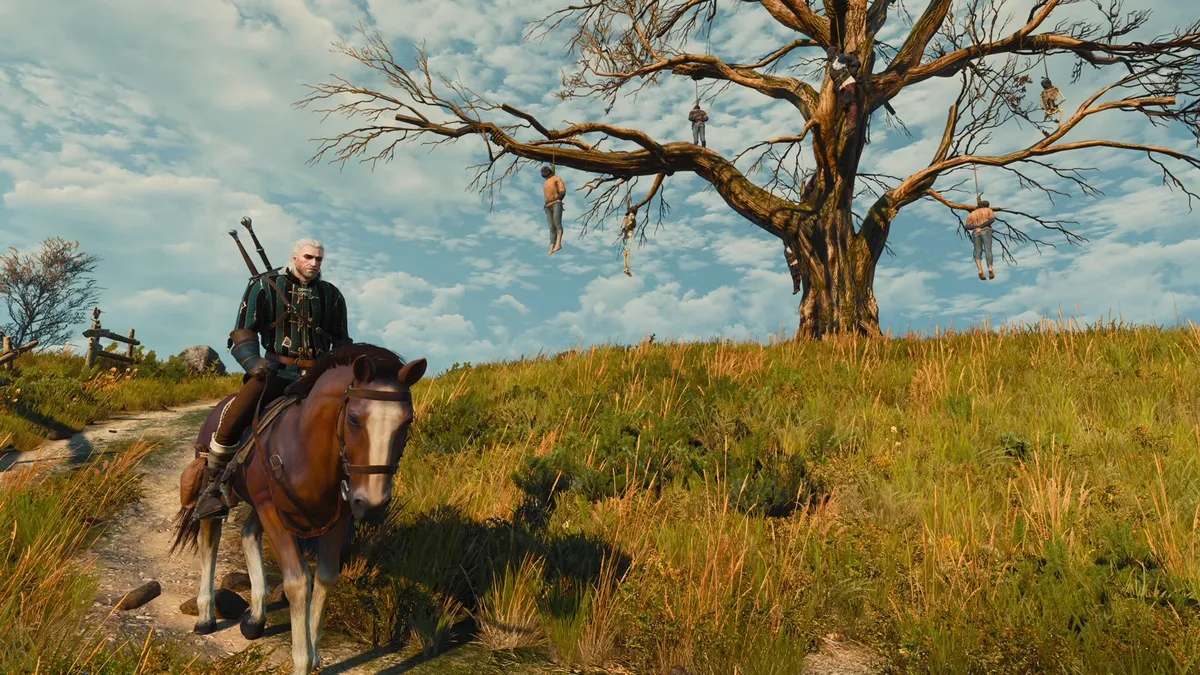
Toss a coin to your Witcher, O valley of plenty! If you've been binge-watching The Witcher on Netflix, you'll want to check out the excellent gaming franchise next. Unfortunately, the first two Witcher titles aren't available on PlayStation platforms, but you can play the biggest and arguably best of the bunch: The Witcher 3: Wild Hunt. (But seriously, if you have a gaming PC, the first two titles are well worth your time even if they're a little dated now)
This game takes place many years after Geralt's adventures in the show. Nilfgaard is waging another war on the Northern Realms, and only Geralt can stop the threat — if he can track down his wayward ward, Ciri, first. With a huge world, tight gameplay and plenty of opportunities to shape the story, The Witcher 3 is one of the very best games of the last decade.
Witcher 3 earned a rave reception at launch for its impressive visuals — which are still remarkable years later — and its vast open world, but the quest writing and compelling characters truly stand above all else. The Witcher 3 is a rare game that will have you agonizing over even the smallest decisions. Plus, its two meaty DLC expansions are absolutely essential and add dozens of new quests, and a whole new explorable region.
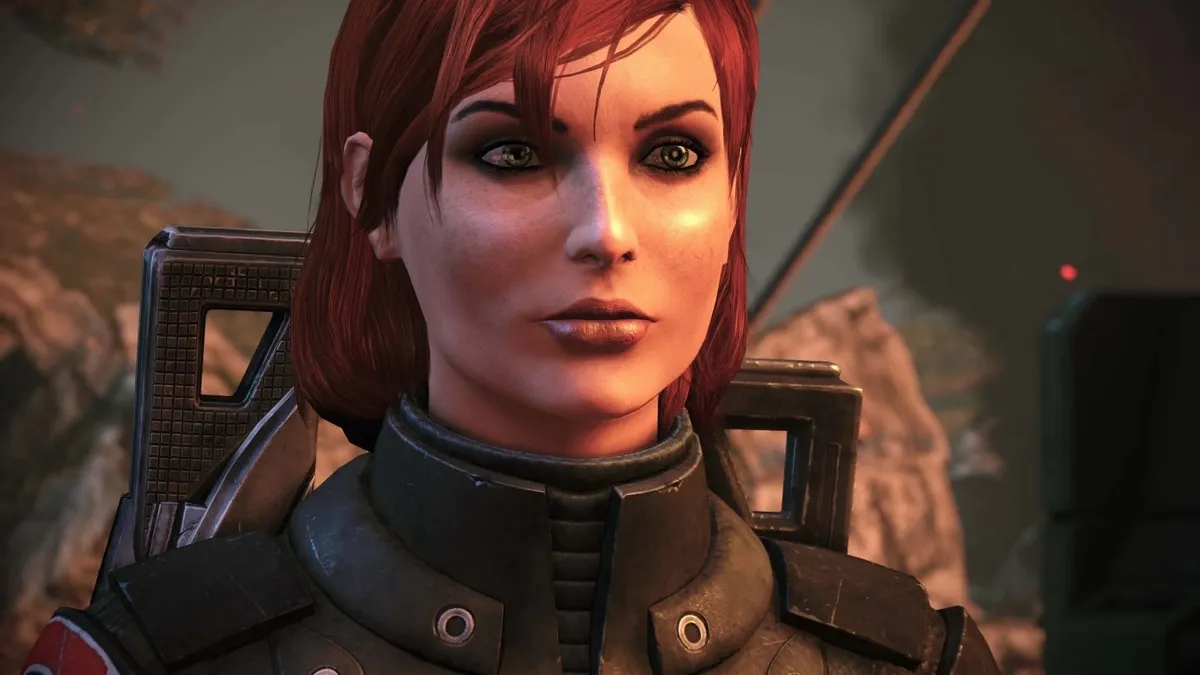
You may have played the games in Mass Effect: Legendary Edition before, but never with this level of polish. This remastered collection includes Mass Effect, Mass Effect 2 and Mass Effect 3, as well as almost all of their associated DLC packs. (Pinnacle Station for the first game seems lost to the caprices of time, but everything else is present and accounted for.) If you've never played the Mass Effect games before, now is the perfect time to start — and if you have, this is a good excuse to revisit them.
For those who aren't familiar with Mass Effect, it's a trilogy of sci-fi RPGs from BioWare. You customize a military hero called Commander Shepard, then recruit a team of human and alien experts from all around the galaxy. Together, you take on a race of synthetic organisms called the Reapers, intent on wiping out all sentient life in the Milky Way galaxy. How the story goes is largely up to you, depending on whether you want to play as a rule-abiding Paragon, or a vigilante Renegade.
Read our full Mass Effect: Legendary Edition review.

Spider-Man games are always pretty good . Even the bad ones have a degree of fun factor that makes them are least worth a spin. But Marvel's Spider-Man is truly the wall-crawler's best video gaming effort to date (or at least, it was until the PS5-locked sequel, Marvel's Spider-Man 2, arrived last year).
Not only does Marvel's Spider-Man pack a huge, open-world recreation of New York City (complete with loads of landmarks both real and from the Marvel universe), but moving through the dense streets and towering skyscrapers has never been more of a joy thanks to an easy-to-pick-up web-swinging system.
The combat is also highly cinematic allowing you to zip between enemies, dishing out additional damage thanks to your arsenal of inventive gadgets. Playing as Spider-Man isn't just a joy either, the original story is a treat too. It includes major characters like Mary Jane Watson, Kingpin and Norman Osborn, and tells an emotional arc that puts Peter Parker in some tough spots. Marvel's Spider-Man is easily the best superhero game on the PS4.
Read our full Marvel's Spider-Man review.

When it comes to RPGs, there simply isn't anything else out there like Persona 5. From its gorgeous anime cutscenes to its smooth, jazzy soundtrack or even little things like the in-game UI and battle menus, Persona 5 is dripping with style. Unlike a lot of other RPGs stuck in fantasyland, Persona 5 is set in contemporary Japan with all the trappings of modern society, and its story is exquisitely crafted too. And with Persona 5 only available on PS4 and PS3. this game is an exclusive treat that PlayStation owners would be foolish to ignore.
More recently, Atlus released Persona 5 Royal: a slightly updated version of Persona 5 with smoother gameplay and a few additional challenges to tackle. If you’re a newcomer, Persona 5 Royal is arguably the version to get — and if you’re a veteran, you may want to check it out to see what’s changed.
Read our full Persona 5 review.
Best PS4 games for families

If you and your co-players are feeling restless, it might be time to Just Dance. Take turns or as a troupe of up to six dancer to forty new and recent tracks, including 8 targeted specifically for younger players. All you need is a smartphone to act as your motion tracker, so the game can ensure you're nailing the choreography.
If that's not enough content for you, you can subscribe to Just Dance Unlimited for a monthly or annual fee, letting you access the series' full 600-song library. That should be more than enough to keep the family engaged and moving for hours to come.
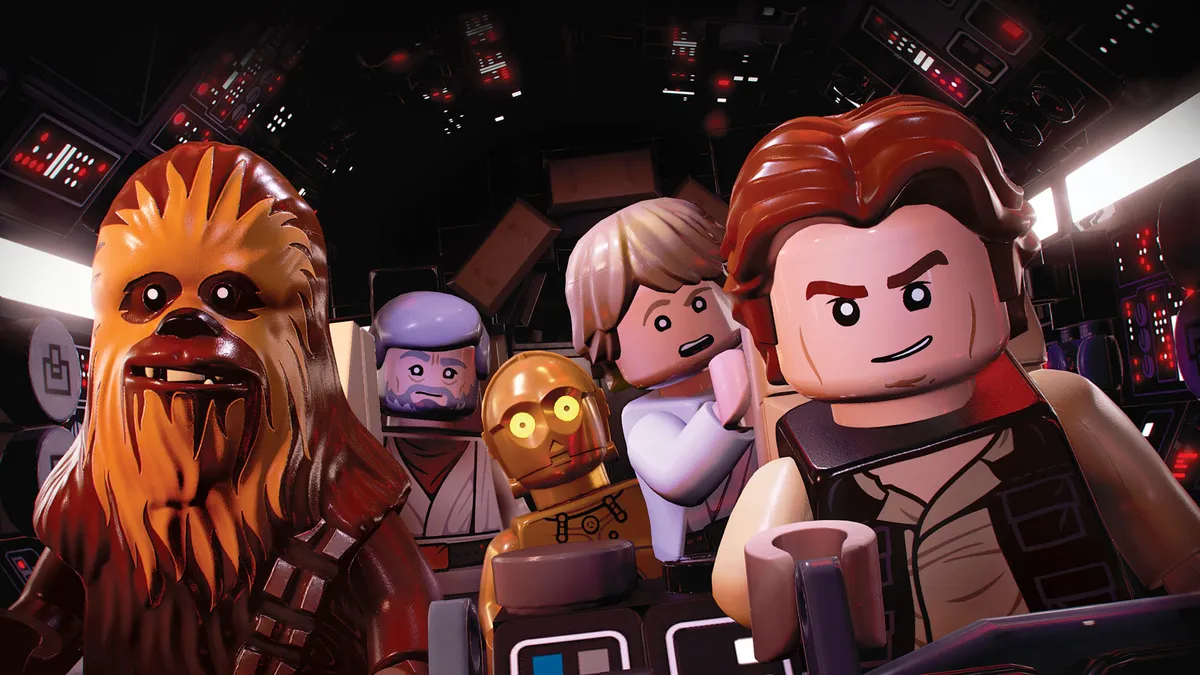
Lego Star Wars: The Skywalker Saga is pretty much the ultimate video game set in a galaxy far, far away. It covers the entirety of the mainline Skywalker Saga — the original trilogy, the prequel trilogy and the latest sequel trilogy — and lets you visit dozens of iconic locations as well as play as hundreds of familiar characters. The playable roster ranges from legends like Han Solo and Obi-Wan Kenobi to more obscure ones such as Salacious Crumb.
As is tradition with Lego games, the events of the nine movies have been reworked to fit the more jaunty family-friendly tone of a Lego game. And you can play through the full game in co-op. The Skywalker Saga also offers excellent value for money as it's rich with content and will take you dozens of hours to see everything. It's perfect for Star Wars fans both young and old.
Read our full Lego Star Wars: The Skywalker Saga review.

This co-op title runs the gamut when it comes to different game modes and tasks for the two players to complete in harmony together. You'll find yourself snowboarding, flying, exploring and puzzling as you play two a married couple trapped as doll versions of themselves, trying to find their real bodies again.
If you and your family are apart right now, you can actually play co-op online without buying two copies of the game. Just download the "Friend Pass" and you can join in for free.
Just be warned that the story's plot revolves around a divorcing couple, and has a T rating, so it's not going to be appropriate for players of all ages. There are definitely a few jokes and one surprisingly brutal scene that aren't for young gamers.

Unravel Two mixes a pair of adorable protagonists, a red 'Yarny' and a blue one, with a blend of challenge and beautiful storytelling. Players unravel their Yarnies, controlling either both at once or a single one with a co-op partner taking the other, to solve puzzles, avoid enemies and navigate obstructions in the environment. The same goes for the background story too - there being a second set of characters and events going on behind you as the Yarnies travel forward, with interesting parallels between your experience and that of the two children you keep seeing but never meet.
It's not the longest game out there, but it's challenging enough for adults and older kids while being cute enough to keep younger children in awe, with a wholesome message about working together to overcome any obstacle in your way.

Even if your family won't help you out in the kitchen, they'll love the crazy cooking game of Overcooked. This is a party game that lets up to four players try to cook a meal (and wash up as well) in various kitchens around the world. A team effort can create a meal fit for a king, but you could also end up burning all your ingredients before you get a chance to get started.
You'll need good communication to face the challenges ahead of you, as no one player can do everything in the kitchen without running out of time. Plus with different meal orders coming in and parts of the environment changing and moving, it'll be a great achievement to get through the whole game, let alone score three stars on each one.

Rocket League is downright addictive, and it will bring out the competitive side of your family. The popular multiplayer game combines cars with soccer on a giant pitch, using turbo boosts and fancy steering to guide the ball into your opponent's goal. If that doesn't sound exciting enough, then the game offers a huge number of 'mutators' that will change parts of the game in different ways, like changing the physics to turn this soccer-like game into one more like ice hockey or basketball.
It's an easy concept to understand but takes time to fully master, so it's great if you want a new digital hobby or just want to quickly set up a 'pick up' game between first-time players who want to try it out. Up to four players can play together with split-screen multiplayer, so everyone can play together and score goals in fast and furious ways.
Best PS4 games for kids

Don't let the abysmal film spoil your enjoyment of the game. Ratchet & Clank (2016) reboots the classic platformer series in style, pitting intergalactic adventurers Ratchet and Clank against the nefarious Chairman Drek and his planet-destroying weapon. No, this game doesn’t continue the excellent, ongoing space opera that the previous Ratchet & Clank games set up, but it’s an excellent place for newcomers to start.
With tight controls, a variety of goofy weaponry and a thoroughly enjoyable story, Ratchet & Clank is a perfect entry point for both kid and adult newcomers to the series. From ray guns, to rocket launchers, to weaponized disco balls that make everyone dance, the weapon variety alone is enough to carry the game. Ratchet & Clank is also a Sony exclusive, meaning that it's one of the best kids games on the PS4.

Minecraft is a game that needs no introduction. If your child loves commandeering your phone to build their own blocky utopia, think how much happier they’ll be when they have a whole big screen to explore. (And how much happier you’ll be to have your device back.)
For those who have never tried it, Minecraft is a creative simulation game in which players explore a pixelated fantasy world, forage for resources, and use what they find to build spectacular structures. It’s sort of like a digital version of playing with Legos — if you could use Legos to build life-size castles.

You might remember Sackboy from the Little Big Planet series of 2D platform games. Now you can take this textile hero out into the third dimension in his new cross-generation game.
Sackboy has a lot more moves and gadgets to use this time around, resulting in some deeper 3D platforming gameplay as you make your way through the levels searching for all the collectibles. The whole game works with up to 4 co-op too, and includes some unique levels you won't see in single-player, making for even more fun if you've got friends or family next to you.
It's among the best PS4 family games, but it's also available on the PS5 if you've happened to upgrade already. If that's not happened yet, then you can get both versions for free with a single purchase of the digital edition.

Crash Bandicoot is a PlayStation icon you're likely to remember from your days gaming as a kid. And you can do the same for your family with the Crash Bandicoot N. Sane Trilogy. It gathers the three games in the series into one collection optimized for the PS4.
While it's a straightforward introduction to the world of Crash Bandicoot, do bear in mind the games can be rather challenging, So it may be good to be on hand to help a struggling child, partner or extended family member through some tricky parts; just be warned you could find them tricky yourself. But the bright, colorful and fun action, with some zany humor mixed in for good measure, should keep everyone entertained even if it's not their turn on the the controller.

Kids love racing games; kids also love die-cast cars. Hot Wheels Unleashed combines these two venerable pastimes with a fast-paced arcade racer that can get surprisingly deep. You can race against other toy cars; you can build up your skills in a single-player campaign mode; you can test your speed in time trials; you can even build your own levels, thanks to a robust track editor.
Hot Wheels Unleashed has 60 playable cars, and since it’s based on a real toy line, some of your child’s favorites might be present. With split-screen multiplayer, parents can also take the wheel.
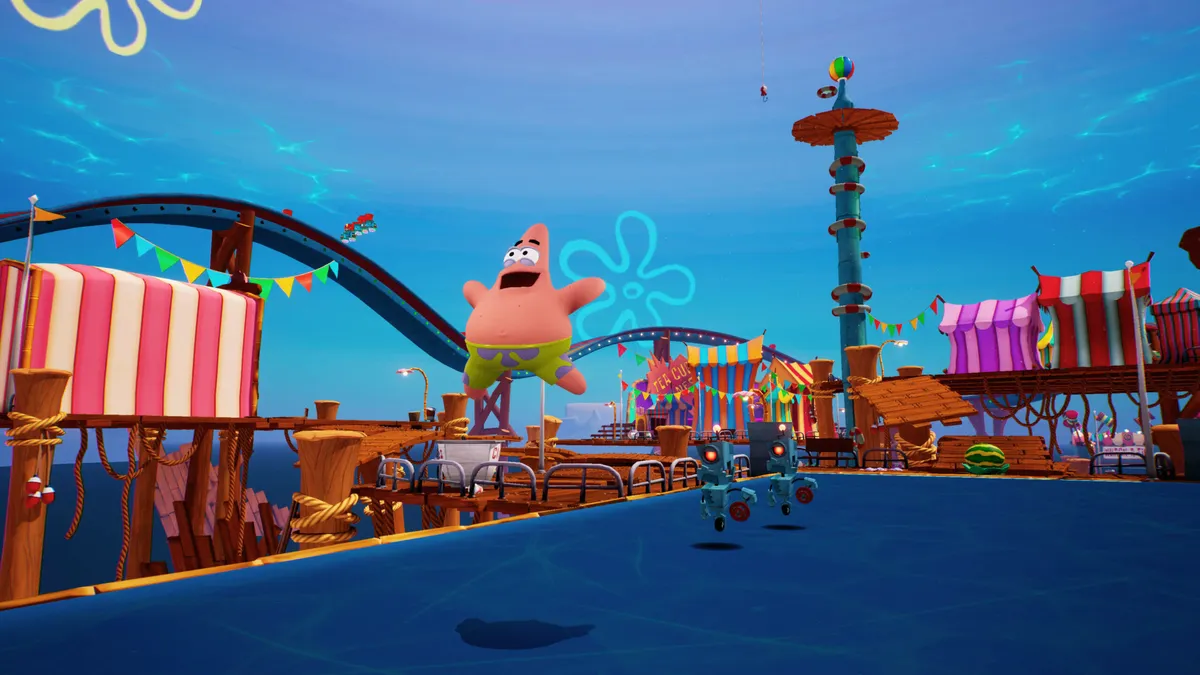
For the record, SpongeBob Squarepants was a little after my time. That’s why I was impressed when I went hands-on with SpongeBob Squarepants: Battle for Bikini Bottom Rehydrated and found it to be a perfectly good platformer on its own merits. If your kids like SpongeBob to begin with, then it’s probably an even better experience.
In this 3D action game, you take control of the titular sponge, who leaps around various levels, collecting trinkets and fighting off simple foes and the occasional boss. If you played this one back in the day, you’ll be pleased to know it’s still fun.
How to choose the best PS4 game for you
There’s no special trick to selecting the best games on the PS4. It all comes down to which genres you like the most. A lot of these games skew toward the action/adventure genre, including God of War, Horizon Zero Dawn, Ratchet & Clank and Spider-Man. Many of these games have open-world elements; others are more linear. Either way, if you pick up a first-party, third-person game, you’re almost guaranteed to get something good.
Beyond that, there’s no foolproof method or special tricks. Find a game that sounds interesting, read its synopsis, find some reviews and see if you can get a good price. Newer games are more expensive than old ones, which means that if you haven’t played many of these games before, you can build your library easily by focusing on older titles. Or you could buy long games, which will last you a while before you need to move on. Open-world games are generally longer than their linear counterparts.