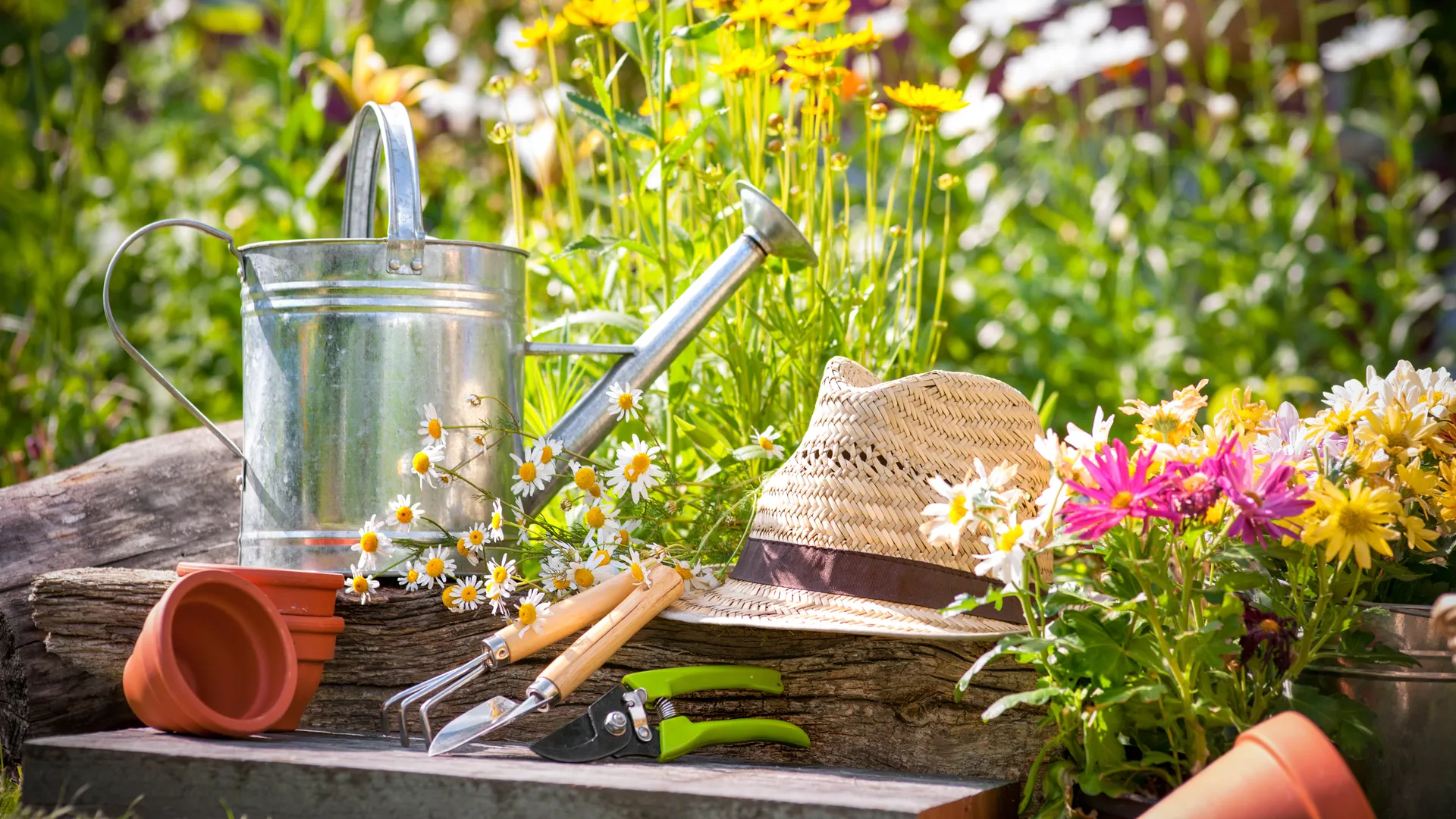
There's something wonderfully reassuring about gardening methods that have survived centuries. While modern gadgets and chemicals promise quick fixes, the approaches our grandparents relied on still deliver.
These techniques are rooted in a deep, intuitive understanding of how a garden actually grows. It is practical knowledge, proven generation after generation, that creates a truly resilient and beautiful plot.
Here are seven timeless rules worth bringing back to your garden.
1. Stagger your plantings
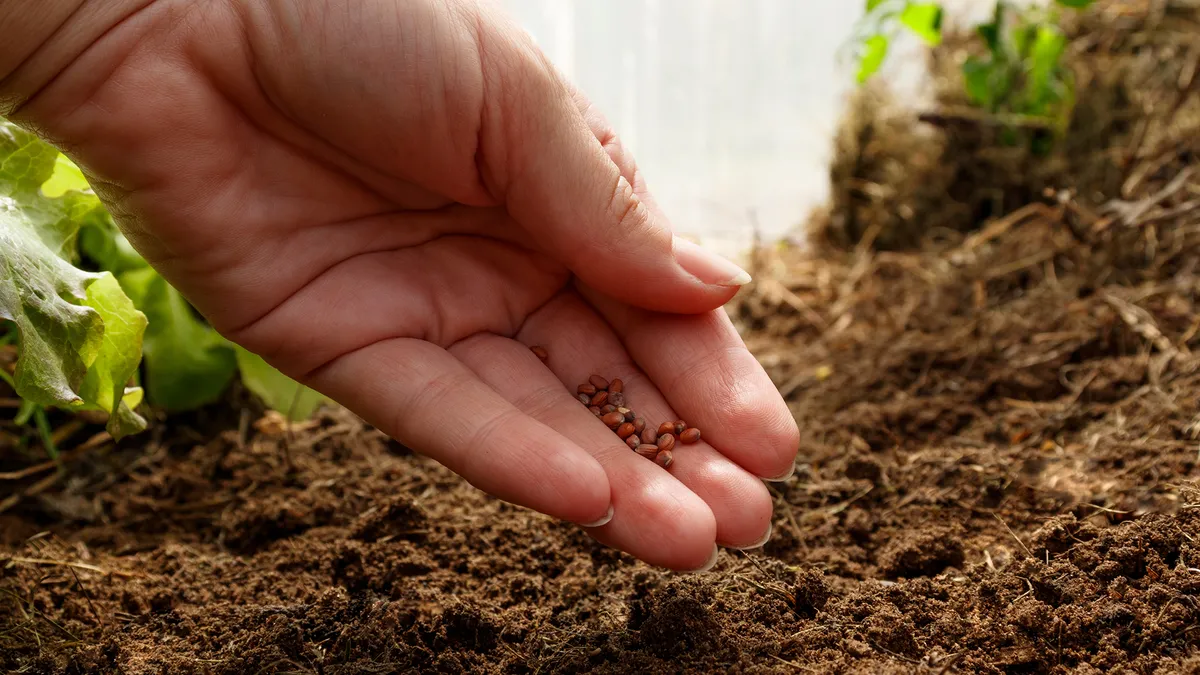
Rather than sowing everything at once, plant new seeds every 2-3 weeks throughout the growing season. This approach transforms how much you harvest. Instead of one overwhelming glut of lettuce, beans, or carrots followed by months with nothing, you get continuous pickings from spring through fall.
You're not planting more total seeds or expanding garden space; you're just timing plantings strategically so mature crops overlap. The result is fresh vegetables available to pick for weeks longer than gardeners who dump everything in the ground simultaneously.
2. Direct water to the roots, not the leaves

Watering foliage wastes water and encourages fungal disease. The smart approach is watering at soil level and directing moisture straight to the root zone where plants actually absorb it. This minimizes waste, ensures efficient hydration, and reduces disease risk significantly.
During hot weather, consistent root-level watering prevents the stress that damages productivity. Your plants use less water and stay healthier because you're delivering it where it's needed rather than hoping it soaks in from above.
3. Let autumn leaves become natural mulch

When fall arrives, resist the urge to rake everything away. Those fallen leaves become protective mulch that shields soil from harsh winter cold while maintaining consistent moisture levels. This keeps roots healthier and helps plants emerge stronger in spring.
Beyond winter protection, fallen leaves create habitat for beneficial insects. If you want fireflies dancing through your garden come summer, leave the leaves undisturbed from November through June. These insects need that shelter to overwinter and emerge when warmth returns.
4. Collect and save seeds

This is how gardeners have improved their gardens for centuries without spending a dime. When your healthiest, most productive plants flower and set seed, allow them to mature completely. Collect the seed pods, dry them thoroughly, extract the seeds, and store them in a cool, dry place through winter.
Next spring, you're planting varieties you know perform perfectly in your specific garden. You're maintaining plants adapted to your exact soil and climate — something no store-bought seed ever guarantees. This costs nothing and connects you directly to gardening heritage.
5. Mix flowers and vegetables in the same beds

Marigolds, zinnias, and petunias serve double duty — they're beautiful and functional. These flowers are fantastic companion plants that attract pollinators and beneficial insects that help vegetables thrive. They create a working ecosystem where nature handles much of the pest management without chemical intervention.
6. Don't panic over a single yellow leaf
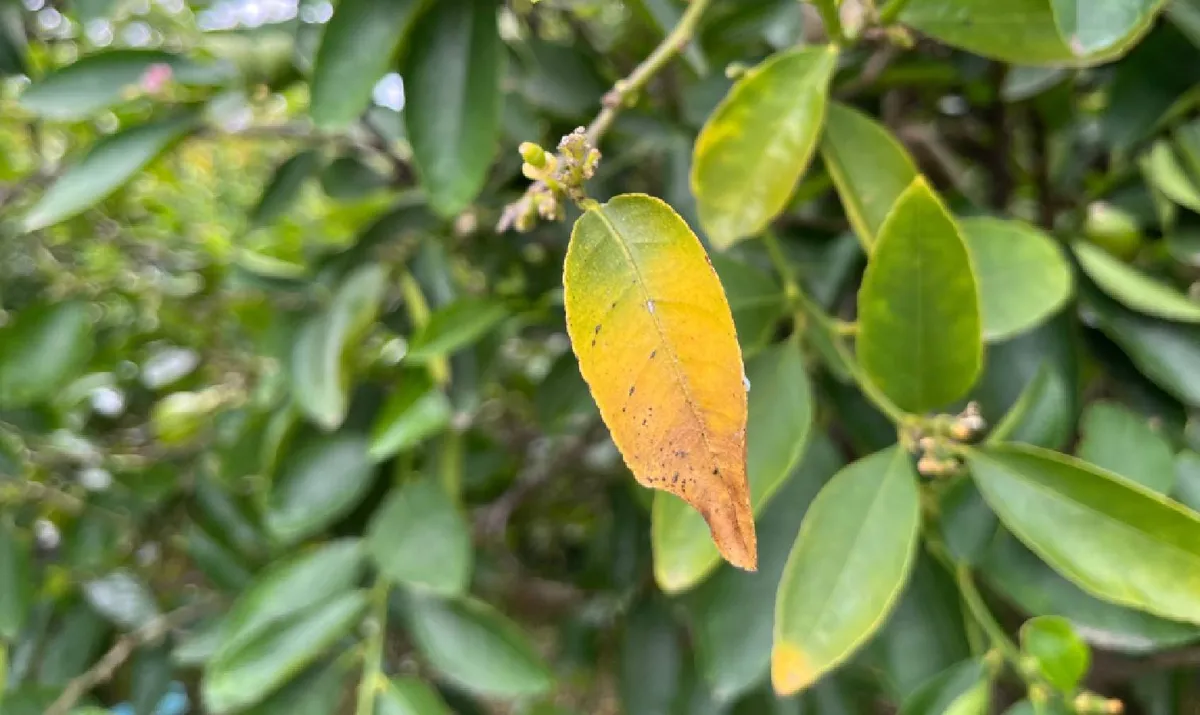
Before diagnosing plant problems, step back and assess the entire picture. A single yellow leaf doesn't signal disaster. Plants naturally shed older growth as they transition between seasons and growth stages. What looks like trouble is often simply the plant doing its job, making room for vigorous new growth.
Look for multiple actual signs of decline rather than reacting to isolated changes. Plants move through different phases, and minor adjustments are completely normal.
7. Wait for dry weather before pruning

Rain carries mold spores, and fresh pruning cuts create open wounds where fungal infections can enter and spread through the entire plant. If you want to work in wet conditions, focus on planting or weeding instead. Save pruning for dry days when wounds can seal naturally.
What’s the single best piece of gardening wisdom you've learned? Maybe it's a quirky trick for sweeter tomatoes, a natural pest remedy, or a simple rule for reading the weather. Tell us in the comments below!

Follow Tom's Guide on Google News and add us as a preferred source to get our up-to-date news, analysis, and reviews in your feeds. Subscribe to Tom's Guide on YouTube and follow Tom's Guide Entertainment on TikTok and Instagram.
More from Tom's Guide