OnePlus has confirmed what many of us already knew was coming: it will no longer operate in the United States, the United Kingdom, or Europe. Despite initial denials, the company announced today it's ceasing global operations so its sister brand, Oppo, the namesake of its parent company, can become the focus.
"This is not a decision made in a rush," Shuang Chen, head of marketing at OnePlus, told Tom's Guide. "Together with Oppo we spent a long time assessing what our users need from us in 2026.
"It's about knowing when to go all-in and when to make a choice. And OnePlus will continue through Oppo."
Which is fine for Europe and the United Kingdom, but currently Oppo does not sell or ship its products to the United States. Which means there's one fewer Android alternative to devices like Samsung's Galaxy or Google's Pixel.
According to Chen, all service commitments for OnePlus will remain unchanged — so if you've recently bought a OnePlus 15 or still use an older device like the OnePlus 13, you won't suddenly find them unresponsive. However, OxygenOS is going to make way for Oppo's ColorOS in a future update. The OnePlus team was cagey about exactly which handsets will qualify and told me that: "Specific plans regarding system experience will be communicated through official channels in due course."
So while current products will retain support, there won't be any new OnePlus phones, tablets or headphones coming to the U.S. or Europe again. China and India, two of the company's biggest markets, are currently unaffected.
Bloomberg has reported that Indian operations could be shut down at some point next year, but OnePlus has denied this, claiming that it will "operate its business as usual" in the region.
This decision has been a long time coming. In April, OnePlus admitted it was “evaluating its regional roadmap and product strategy.” And when I asked Elvis Zhou, the CEO of Oppo's Europe division, to elaborate on today's news, he said the decision to shutter OnePlus was "not triggered by a single factor."
Over the last couple of months, OnePlus' product stock has dried up, and the company is actively pointing customers to Oppo alternatives.
Here's OnePlus' full statement: "After thorough evaluation, OnePlus has decided to conclude product rollouts in Europe and North America. Existing OnePlus devices will keep getting the software updates, security patches, and after-sales support. Our customer service channels remain open and responsive in accordance with our standard warranty and support obligations. Your rights under applicable consumer protection laws remain unaffected by this announcement.
"It has been an honor to share this journey with you. Thank you for your trust, your passion, and for being an essential part of the products we have built together."
The decline of the 'flagship killer'

Over the years, I've used many different OnePlus phones and I recall the excitement of the original OnePlus One when it launched with flagship-level specs, an eye-catching design and a price that was less than half what Samsung was charging at the time.
In the U.K., where I'm based, OnePlus took a different approach. The company initially sold the phone directly, via invitation-only system, rather than going through carriers or retailers. It courted tech reviewers and geeks and gained a reputation through word of mouth and some clever social media marketing.
As the phones progressed, OnePlus continued to match (and often surpass) the likes of Apple and Samsung when it came to specs whilst still keeping costs down. The brand expanded into accessories like the OnePlus Buds Pro 3 earbuds and OnePlus Tab 3 in search of an ecosystem. Along the way, a partnership with Hasselblad helped to improve the camera performance, and the most recent OnePlus 15 was the first major U.S. flagship phone to come with a silicon-carbon battery.
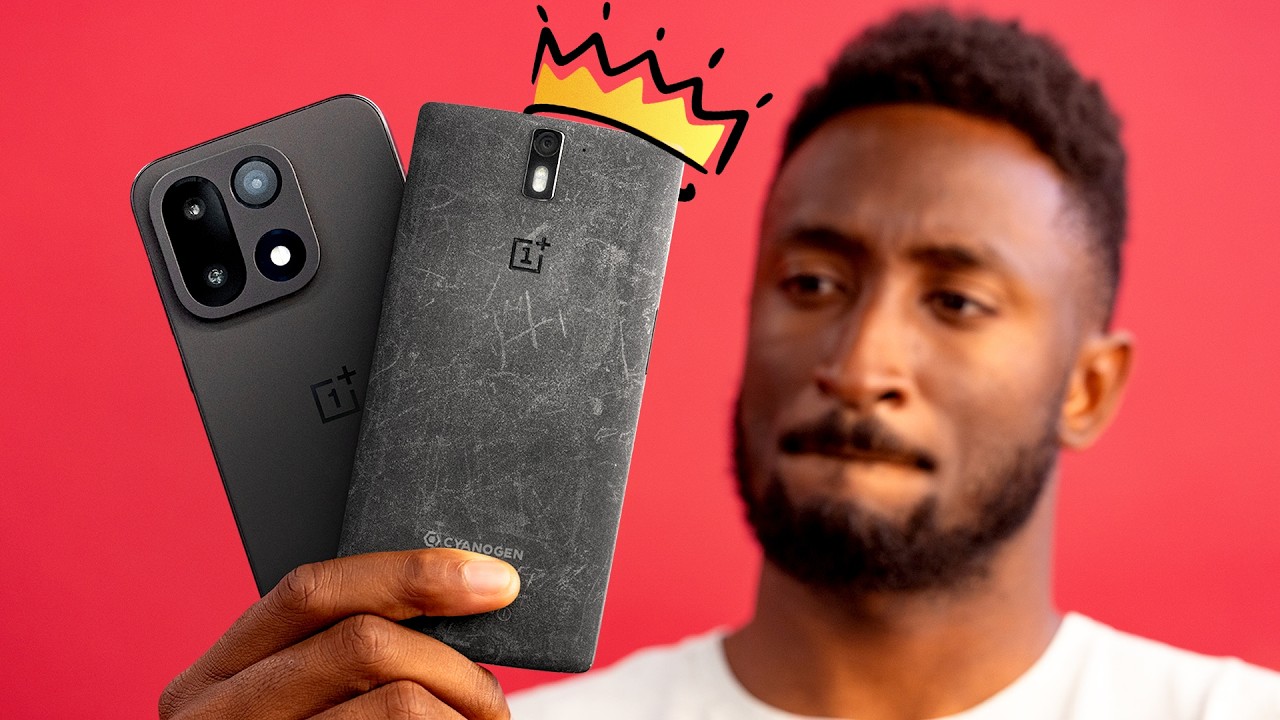
Unfortunately, the plucky underdog status OnePlus enjoyed in the early years gradually gave way to a set of homogeneous phone releases with ever-increasing prices and design decisions that copied the iPhone to an embarrassing degree. Marques Brownlee summed it up nicely several months ago in a video about the arc of OnePlus that I'd recommend watching if you're interested in this story.
Continuing in China
While OnePlus will no longer appear in the U.S. or Europe, the brand is set to continue in China. Meanwhile, realme (Oppo's other smartphone brand) will attempt to fill the gap.
“To further consolidate resources and enhance global product strategy synergy, realme will focus on overseas markets and no longer launch new products in China," Oppo said in a statement.
"OnePlus’ product roadmap in China remains unchanged. Both realme and OnePlus will continue to deliver premium gaming and performance experiences to users.”

Follow Tom's Guide on Google News and add us as a preferred source to get our up-to-date news, analysis, and reviews in your feeds.
More from Tom's Guide