There's nothing quite like climbing into bed when your sheets are freshly laundered... but wait, what's that horrible smell? If you've ever washed your sheets only to be met with a musty, sour odor when you come to make your bed, you're not alone.
According to experts, the unpleasant, urine-like stench is a result of a common mistake made during the drying process. And, as infection prevention expert Dr. Shanina C. Knighton, PhD, RN, CIC points out, there's a particular fabric that often falls foul to the so-called 'permastink.'
Below, Dr. Knighton digs into why your not-quite dry bed sheets can smell so stinky, plus how to fix it.
- Time for a refresh? Check out our guide to the best bed sheets for our top tested picks.
Why freshly washed bed sheets smell sour

According to Dr. Knighton, the unpleasant smell you sometimes find in your freshly laundered bedding comes from bacteria that multiplies when your sheets haven't quite dried properly.
"Washing removes most soil, but it does not sterilize, so a small number of bacteria survive every cycle," explains Dr. Knighton.
"When sheets sit damp, those survivors have everything they need: moisture, warmth, darkness and food in the form of skin oils, sweat and detergent residue left in the fibers."
As bacteria break down sweat and skin waste on bedding, they can release ammonia and the compound they produce sits in the same odor family as urine and stale sweat
Dr. Shanina C. Knighton, PhD, RN, CIC
Whether they've been sat in the drum of your washing machine too long, hung on the clothes line on a humid day, or were folded and put away prematurely, damp bed sheets become a breeding ground for bacteria.
"As an infection preventionist, I treat damp laundry the same way I treat damp hands," explains Dr. Knighton, research associate professor at Case Western Reserve University. "Both become a medium that picks up and transfers germs far more easily than dry surfaces."
Why storing your sheets makes the problem worse

You probably won't notice the smell at first. But once folded and put away, the bacteria that survived the wash cycle begin to multiply on your not-quite-dry bed sheets — and that's when the unpleasant smell starts to build.
"Folding and storing damp sheets makes the problem worse because the layers hold moisture against each other and airflow drops to nearly zero," says Dr. Knighton.
"The smell you notice later comes from the waste products of bacteria that have been feeding and multiplying on the fabric the entire time it sat damp."
But why do my bed sheets smell of pee?
To me, the smell of damp bed sheets has a particularly unpleasant stench, almost like urine. And according Dr. Knighton, there's a very good reason for that.
"The sour smell many know well from an overused towel or washcloth and the mal-odor in laundry share the same source: Moraxella osloensis, a bacterium that lives harmlessly on human skin.
Polyester and polyester blends are the worst offenders
Dr. Shanina C. Knighton, PhD, RN, CIC
"Your nose is not wrong about the urine note. As bacteria break down sweat and skin waste on bedding, they can release ammonia and the compound they produce sits in the same odor family as urine and stale sweat."

How to get your stinky sheets back to their fresh best
Unfortunately, fixing the problem of your smelly sheets isn't as simple as sticking them back in the wash. Once the bacteria sets in, it can be difficult to shift.
"This bacterium is hard to get rid of since it withstands drying, ultraviolet light and even some antimicrobial laundry additives," explains Dr. Knighton.
Below, the doctor shares her top tips to getting your musty bed sheets back to their fresh best, as well as avoiding the issue again.
Clean your washing machine
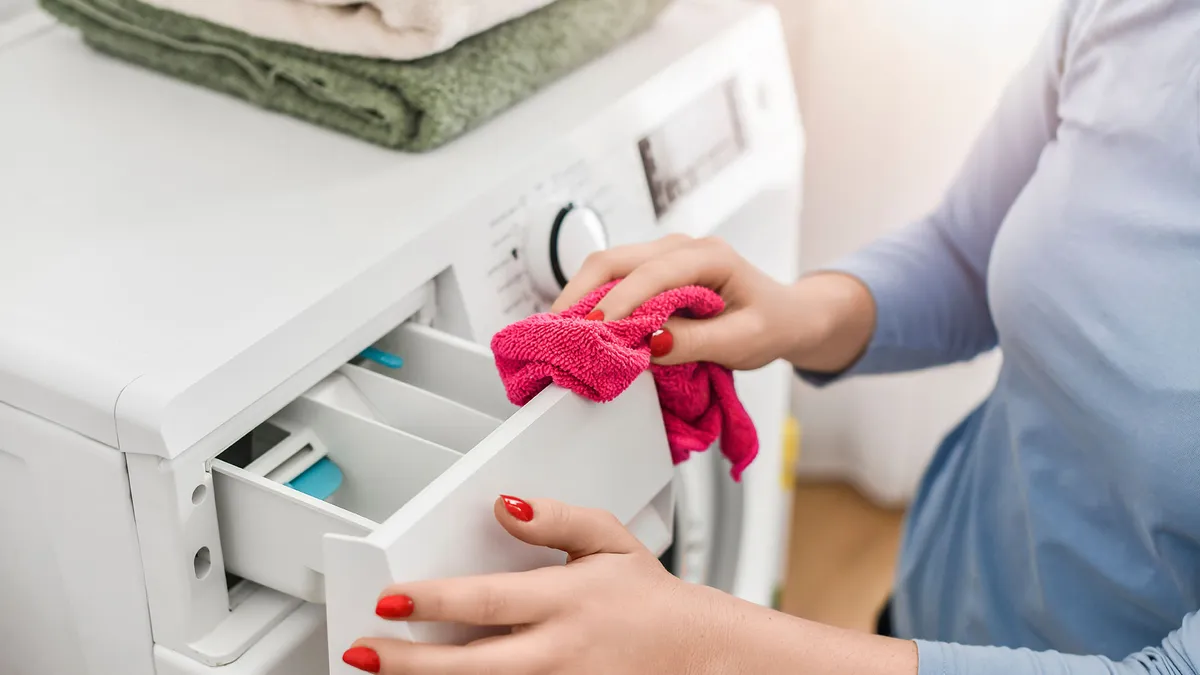
Before you attempt to re-wash your sheets, clean the washing machine itself. If the bacteria lives in your machine, washing your sheets again will only perpetuate the problem.
"If your washer does not have a self-cleaning option you should run an empty cycle with a washing machine cleaner or vinegar," says Dr. Knighton.
"Wipe the door gasket and leave the door and detergent drawer open between loads. Front load machines are notorious for harboring odor-causing bacteria in the gasket."
If possible, launder sheets at a higher temp
Next, wash your sheets in "the warmest water the fabric can tolerate, ideally 130 degrees Fahrenheit or above for cotton sheets, since cool and cold cycles leave more bacteria behind," says Dr. Knighton.
However, always check the care label first. If a higher temperature isn't an option, rinsing with one cup of white vinegar or baking soda can also work to break down the residue feeding the bacteria, advises Dr. Knighton.
Ditch the fabric softener
If your bed sheets smell bad, you might be tempted to be heavy handed with the fabric softener in order to mask the smell — don't, warns Dr. Knighton.
"Skip fabric softener on this recovery wash, because softener coats fibers and can trap residue and odor," the infection prevention specialist explains.
Dry thoroughly (then dry some more)

"Once the cycle ends, move the sheets to the dryer or the line immediately and do not fold them until every part is bone dry, including thick seams and the elastic corners on fitted sheets, which hold moisture longest," says Dr. Knighton.
"I tell people to wait for your items to cool. Sometimes they can seem dry when very warm, but when they cool off they may still be damp."
How to avoid running into the same problem again
✅Ventilate your laundry closet: "Linen closets are often the least ventilated space in a home and sometimes share a wall with a bathroom," says Dr. Knighton.
"Leave a little air space between laundry stacks and avoid storing linens in plastic bins that trap moisture."
❌Avoid synthetic fabrics: "Synthetics are prone [to trapping bacteria] and polyester and polyester blends are the worst offenders," says Dr. Knighton.
"Research shows odor compounds and odor-causing bacteria cling to polyester wash after wash, which is why athletic wear develops what researchers call 'permastink.'"
✅If you can, opt for cotton sheets: "Cotton is more forgiving because it releases oils and odors more readily in the wash," says Dr. Knighton. However, be mindful that heavy percale or flannel sheets can take longer to dry.

Follow Tom's Guide on Google News and add us as a preferred source to get our up-to-date news, analysis, and reviews in your feeds.