




Google acquired Fitbit in 2021 and, in many ways, it seemed like the best Fitbit trackers had reached the end of the road. The Fitbit brand became an app on the Google Pixel Watch and the company has only released two trackers in the half-decade since.
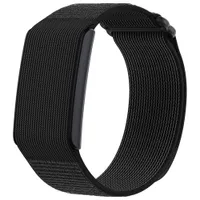
But then, along came the Fitbit Air, a screen-less, pebble-like tracker that you wear inside a wristband. It's like stepping back a decade to when Fitbit focused solely on tracking your activity and sleep; it's fantastic, and the best Fitbit in a long time.
I had written the brand off after the Google acquisition, but the Air made me see the 2023 Fitbit Charge 6 in a new light. Three years after it's release, you can still buy it, and it remains the best Fitbit if you want a smartwatch-like experience in a smaller device.
These two wrist-worn trackers are great at what they do — track your activity, keep tabs on your health and monitor your sleep — but the current range is smaller than the pre-Google Fitbit. So I've also included a few alternatives if you're after some more options.
The best Fitbit fitness trackers you can buy today
Why you can trust Tom's Guide Our writers and editors spend hours analyzing and reviewing products, services, and apps to help find what's best for you. Find out more about how we test, analyze, and rate.
Best Fitbit overall
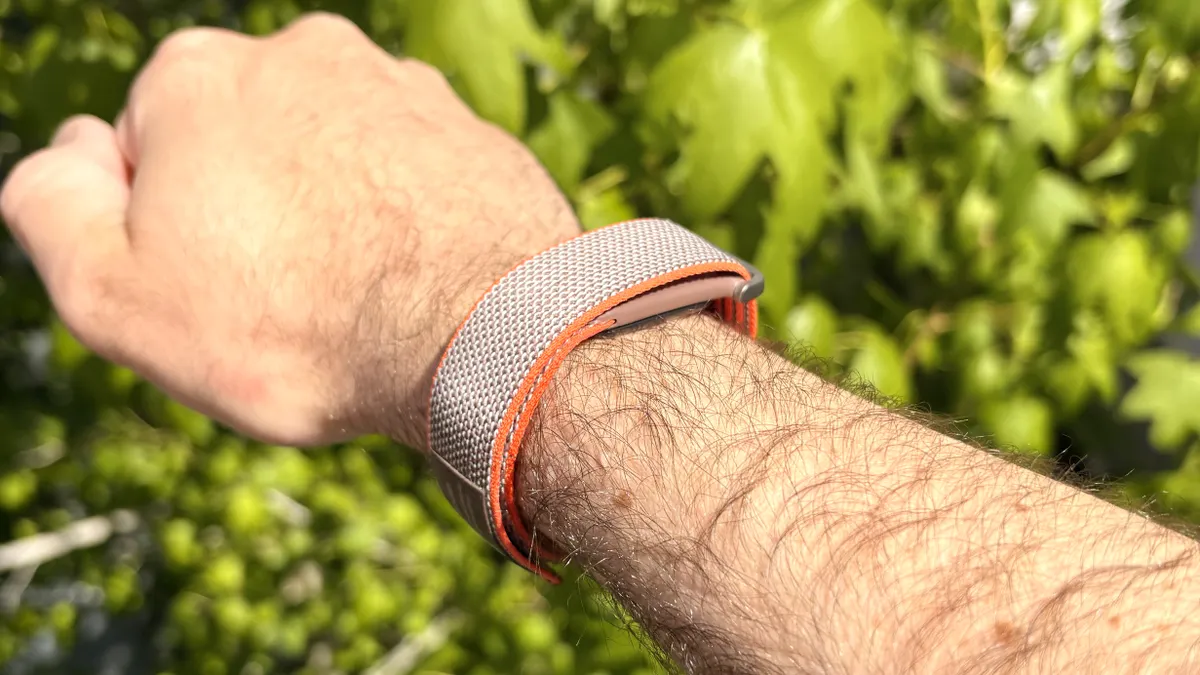

We've got so used to screens on everything that the Fitbit Air is a welcome breath of fresh air. Although it took three years for Google to follow up the Fitbit Charge 6, this is probably the closest to a pure fitness tracker the company has released in a long while.
You don't get a display, contactless payments, or phone notifications. There's no onboard GPS, no music storage and no apps, and that's exactly why it's the best Fitbit out there right now. It's like the brand awoke from a year's long sleep and remembered what made Fitbit a success in the first place; activity tracking.
And that's exactly where the Air excels. Without a screen, it's a small unit that sits underneath a wristband. You never need to look at it, and there's no clear sign you're even wearing a portable bit of tech. We really liked all the different bands you can switch to as well by just slotting the pebble-like tracker in with no fuss.
Although ditching features could feel like a step back, it actually allows the Air to focus on the essentials you need, like activity tracking, heart rate monitoring, blood oxygen reporting and workout recordings. Though, without a GPS tracker, you'll need your phone if you want to record routes for outdoor workouts.
We found that it held up well in activity, heart rate and sleep tracking compared to the Whoop 5.0 (the Air's most obvious competition) and even against more expensive watches from Garmin (like the Forerunner 70). The only downside we found was that it takes 15 minutes to begin auto-tracking some activities.
It is a bit of a full circle moment; the Air is a bit like a tweaked version of the first Fitbit I ever bought, the Fitbit One back in 2013. That was also a pebble-style device that you could put into a clip, with a band for sleep tracking. The One did have a fairly basic screen that would only show you stats, so it is a bit different.
But the Air feels like a step back to that philosophy; something uncomplicated which doesn't need your attention all the time but can track your activity and rest throughout the day. If you want something affordable that focuses on the essentials, then the Fitbit Air is easily the best Fitbit for you right now.
- Read our full Fitbit Air review
Best Fitbit for workouts
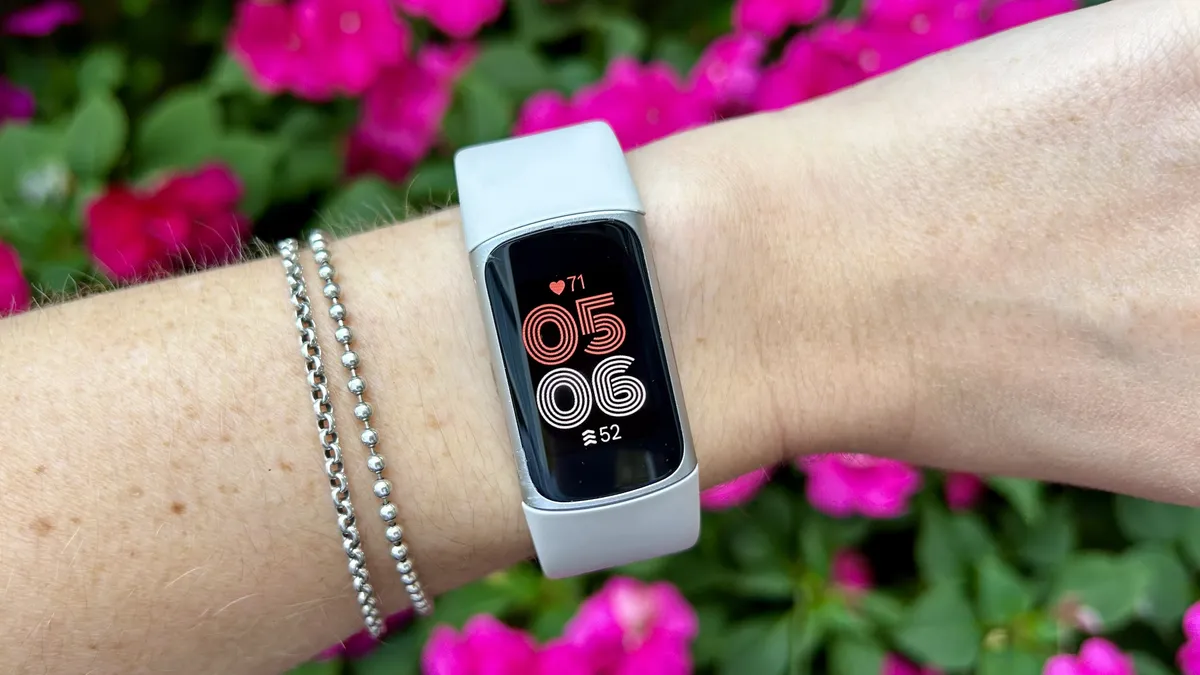
The Fitbit Air is a fantastic option if you want to keep tabs on what you do throughout the day, but if you're looking for a tracker that'll record your workouts and exercise, then the Fitbit Charge 6 is still the best Fitbit for you, even three years after its release.
While the Air can auto-track five activities, you have to manually start a session in the Google Health app for the other 36. The Charge 6, meanwhile, lets you track 40 from the device itself, with 150 options in the app, making it the best Fitbit for workouts.
It has the 'classic' tracker design, as it is roughly the same width as the strap, and a bright, full color AMOLED display that we found easy to see, even in direct sunlight. Though, if you need a larger display, you'd be better off with the Pixel Watch 4.
The Charge 6 has all the same activity tracking tech as the Air, but even more of it, with an ECG for monitoring your heart health (useful) and EDA scans for tracking your stress levels (less useful), along with some smartwatch features too.
Despite the smaller screen, you can access apps like Google Maps, YouTube Music and make contactless payments with Google Wallet. Though, Google did axe its Voice Assistant from the Charge 6 in early 2025, prioritizing the Google Pixel Watch 4.
One of the most important additions in the Charge 6 is the onboard GPS, which means you can leave your phone at home and still track your runs and outdoor workouts. And we also found that the Charge 6 was more accurate than the Garmin Forerunner 165.
- Read our full Fitbit Charge 6 review
Best Fitbit smartwatch

The best Fitbit smartwatch isn't even really a Fitbit. The Google Pixel Watch 4 combines the design and features of Google's flagship smartwatch range with Fitbit's time-tested fitness tracking tools to create the best Fitbit smartwatch... for Android users, that is.
Fitbit devices, like the Charge 6, are so popular because you can use them with either an iPhone or an Android device. The same is not true for the Pixel Watch line. Larger and less discreet than a traditional fitness tracker, but with a much brighter and easier-to-read display, the Pixel Watch 4 comes in two sizes (41mm and 45mm) and with optional cellular connectivity.
Like the Fitbit Charge 6, the Pixel Watch 4 has GPS for location tracking. Unlike the Charge 6, it also has an onboard altimeter for elevation tracking. Workout recovery and training tools are fairly similar between the two Google-produced wearables.
The Pixel Watch 4 also offers more safety tools than the Charge 6, including Loss of Pulse Detection and SOS satellite messaging (only on the cellular Pixel Watch 4 models). For smart features, there's no comparing; the Pixel Watch 4 is the best all-around smartwatch for Android you can buy today.
Despite the larger size, the Pixel Watch 4 can't match the best Fitbit's battery life of nearly a week. The larger 45mm model is good for up to 60 hours, and the 41mm model is rated for 30 hours or more per charge.
Tempted by the Pixel Watch 4 but looking to save some cash? With largely incremental health and fitness improvements over its predecessor, the Pixel Watch 3 may be a better bet.
- Read our full Google Pixel Watch 4 review
Best Fitbit alternative

The Garmin Vivoactive 6 checks all the boxes if you're after the best Fitbit alternative. It offers reliable tracking, a long-lasting battery, and compatibility with both Android and iOS devices. It also tracks 80 workout types and boasts many of Garmin's most useful fitness metrics, like Body Battery (similar to Fitbit's Readiness Score), comprehensive sleep-tracking analysis, and loads of useful training features.
Lightweight and easy-wearing, a responsive and reasonably-sized AMOLED screen adorns the front and is paired with two physical buttons. Like the Fitbit Sense and Versa 4, the Vivoactive 6 has a smattering of handy smart features, including NFC for mobile payments, onboard storage for music, and mirrored smartphone notifications.
There's also onboard GPS for location tracking data, allowing you to leave your smartphone at home, but no altimeter for precise elevation data. Also, while this is one of the more smartwatch-looking devices in the guide, the Vivoactive 6 doesn't come close to offering the selection of third-party apps and communication features as the Pixel Watch 4 or Apple Watch SE 3.
Safety tools are plentiful and include incident detection, which can be set to automatically call for help in the event of a fall or crash. The Vivoactive 6 additionally supports Garmin's LiveTrack feature, which lets you share a real-time location map via a link with trusted loved ones (a paired smartphone with cellular is required).
- Read our full Garmin Vivoactive 6 review
Best Fitbit alternative for iPhone

The Apple Watch SE 3 is the best Fitbit alternative for iPhone users, assuming you prefer something more smartwatch-like to something more tracker-esque. Pricier and bulkier than our best Fitbit pick, the SE 3 is just as competent a fitness tracker as the Fitbit Charge 6, while offering way more smart and connectivity features.
The tradeoff is battery life. While the Charge 6 is good for roughly a week per charge, the Apple Watch SE 3 barely makes it through a single day. That said, an onboard altimeter provides elevation tracking data, something you won't get from the Charge 6.
The SE 3 comes in 40mm or 44mm with a reasonably bright and responsive touchscreen paired with two physical controls, making it a pleasure to navigate. You also get more safety features from the SE 3 than you'll find on the Charge 6, including fall and crash detection.
Finally, the Apple Watch SE 3 offers similar holistic and sleep tracking insights to the best Fitbit. However, unlike the Charge 6, the SE 3 additionally supports FDA-approved sleep apnea alerts.
- Read our Apple Watch SE 3 review
Best cheap Fitbit alternative

Amazfit has carved out a niche in the affordable wearables category, and the sub-$50 Amazfit Band 7 is easily the best cheap Fitbit alternative thanks to its delightfully high-quality design, support for an enormous range of physical activities, outstanding battery life and compatibility with both Android and iOS smartphones.
Heck, the Band 7 even boasts impressive sleep-tracking insights, mind you, they're not as detailed as Garmin's or Google's. It also sports an onboard blood oxygen sensor and has alerts for abnormally high/low heart rates, along with some handy stress-tracking tools.
Battery life is good for a whopping 28 days (seemingly enough to survive a zombie apocalypse), the best of any device in this roundup.
However, similar to the Fitbit Inspire 3, there's no onboard GPS, which means you'll need to carry your paired smartphone when working out for location and pace data. Smart features are also limited (though it does offer voice support for Amazon Alexa).
Is the Amazfit Band 7 as accurate at fitness tracking as the slightly pricier Fitbit Inspire 3 or Charge 6? Probably not. Still, for a device priced less than a night out on the town, it's got a lot going for it.
- Read our full Amazfit Band 7 review
Also consider
How we test the best Fitbits
We've been testing Fitbits for over a decade, starting with the diminutive Fitbit Flex back in 2014. As the years have passed, the brand's wearables transitioned from basic (but convenient) step counters to smartwatch-esque devices.
So the way we tested the best Fitbits has changed over the years, too. It was once enough to strap them to our wrists, check they were comfortable, and see how accurate the pedometer was.
These are still some of the most important areas we look at, but now we wear them overnight to experiment with the sleep tracking features and check that they don't break when exposed to some sweat, rain or other moisture.
A crucial factor is the battery life, looking at how each device compares to Google's quoted battery specs. This is also a factor in how we rank and compare Fitbit devices. But so are the fitness features.
We try the automatic workout-tracking, manually start sessions, and take the devices outdoors to see how the GPS performs. We often compare the results against other Fitbit devices, and, in some cases, the best smartwatches.
FAQs
Is it still worth buying a Fitbit?
Google acquired Fitbit in 2021 and has made some substantial changes to the lineup and experience. The app was redesigned, challenges were removed, you now need a Google login to sign into the app, and the Fitbit web dashboard is no more.
The search giant also removed features from the Versa 4 and Sense 2 watches, making them exclusive to Google Pixel Watch models instead. Then, in 2024, the company released the Pixel Watch 3, "powered by Fitbit."
More recently, Google ended support for Google Voice Assistant on the Versa and Sense lines in early 2025. Then, in May 2026, the Fitbit app became the Google Health app, and Fitbit Premium became Google Health Premium.
From what we've seen so far, Google views Fitbit as a software service more than a hardware brand. Over the next few years, it's likely that we'll see fewer Fitbit devices and more Fitbit features in Google-branded products.
So it's a complicated picture, and to some, it seems like Google is slowly killing Fitbit. But this is more of a long-term problem. Right now, you can still buy a Fitbit (or Pixel Watch) and access the brand's sleep, fitness, and health tracking features on comfortable, and (mostly) affordable devices.

