For the past few years, the AI conversation has been dominated by one question: Which chatbot is best? Here at Tom's Guide we put the top bots through AI Madness earlier this year and every time a new model launches, I just have to test it against the competition to restart the same debate.
But after searching through recent Reddit threads about AI, I noticed something more interesting. The most useful conversations weren’t really about which chatbot is “best” anymore. They were about which chatbot is best for a specific job.
Among those threads, a conversation about which AI tool is actually worth paying for in 2026, with the original poster listing ChatGPT, Claude, Gemini, Copilot and Perplexity as options for day-to-day use. The replies quickly moved beyond brand loyalty and into use cases, with users comparing writing, coding, research and daily productivity.
These threads reflect how AI is starting to work in real life. For many people, the answer isn’t choosing one chatbot. It’s building a small AI team.
Users are moving past the chatbot wars
In one r/ClaudeAI thread, a user tested the same prompts across ChatGPT, Claude and Gemini, then came away with a rough mental model: ChatGPT as the reliable generalist, Claude as stronger for thoughtful writing and complex work and Gemini as most useful for people already living inside Google Workspace.
And while that may sound like one person's opinion, it actually aligns with a broader pattern. A 2026 study of 388 active AI chat users found that more than 80% use two or more AI platforms. The study also found that users often treat these tools as interchangeable utilities rather than locked-in ecosystems, with different platforms attracting users for different reasons.
In other words, the “winner-take-all” version of the chatbot wars may not be how people actually use AI anymore. Right now, the smartest users aren't the ones asking, “Which AI should replace all the others?” They are asking, “Which AI should I use for this?”
This aligns with the “top 1%” way of using AI that I've adopted myself. It seems like the new expert level AI flow is giving every chatbot a job, which is genuinely more practical.
Instead of using one chatbot for everything, the pattern is starting to look more like this:
- ChatGPT becomes the everyday generalist — the tool for quick answers, brainstorming, image analysis, voice, planning and anything that needs to move fast.
- Claude becomes the thinking and writing partner — the place users go for longer context, cleaner prose, nuanced feedback and more structured reasoning.
- Gemini becomes the Google-connected assistant — strongest when the task touches Gmail, Docs, Search, YouTube or a broader Google workflow.
- Perplexity becomes the research shortcut — useful when users want sourced answers quickly instead of a conversational back-and-forth.
- Local AI becomes the privacy lane — not necessarily for everyone, but increasingly interesting for people who want more control over their data.
Finding a balance between cloud AI and local AI
That last point came up in r/LocalLLaMA, where users debated whether 2026 is the year local AI becomes more mainstream. The thread highlighted both sides of the equation: local-first AI makes sense for privacy-sensitive and low-latency tasks, but hardware cost and setup complexity are still major barriers.
As AI usage is now more mainstream than ever, there's a tension around AI right now. These tools are powerful enough to feel useful every day, but different enough that choosing just one may actually limit what you can do.
According to Edison Research at SSRS, 52% of Americans were using AI platforms weekly as of February 2026. The same data found ChatGPT was the most-used platform, followed by Gemini and Copilot.
Harvard Business Review also recently reported that people are adopting generative AI across an expanding range of use cases, from productivity and coding to advice, learning and everyday problem-solving.
That helps explain why the old “best chatbot” framing feels too small. Once AI becomes a habit, users treat it like an infrastructure.
Knowing the best AI for the job
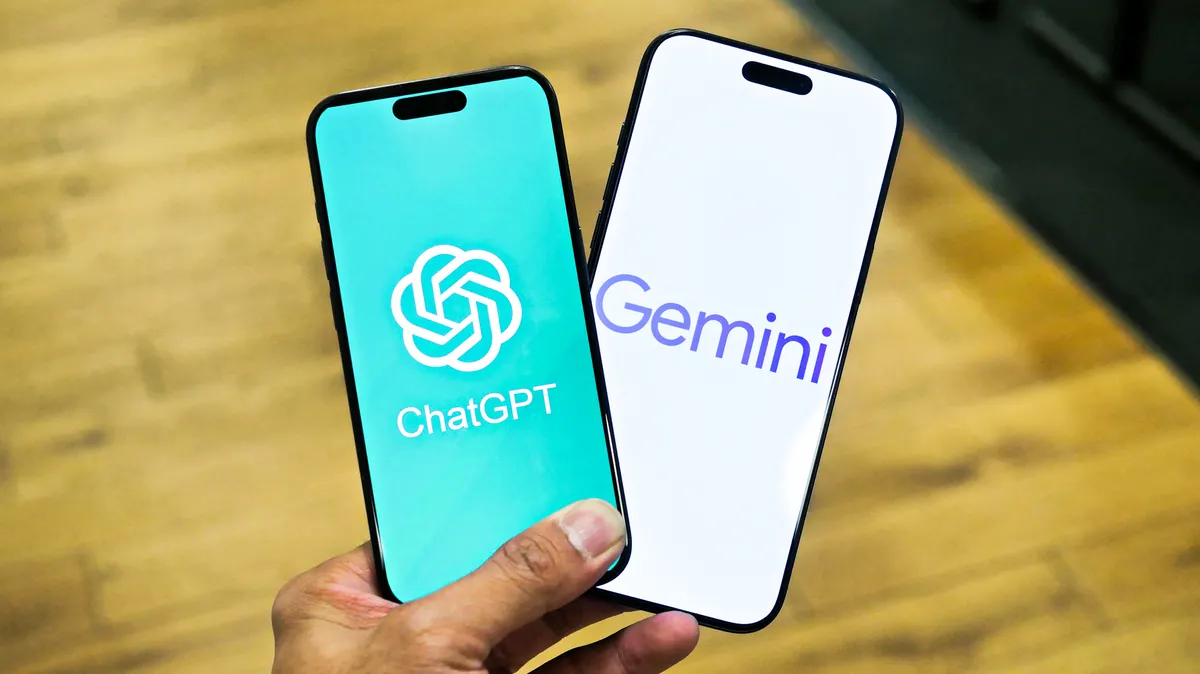
If I need fast brainstorming, I’ll usually start with ChatGPT. If I need a draft to sound more thoughtful or polished, Claude is often a better second pass. If I’m working with Google documents or search-heavy context, Gemini makes sense. If I need quick source discovery, Perplexity can be useful. If I’m dealing with something private or experimental, local AI becomes more interesting.
The easiest way to build your own AI stack is to make a simple list of the five things you actually use AI for most often. For me, that's typically, brainstorming article ideas, refining concepts, summarizing research, organizing my day and stress-testing an argument.
Then test the same task across two or three chatbots and look for the tool that gives you an answer that feels best suited to your needs. That’s the part Reddit made clear about AI power users, they aren’t necessarily using more tools because they love complexity, but simply because each one removes a different kind of problem.
A few final thoughts
The QuitGPT movement attracted a lot of users to Claude and Gemini. Although ChatGPT remains the most popular, what is becoming clear is that the best AI tool may depend on user preference and the problem they are trying to solve.
By stacking models, not only will you get better results, but you'll be less likely to hit your usage limits. Because, you really don't need five AI subscriptions — you just need to know which one to rely on for the job.

Follow Tom's Guide on Google News and add us as a preferred source to get our up-to-date news, analysis, and reviews in your feeds. Subscribe to Tom's Guide on YouTube and follow us on TikTok. Finally, you can visit our dedicated Tom's Guide Savings Squad hub for expert help on getting the best products for less.
More from Tom's Guide