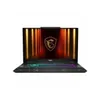
Razer just gave the Blade 16 a major AMD-powered overhaul — and now it's the company’s thinnest gaming laptop yet
Thinner, more powerful and equipped with the latest Nvidia RTX 50 series GPUs
Here at Tom’s Guide our expert editors are committed to bringing you the best news, reviews and guides to help you stay informed and ahead of the curve!
You are now subscribed
Your newsletter sign-up was successful
Want to add more newsletters?
Daily (Mon-Sun)
Tom's Guide Daily
Sign up to get the latest updates on all of your favorite content! From cutting-edge tech news and the hottest streaming buzz to unbeatable deals on the best products and in-depth reviews, we’ve got you covered.
Weekly on Thursday
Tom's AI Guide
Be AI savvy with your weekly newsletter summing up all the biggest AI news you need to know. Plus, analysis from our AI editor and tips on how to use the latest AI tools!
Weekly on Friday
Tom's iGuide
Unlock the vast world of Apple news straight to your inbox. With coverage on everything from exciting product launches to essential software updates, this is your go-to source for the latest updates on all the best Apple content.
Weekly on Monday
Tom's Streaming Guide
Our weekly newsletter is expertly crafted to immerse you in the world of streaming. Stay updated on the latest releases and our top recommendations across your favorite streaming platforms.
Join the club
Get full access to premium articles, exclusive features and a growing list of member rewards.
See our CES 2025 live blog for all the biggest tech news straight from Las Vegas. And follow Tom's Guide on TikTok for the coolest videos.
The Razer Blade 16 has always been one of the best gaming laptops you can buy thanks to its sleek design and sheer power under the hood. Now though, with this year’s model, Razer has made some major improvements to its tried and true formula.
For starters, this year’s Razer Blade 16 is 32% thinner than its predecessor. After going hands-on with it at CES 2025, the device now feels more like a gaming laptop you’ll want to take with you as opposed to a hefty desktop replacement that will stay plugged in at your desk.
Despite being thinner, Razer has also increased its key travel by 50% from 1mm to 1.5mm. The Razer Blade 16’s new keyboard felt great during my brief time with it and that extra travel made typing a much more comfortable experience.
As for the biggest change to the Blade 16, Razer has decided to outfit this new model with AMD Ryzen AI processors instead of the Intel ones used in previous models. In fact, the device can be outfitted with up to an AMD Ryzen AI 9 HX 370 processor, a high-end model of AMD's latest AI-ready laptop chips.
Instead of changing what worked on last year’s model, Razer is using the same port selection on the new Blade 16. This year's model will also feature the same gorgeous QHD+ 240Hz OLED display that I liked on the 2024 edition.
In addition to a thinner design overall and AMD Ryzen AI processors, this new version of the Blade 16 will come equipped with the latest Nvidia RTX 50 series GPUs which were also unveiled at CES. The high-end model can even be outfitted with a Nvidia RTX 5090.
Our brief hands-on opportunity was illuminating, but we'll have to wait until we get one in for testing and review ourselves to see how well the 2025 Razer Blade 16 really performs. Stay tuned!
More from Tom's Guide
- I went eyes-on with the world’s first 4K OLED gaming monitor, and I’ll never go back
- Dell XPS is dead — Dell just rebranded its entire PC lineup
- Acer just unveiled new Copilot+ laptops with OLED at CES 2025, and I'm intrigued
Get instant access to breaking news, the hottest reviews, great deals and helpful tips.

Anthony Spadafora is the managing editor for security and home office furniture at Tom’s Guide where he covers everything from data breaches to password managers and the best way to cover your whole home or business with Wi-Fi. He also reviews standing desks, office chairs and other home office accessories with a penchant for building desk setups. Before joining the team, Anthony wrote for ITProPortal while living in Korea and later for TechRadar Pro after moving back to the US. Based in Houston, Texas, when he’s not writing Anthony can be found tinkering with PCs and game consoles, managing cables and upgrading his smart home.