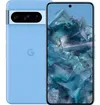
The OnePlus 13 is coming. We're right around the corner from the company announcing its new flagship phone. The latest device is expected to get significant upgrades, including a MagSafe-like charger. Now, a new rumor suggests that it'll get a feature that isn't borrowed from any other smartphone — localized display refresh rate control.
OnePlus posted about its new display technology on the Chinese social media platform Weibo (via PhoneArena). The post highlights different features coming to the upcoming phone's display, and the local refresh rate stands out. Here's what the company said (translated by Google Translate): "[Self-developed local high refresh] Different refresh rates in different areas of the same screen, more accurate matching, smoother viewing and operation."
Localized display refresh rate control means the phone can have varying refresh rates across different parts of the screen. It can adapt if the phone needs high refresh rates in one section for more intense applications but a slower refresh rate for stagnant images in another section.
Traditionally, screens have one refresh rate across the whole panel, which can lead to inefficiencies. In particular, this type of refresh rate can provide better battery life, with stationary portions of the UI getting a lower refresh rate. It can also improve performance by allowing scrolling content or gaming graphics to maintain a high refresh rate for improved responsiveness.
If this feature comes to fruition (and I have no reason to believe it won't, as OnePlus is unlikely to post it on a public forum if it isn't ready), it could be a big deal. With more powerful phones, manufacturers are always looking for ways to improve efficiency and localized display refresh rate control could provide them with just that.
Thankfully, we'll learn more about the OnePlus 13 soon, as the company is expected to announce it sometime this month. We've heard rumblings of a massive 6,000mAh battery and the highest dust and water resistance of IP69, which is more than you can get on any other mainstream smartphone. It's also expected to get a price hike, which is less exciting.
More from Tom's Guide
- Billions of Gmail users at risk from sophisticated new AI hack — how to stay safe
- New iPhone SE 4 case leak hints at major design upgrade
- 7 ways Samsung Galaxy S25 Ultra could beat iPhone 16 Pro Max