While we're enjoying an abundance of sunshine this summer, there's also an abundance of insects that comes along with it. Sometimes, these insects can become pretty bothersome in our homes — like ants.
Sure, they're fairly harmless when there's one or two, but they can also gather together pretty quickly, transforming into an infestation. Since they're so tiny and defenseless, you may be, like me, looking for alternative ways to get rid of them without having to hurt them.
Fortunately, the garden experts at Garden Buildings Direct have a surprisingly effective natural method — and it's by using something you probably already have in your home.
Here's how to use vinegar to keep the ants at bay this summer.
Why vinegar is an effective ant repellent
As mentioned briefly, the sunshine brings out more ants. Why? Because they're more productive and active during the summer months (aren't we all?). It's a peak time for ants and one of the things they love to do the most is look for places where food is plentiful.
And while laying out lovely spreads of food for grills and al fresco dining should be stress-free, these can become opportune moments for ants to make their way into your home on the hunt for scraps.
But, while I'm fed up of seeing ants trying to get into my home, I've got two young kids who I don't want to use chemicals around. And I also don't want them to see me killing the cute little ants they've now given names to.
So, when the garden experts told me you can use vinegar, I was all ears. Especially when they told me colonies can contain up to 15,000 ants!
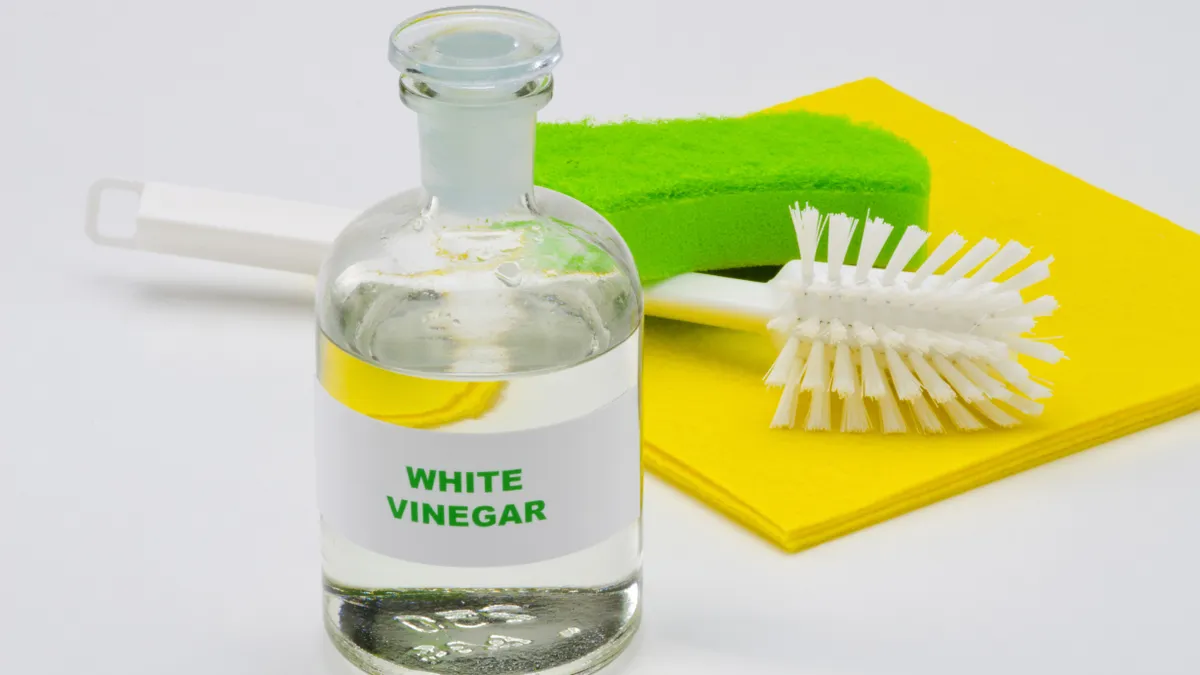
Here's what they said: "Ants don't like the strong smell of vinegar. It disrupts scent trails making it harder to find food and their way back to their colony. Spray around entry points and where they're most visible".
So, pop some vinegar into a spray bottle and focus on those ant trails and entry points. It's really as simple as that.
Other expert tips

You'll be pleased to hear the experts have more suggestions that go beyond vinegar – and they're all things you might already have at home, too.
First up, coffee grounds. These work because ants hate the smell and they don't like the feeling of them underfoot. The experts explain you simply have to: "Create a barrier by sprinkling them around entry points and replace regularly. Once they dry, they become less effective".
Or, lemon juice for another natural deterrent, thanks to the smell and acidity. The experts suggest for this: "Dilute with water and spray at entry points and where you see ant trails".
Other scents ants hate include cinnamon, mint, tea tree oil, chilli powder and lavender. All of which you can mix with a little water to create a spray to use on points of entry. I'd personally avoid the chilli for my children and you should too if you've got pets.
You may also opt to grow mint plants or lavender (one of 9 great pest-repellent plants) outside your home as they're generally great at repelling ants, as well as deterring wasps naturally. So, keep your home pest-free and your mind stress-free.
More from Tom's Guide