



After releasing its AirPods 2 earlier this month, Apple may launch AirPods 3 (later revealed to be AirPods Pro) by year’s end. They will reportedly have active noise cancellation, which will be a serious engineering challenge if the company keeps the current form factor.
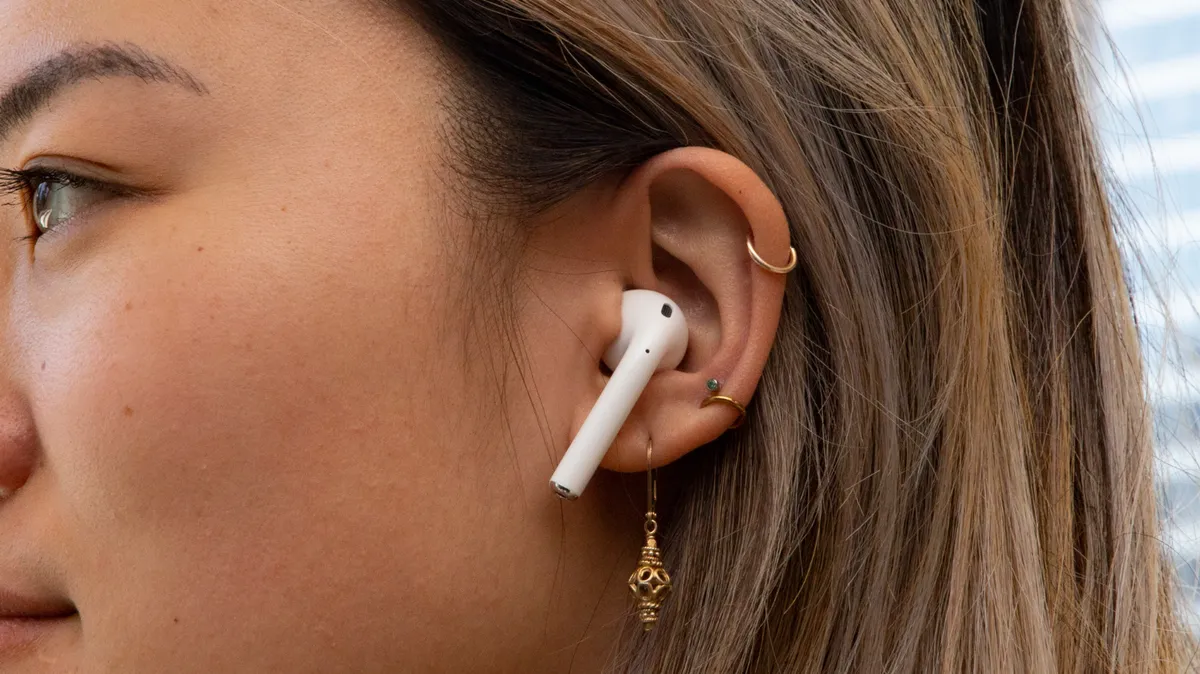
According to Digitimes, Apple is working with Taiwanese manufacturer Inventec and Chinese Luxshare Precision to build the new wireless earbuds. According to Digitimes sources, this new version will have active noise cancelling. Right now, AirPods only provide passive noise isolation — they block your ear canal, but that doesn’t stop sound from coming into your ear.
To achieve that real noise cancelling, you need a microphone to capture ambient sound and a processor and audio drivers to generate a sound wave that is the opposite to the ambient sound, cancelling it. It’s a neat physics trick that is well proven and effective.
But while other over-the-ear and in-ear headphones have this technology, it is going to be very hard for Apple to add it to its signature earbud design without significantly altering the form factor.
In-ear earbuds with active noise cancelling can do a great job at shutting out external sounds, but they struggle at delivering great sound quality, like the Bose Quietcomfort 20. You just can’t do much in such a tiny package.
MORE: AirPods 2 vs AirPods: What's Different?
If Apple keeps the current AirPods design, keeping good quality sound will prove very difficult. According to Digitimes’ sources, “semiconductor devices can hardly work without suffering electromagnetic disturbance [...] how the structural design of the noise forward feedback microphone can be done well to achieve harmonious operation with other devices is a great challenge for designers and assemblers.”
But it gets worse: the other major engineering challenge — again, if Apple wants to maintain the current design — will be battery life. Active noise cancelling is a power sucker that will quickly consume the current Airpods reserves. That’s why earbuds with this technology have to depend on external battery packs attached to a lanyard that goes around your neck.
We can assume that Apple has already done its homework and either found a miraculous way to fit everything in the current tiny package while keeping good sound and battery life. Or they realize this is a mission impossible and they are going to change the design.
Knowing Apple, I find it hard to believe they will step back from their current elegant design. But cross your fingers for the last one, because the last time Apple tried to do something technologically miraculous — cramping multiple induction chargers into its AirPower wireless charging mat — it failed miserably.
Engineering can be magical at times, but not enough to cheat physics.

