Christmas is all about the festive foods and delicious sweet treats that we dream about all year. But unfortunately, this change in our diets can wreak havoc with our sleep. From late night sugary snacks to big evening meals, you may find it more difficult to fall asleep and experience more frequent nighttime awakenings.
The good news is that some of these Christmas foods are also known to promote good quality sleep. So, as long as you're filling up on the right treats, you can enjoy long, uninterrupted well-needed rest. But how can food help you sleep?
With the help of Dr Tim Mercer and Dr Daryl Gioffre, we're taking a closer look at the types of food and ingredients that can benefit our sleep and how. From turkey to cherries, enjoy your favorite festive foods this holiday season while prioritizing your rest.
How can food help you sleep?
Food includes natural sources of nutrition which are essential for good quality sleep. Popular sleep supplements only come into the picture if and when there’s an inadequate intake of such foods.
The reason why certain foods help you sleep better than others is because of the presence of natural elements such as tryptophan, melatonin and magnesium, known to help you fall asleep faster and stay asleep throughout the night.
Studies indicate that tryptophan, an amino acid (also called the building blocks of protein), releases two key hormones: serotonin (the happy hormone) and melatonin (the sleepy hormone). This combination means you'll feel naturally sleepy and ready for rest.
Magnesium is another element, which went viral recently thanks to its benefits for sleep. Research shows that it stimulates a neurotransmitter called Gamma-Aminobutyric Acid, which slows down nerve activity, helping you get a restorative sleep. You’ll be happy to know that these ingredients are readily available in most Christmas foods.

6 Christmas ingrediants that benefit your sleep
So which foods contain these helpful ingrediants? We've listed the top 6 most popular foods you can expect to find on your Christmas table.
1. Turkey
Christmas without turkey is unimaginable and fortunately, this is a highly recommended dish during the festive season because of how it can help you sleep.
“Turkey is rich in tryptophan, and naturally aids relaxation and sleepiness, making it a great main course for winding down. Eating turkey as part of a Christmas meal may lead to a sense of calm, helping you feel ready for bed,” says Dr Tim Mercer, NHS GP Partner and GP Trainer at Opera Beds.

2. Almonds
Almonds are infamous for improving overall health as they contain fiber, protein and vitamin E (good for eyes, skin and hair).
This super food also contains a combination of melatonin and magnesium — both known to promote sleep. Dr Mercer recommends swapping out your chocolate treats as your evening snack with almonds if you want to prioritize quality sleep.
3. Walnuts
Walnuts are another versatile ingredient found in everything from salads, cakes and puddings. Apart from supporting your heart and brain health (thanks to the antioxidants and omega 3 fatty acids present), it is also a great natural aid for sleep.
Not a fan of walnuts or almonds, how about chestnuts instead? “Chestnuts are a great source of fiber, which is key to a healthy gut, magnesium (for sleep) and Vitamin B6, which is important for brain health and function,” says Dr Daryl Gioffre, certified nutritionist and gut health specialist.
4. Cherries
Not only do cherries match the festive theme but they are also a rich source of melatonin, which can induce a good night's sleep. “Many Christmas desserts include cherries, which are a natural source of melatonin. Eating cherries, or drinking cherry juice, has been shown in studies to improve sleep duration and quality, making them a beneficial addition to any holiday treat,” says Dr Mercer.
5. Cranberries
Served in the form of a sauce or canapes or even with brie, spread on a cracker, cranberries are once again a popular Christmas ingredient. You can now have an extra serving as these fruits are high in vitamin A and melatonin which some evidence suggests can regulate your sleep cycle.
6. Hot chocolate
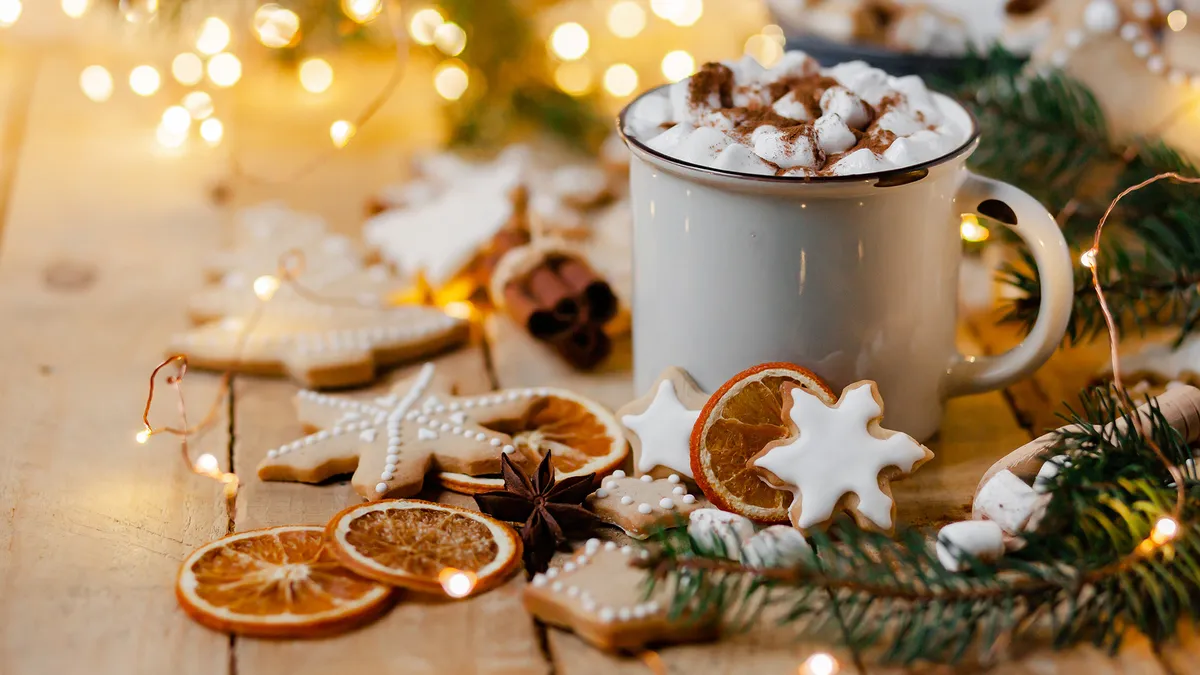
The warm and cozy drink of the season is excellent for promoting rest if you opt for a low sugar, low-caffeine version, especially if you’re having it close to bedtime or anytime in the evening. The key ingredients should be milk and pure cocoa powder (which doesn’t contain extra sweeteners).
“Using milk as the base provides tryptophan, which promotes melatonin and serotonin production to support relaxation and sleep. Warm milk is also soothing and can signal to your body that it's time to wind down. To keep it sleep-friendly, consider making your hot chocolate with pure cocoa powder, which has minimal caffeine compared to dark chocolate. Sweeten it lightly with honey or a small amount of sugar, as too much sugar can cause a spike in blood sugar, potentially disrupting sleep later,” explains Dr Mercer.
3 Christmas foods to avoid for good sleep
While we have given you the 'good' list, these are a few things you should avoid or limit if your priority is a good night's sleep. So here's the naughty list:
Christmas sweet treats
We understand that it's quite impossible to kick off celebrations without great pies, puddings and more. However, when in excess these will do more harm to your sleep than you can imagine.
“High-sugar treats like Christmas cookies and pecan pie can wreck your sleep cycle by spiking your blood sugar followed by a rapid drop, which can disrupt your sleep cycle by waking you up during the night or making it harder to fall into deep sleep. leaving you dragging the next day,” says Dr Gioffre.
Fatty foods
Not to be a Grinch, but these too are infamously known to shorten and disturb your peaceful snooze. Heavy fatty foods like butter mashed potatoes, cheesy casseroles and prime ribs are tough on your digestion, stealing energy your body needs for deep restorative sleep.
An alternate option is to rely on lean protein like turkey, chicken, salmon, oysters, crab or tuna which are filled with tryptophan, serotonin and the like which can promote sleep.
Alcohol and caffeine
This comes under the category of festive drinks and while experts say that you need not steer entirely clear of the wines and Christmas cocktails, it’s best to enjoy them in moderation.
“While a glass of eggnog with rum, a pour of red wine, or a cocktail might seem relaxing, alcohol is a sleep saboteur—it disrupts REM cycles, dehydrates you, and leaves you waking up anything but refreshed,” says Dr Gioffre.
Having a post-dinner coffee too is something to be avoided as caffeine can stay in our system for around 5 hours. While it may keep the party alive, you will have a hard time falling asleep that night.

Tips for getting better sleep during the holidays
- Make sleep a priority: It may be tricky to find time to sleep amid all the festival chaos, but experts recommend sticking to a consistent schedule, if you want to avoid feeling tired. Decide on a hard-stop to the partying at a certain time and prepare your mind and body to wind down for the day. This will help you get enough rest so that you can wake up refreshed and energized to spread more Christmas cheer.
- Keep festive decorations away from your bedroom: It is an exciting time but it’s best to not decorate your bedroom with bright Christmas lights or sparkles. Melatonin promotes sleep by responding to darkness so it’s always good to maintain a dark and cool room for a restful night’s sleep. If external light sources are the problem, invest in blackout curtains or even light blocking eye masks.
- Avoid eating a big meal close to bedtime: Having a huge dinner right before you doze off can increase your cortisol levels and disrupt your sleep pattern. Instead, eat earlier and head outside for a walk. This will regulate your blood sugar levels and prepare you for a good night’s sleep.