The Academy of Motion Picture Arts and Sciences just unveiled updated guidelines that directly address the use of AI in filmmaking, indicating Hollywood’s careful but forward-looking stance on AI.
Films using AI-generated content can now officially compete for Oscars — but there's an important catch: Human creativity has to remain front and center.
This announcement comes amid intense debate over AI’s increasingly influential role in movies. Recent films have already showcased what’s possible, including "The Brutalist," which used AI to fine-tune actor Adrien Brody’s Hungarian accent, and "Emilia Pérez," which employed AI-powered voice cloning for its singing sequences. These examples highlight the thin line between human artistry and technology.
But now, the Academy has officially drawn that line — not by not rejecting AI outright, but by emphasizing that Oscar-worthy films must still reflect human ingenuity.
Why the Oscars’ AI rules matter
Under the new guidelines, using AI won’t automatically damage (or boost) film’s chances of Oscar glory. Instead, it comes down to how integral human creativity is to the finished film. Projects leaning too heavily on AI-driven scripts, CGI visuals or automated performances might find it tougher to compete with those showcasing genuine human imagination.
This reflects Hollywood’s ongoing struggle to balance innovation with tradition. AI can streamline production and even enhance creativity by generating special effects and backgrounds to fine-tuning editing, but there are major concerns around job displacement and diminishing authenticity.

The Writers Guild and actors’ union SAG-AFTRA have already pushed back against AI encroaching on human roles, and the Oscars’ new rules reinforce that stance, celebrating human achievement above all.
As a creator and member of the Writers Guild of America East, I strongly oppose use of generative AI to replace human contributions in creative work. But I’m also not against some use of AI to enhance or support the creative process — as long as it respects the integrity, rights, and livelihoods of writers and artists.
Kelly Woo, Tom's Guide managing editor, streaming
Other notable Oscar rule changes
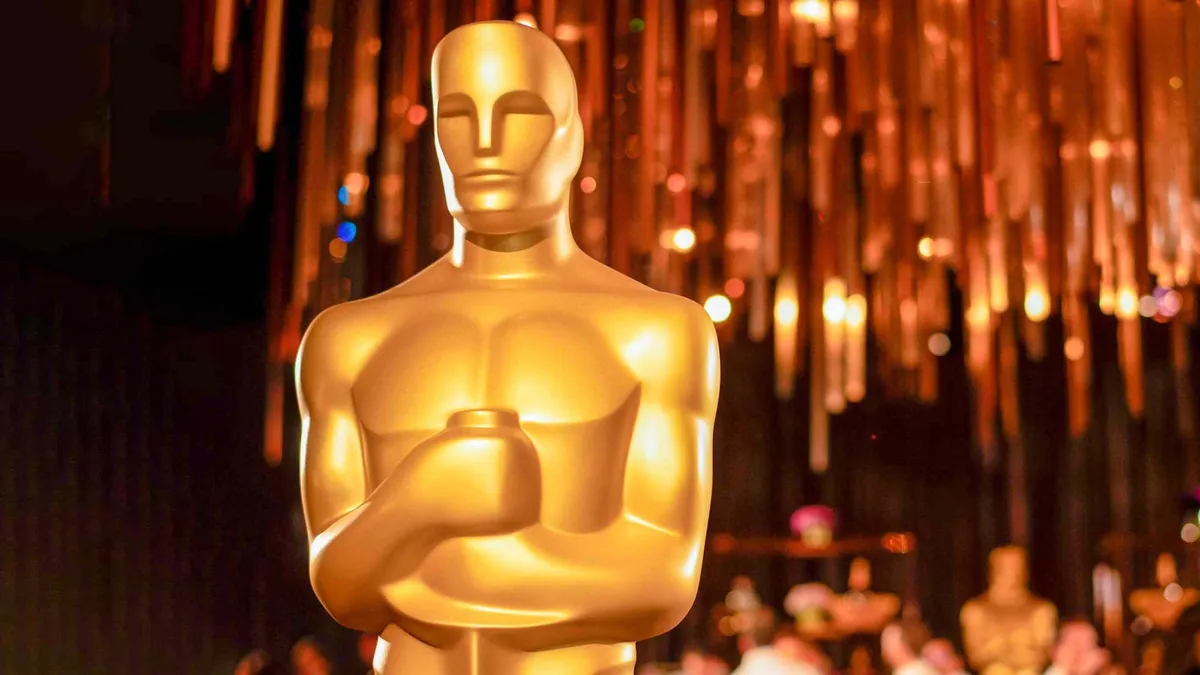
Alongside addressing AI, the Academy introduced additional important updates, including mandatory viewing for voters. Now, Oscar voters must watch all nominated films within a category before casting their final vote. This responds to longstanding criticism that some members relied solely on buzz or reputation rather than actually viewing all the films.
In addition, films created by refugees or asylum seekers are now eligible for the Best International Feature category, opening the doors wider for diverse representation.
The bottom line for the future filmmaking
The Academy’s move isn't about restricting AI, but rather clarifying its role as a helpful creative tool, not a replacement for human talent. As filmmakers continue exploring new technological horizons, they'll need to carefully balance cutting-edge innovation with authentic storytelling.
For audiences, the takeaway is reassuring: The Oscars will keep rewarding films made by people, for people — even when AI gives a helping hand along the way.
What’s your take on AI in movies? Should Oscar rules tighten up even further, or is this the right balance? Share your thoughts in the comments below.
More from Tom's Guide
- Here's what really happens when you don't say 'thank you' to ChatGPT — and I why I always do
- I tested every Gemini model — here’s what each one does and 30 prompts to try
- 7 ChatGPT productivity hacks that you're not using — but should be