I've been testing and reviewing phones for nearly two decades now, and in that time, I've never seen stiffer competition among the best phones.
If you need a phone now, I've turned to the rest of the phone reviews team at Tom's Guide to put together this list of 10 top devices that tick all the boxes for performance, camera features and battery life. And Apple's iPhone 17 Pro Max currently holds the crown.
Apple gives the iPhone 17 Pro Max its biggest hardware and software makeovers, with attractive looking two-toned design and iOS 26 update. The base model in the lineup, the iPhone 17, also gets its biggest upgrades in years with a 120Hz refresh rate and double the storage capacity.
The Galaxy S26 Ultra is the close second place, and top of the pile when it comes to Android. Although it still couldn't beat the iPhone 17 Pro Max, it is now the best Android phone you can buy thanks to its Privacy Display, top-tier chipset and improved battery and charging. And that's before you consider it's also the ultimate camera phone you can buy right now thanks to its quad rear shooters.
If you're reluctant to pay $1,000 or more for a phone — and I can't say I blame you — the Pixel 10a stands out for its sub-$500 cost. Even though it has few hardware upgrades, the software and new AI tools are the biggest selling points.

I'm the senior editor for mobile at Tom's Guide, where I've been working since 2023. I've been covering mobile tech for 17 years in total, starting with old school feature phones and early smartphones powered by Palm OS and Windows Mobile. I'm a New Jersey native and keep up with the latest mobile tech.
I've reviewed many of these phones first-hand, with other Tom's Guide phone experts adding their thoughts and insights for an in-depth look at which devices you should consider. Between every one of our phone reviewers, we've got nearly five decades of experience evaluating phones from every possible angle.
Our best phone picks are based on our lab tests and real-world use of each phone we get our hands on. Here are the 10 phones you should consider if you're looking to get a new handset right now.
The best phones you can buy today
Why you can trust Tom's Guide Our writers and editors spend hours analyzing and reviewing products, services, and apps to help find what's best for you. Find out more about how we test, analyze, and rate.
The best phone overall


The iPhone 17 Pro Max gives Apple the top spot away from the Galaxy S25 Ultra to become the best phones we've tested, but that's more of a reflection of its upgrades and new redesign. Promised Siri improvements tapping into AI won't arrive until later this year, but there are some additional Apple Intelligence features included with the iOS 26 release.
Just like how Liquid Glass is a big makeover for the software, there's still plenty to love about the iPhone 17 Pro Max's hardware. This model offers a brand new, two-toned design that brings the biggest change to the series since the Pro Max's inception, an upgraded telephoto camera, faster processor, and new Center Stage front camera.
You won't have to ditch your iPhone 16 Pro Max if you upgraded in 2024, But owners of older iPhones will appreciate the boosts in performance, photo processing and smarter features that the iPhone 17 Pro Max brings to the table.
Price and value: While this model commands the same $1,199 cost as its predecessor, its faster A19 Pro chip and bigger battery means you're getting more for your money. That's particularly true when the Ultra model of Samsung's Galaxy S flagships costs $100 more than Apple's top model.
"Less expensive" is relative, though, as the iPhone 17 Pro Max's $1,199 starting price is a lot for some people to pay.
Camera performance: iPhones live and die by their cameras, and the telephoto lens on the iPhone 17 Pro Max offers some notable improvements. Apple ditches the 12MP 5x optical zoom camera of the iPhone 16 Pro Max and instead swaps its for a 48MP telephoto with 4x optical that can achieve 'optical-quality' at 8x zoom. If that's not enough, it also packages in a new 18MP Center Stage camera that makes shooting selfies a lot more convenient.
If there's one area where the iPhone 17 Pro Max still proves untouchable, it has to be none other than low light performance. The photos it captures with night mode are brighter, sharper, and more detailed than all the other flagships.
Battery and charging: The battery on the iPhone 17 Pro Max lasts nearly 18 hours on our battery test, where we have a phone surf the web until its battery gives out. The average phone barely makes it past 10 hours, but the iPhone 17 Pro Max was just getting warmed up at that point. No other iPhone has ever lasted that long, with the iPhone 16 Plus coming the closest with an average result of around 16.5 hours.
It's also worth noting that Apple increases the wired charging speed of the iPhone 17 Pro Max to 35W.
Overall performance: Qualcomm's Snapdragon 8 Elite is giving the iPhone all it can handle, but the A19 Pro chipset powering the iPhone 17 Pro Max turns out to be faster in some regard.
We noticed the extra oomph when using the iPhone 17 Pro Max to perform everyday tasks and switch between apps. When we used the iPhone 17 Pro Max to transcode a video, the task took half as long as it did on the Galaxy S25 Ultra. And with a vapor chamber inside, the iPhone 17 Pro Max runs at top performance while remaining cool.
Verdict: The iPhone 17 Pro Max wins top marks for design, photography and performance. There's room for improvement with AI features, and it's very expensive relative to some of the other phones on this list, but you definitely get a lot of power and polish for your money.
Read the full review: iPhone 17 Pro Max
Attributes | Notes | Rating |
|---|---|---|
Price | This is the most expensive iPhone Apple sells. You can save $100 with the iPhone 17 Pro, if you don't mind the smaller screen and less battery life. | ★★★☆☆ |
Cameras | The iPhone 17 Pro Max is one of the best camera phones we've tested, though both the Pixel 10 Pro and Galaxy S25 Ultra beat it on zoomed shots. | ★★★★☆ |
Power | Snapdragon 8 Elite-powered phones may have caught up to Apple's silicon, but the A19 Pro continues to be a top performer, particularly when it comes to overall speed and daily tasks. | ★★★★★ |
Battery life | You won't need to charge your phone up during the day. The iPhone 17 Pro Max is the longest-lasting iPhone we've ever tested, finishing ahead of the iPhone 16 Pro Max. | ★★★★★ |
More on the iPhone 17 Pro Max
- The best iPhones
- I'm buying a new iPhone 17 Pro Max — but only because it's orange
- iPhone 17 Pro Max vs Samsung Galaxy S25 Ultra: Which flagship will win?
The best camera phone


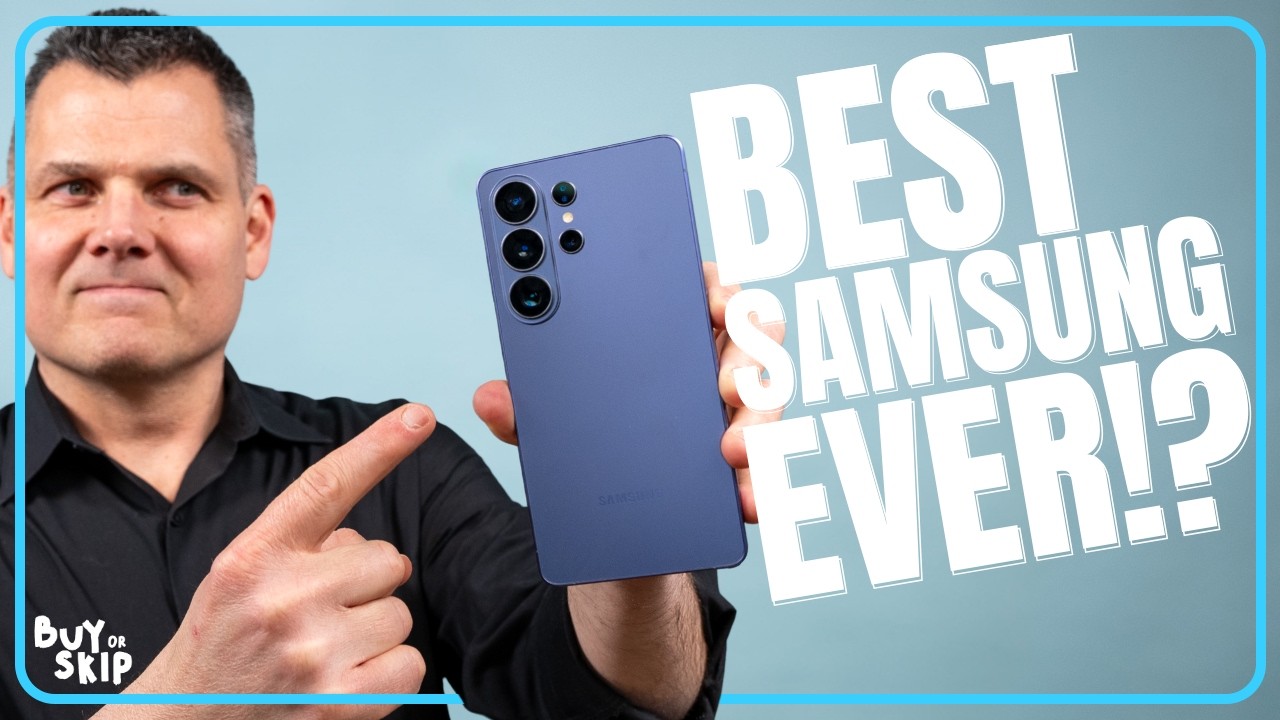
The Galaxy S26 Ultra is Samsung's latest premier Android flagship, and does a lot of things that even the list-topping iPhone 17 Pro Max can't match.
The S26 Ultra's camera system remains a highlight, boasting a 200MP main sensor and a 50MP telephoto lens with wider apertures to improve low-light photography. The zoom capabilities of the phone's dual telephoto cameras remain unmatched, producing clearer, less noisy images at a variety of distances. For videographers, the new "Horizon Lock" feature is a huge deal, ensuring footage remains perfectly level and steady even with shaky hands. However, these hardware improvements come at a physical cost: the much-enlarged camera bump, which you'll be cursing when you want to lay the phone flat on a table or toher surface.
Beyond the cameras, the S26 Ultra features an innovative Privacy Display that can block snoopers from viewing what's on your screen, though it does result in narrower viewing angles and a slightly dimmer screen compared to the S25 Ultra. Meanwhile, new agentic AI capabilities promise to anticipate user needs through features like Now Brief for contextual recommendations and automated app actions that aim to let users book rides or order food via a simple Gemini command.
While the S26 Ultra offers strong battery life and faster charging speeds, the lack of built-in Qi2 magnets for MagSafe-style accessories and the absence of a next-generation silicon carbon battery mean it has retained the same battery capacity as older models. But that aside, you can't do better than the Galaxy S26 Ultra if you want an Android phone that can tackle anything you might feasibly want a phone to do.
Price and value: The Samsung Galaxy S26 Ultra maintains its premium positioning with a starting price of $1,299 (£1,279 / AU$2,199) for the 256GB model, notably avoiding the $100 price hike seen on the standard S26 models. For this price, users receive the most advanced AI features and hardware innovations currently available in the Android ecosystem, making it a high-value choice for enthusiasts, even if it lacks some of the newer battery technologies found in rival flagships.
Camera performance: This is a major highlight, featuring a 200MP main sensor and a 50MP telephoto lens with wider apertures that deliver significantly better low-light performance than previous models. Zoom remains a primary strength, consistently outperforming the iPhone 17 Pro Max in clarity and noise reduction at high magnifications. Video capabilities are also bolstered by the new "Horizon Lock" feature, which keeps footage perfectly level during movement.
Battery and charging: Battery life on the Galaxy S26 Ultra is strong, providing reliable longevity that competes well with other top-tier flagships. Charging speeds have also seen an improvement, allowing users to power up more quickly than before. However, the lack of a silicon-carbon battery, which could have offered even higher energy density, is a pity. Additionally, Samsung opted not to include built-in Qi2 magnets in order to keep the phone thinner, meaning users will still need a compatible case to enjoy MagSafe-style magnetic charging.
Overall performance: The Galaxy S26 Ultra excels in day-to-day use thanks to its AI features, such as Now Brief and Automated App Actions, which allow the phone to anticipate user needs and handle tasks in the background. The hardware is equally impressive, featuring a thinner and lighter design that makes this large phone easier to handle than its predecessors. The S Pen adds further value by integrating with new AI tools like Creative Studio for sketching and image generation. The most innovative performance feature is the Privacy Display, which uses specialized hardware to obscure the screen from onlookers, providing a unique layer of security.
Verdict: Ultimately, the Samsung Galaxy S26 Ultra is the best Android phone currently available, driven by a marriage of hardware innovation and helpful AI. While the massive camera bump and the slightly dimmer display (a side effect of the privacy tech) are notable compromises, they are outweighed by the phone's exceptional zoom, steady video, and unique privacy features. It is the definitive choice for power users who want a high-performance "AI agent" in their pocket and are willing to pay a premium for the most complete flagship experience on the market.
Read the full review: Samsung Galaxy S26 Ultra
Attributes | Notes | Rating |
|---|---|---|
Price | The Galaxy S26 Ultra starts at a premium $1,299, making it $100 more expensive than the base $1,199 Google Pixel 10 Pro XL and matching the typical high-end pricing of the iPhone 17 Pro Max. | ★★☆☆☆ |
Cameras | Samsung’s flagship dominates with a 200MP main sensor and industry-leading zoom that produces much clearer, less noisy shots at a distance than the Pixel 10 Pro XL's 5x or the iPhone’s 8x optical-quality zoom. However, the iPhone 17 Pro Max still holds a slight edge in color accuracy and macro photography, even as Samsung’s new "Horizon Lock" provides the most stable video recording in the class. | ★★★★★ |
Power | The S26 Ultra is hailed as the most powerful Android device thanks to its "agentic AI" and snappy daily performance, easily outperforming the Google Pixel 10 Pro XL’s Tensor G5 in raw benchmarks and gaming. While the iPhone 17 Pro Max’s A19 Pro chip typically wins in pure processing speed, the S26 Ultra's 12GB of RAM and specialized AI features make it the more versatile choice for heavy multitasking. | ★★★★★ |
Battery life | While the Galaxy S26 Ultra offers "strong" battery life and faster charging speeds than previous models, it still struggles to match the endurance of the iPhone 17 Pro Max, which Tom's Guide recorded as the longest-lasting iPhone ever at nearly 18 hours. It comfortably outlasts the Google Pixel 10 Pro XL's 14-hour mark, though it misses out on the next-gen silicon-carbon battery technology found in some emerging global rivals. | ★★★★★ |
More on the Samsung Galaxy S26 Ultra
- Samsung Galaxy S26 Ultra battery life tested — here's how it stacks up to iPhone 17 Pro Max and more
- Galaxy S26 Ultra lab tests show that it's dimmer than S25 Ultra — even with Privacy Display turned off
- Samsung just did the impossible with the Galaxy S26 Ultra — I can't decide which of these two new features I like more
- I spent 24 hours with the Galaxy S26 Ultra — what I like (and don’t) so far
Best under $500



Everyone was fretting on whether Google would increase price the Pixel 10a this year, but the company's decision to keep its midrange phone at the same $499 price as the Pixel 9a is a welcome relief. The cost of the Pixel 10a still looks better than the forthcoming iPhone 17e that Apple's still asking for $599.
Despite the lack of new hardware upgrades, it still really is the best cheap phone around. You can't help but appreciate how the Pixel 10a evolves the design by making the camera design truly flush this time around, while its construction benefits from an upgraded IP68 rating and Corning Gorilla Glass 7i on the front to improve its scratch and drop resistance.
Meanwhile, the Pixel 10a still makes for a compelling option with its Tensor G4 chip, 6.3-inch Actua display, 5,100 mAh battery, and more AI features. I can attest that it's the budget phone to beat with the most value, for now.
Price and value: In addition to sparing your budget with its $499 price, the Pixel 10a should last you a very long time. Google provides the same seven years of software and security updates as the pricier Pixel 10 Pro and 10 Pro XL models.
If the price isn't enough to convince you, just know that there are Pixel 10a deals that discount the phone even more from its normal price, while also throwing in freebies.
Camera performance: While the flush camera design on the back of the phone is a refreshing change over other phones, the Pixel 10a cameras actually don't get an upgrade. It's still a 48MP main camera that pairs with a 13MP ultrawide, while a 13MP camera sits around the front for selfies.
I put this to this test in my Pixel 10a review and it's no surprise that I don't see a tremendous change against the previous Pixel 9a. However, it does tack on two new AI tools — Camera Coach and Auto Best Take — which are helpful in getting the best possible shots.
Battery and charging: The Pixel 10a beats the average smartphone's performance on our battery test. The Pixel 10a was able to surf the web for 15 hours and 16 minutes before tapping out, which is a surprising improvement over the Pixel 9a's time of 13 hours and 8 minutes.
Improving battery life by more than 2 hours over its predecessor shows that Google is on the right track when it comes to bolstering the battery life of its phones. I'm surprised by this because it has the same 5,100 mAh battery as before, so I suspect that the power efficiency of the software is the cause for its improved performance.
Overall performance: Speaking of performance, AI features continue to be a big part of the Pixel 10a's story gaining most of the same AI-tools first introduced with the Pixel 10 lineup. The Pixel 10a is also the first in the A-series to offer Satellite SOS to get help when there's no traditional cell phone coverage around.
But don't sleep on the phone's call management features, either, as I think they're some of the best AI features on the Pixel and unique to Google's phones. I also love the Call Screen feature that lets Google Assistant take phone calls on my behalf, complete with contextual responses I can choose.
Just be aware that some Pixel 10 AI features are missing here — notably the Pixel Screenshot app for retrieving screenshot info saved on your phone and the AI-enhancements of Pro Res Zoom.
Forget about blazing speeds, though, as that's not in the Tensor chips' locker. That said, the Pixel 10a does handily out-perform the $399 Galaxy A36, which uses a lower-powered Snapdragon chipset. However, it trails the A18's performance with the iPhone 16e.
Verdict: The Pixel 10a is a superb contender that continues to prove how budget phones can rival flagship models. Every aspect of the phone has been improved over its predecessor. From its much bright (and larger) screen, to its longer battery life, and better camera performance, it's a fantastic option for anyone. Best of all, it gets some of the AI features found with the more expensive Pixel 10 models.
Read the full review: Google Pixel 10a
Attributes | Notes | Rating |
|---|---|---|
Price | Google keeps its midrange phone under $500, making the Pixel 10a one of the better values you can find if you don't want to pay flagship prices. | ★★★★☆ |
Cameras | With the same 48MP main camera paired with a 13MP ultrawide as before, the Pixel 10a not still delivers astounding results for a budget phone. | ★★★★☆ |
Power | The Pixel 10a recycles the same Tensor G4 chip as before, which effectively allows it to run most of the same AI features found with the rest of the Pixel 10 series. | ★★★★☆ |
Battery life | You'll get better than average battery life with the Pixel 10a, lasting much longer as the pricier Pixel 10. | ★★★★☆ |
More on the Google Pixel 10a
- Google Pixel 10a vs Pixel 9a: What's the difference?
- Forget Samsung DeX! I tried desktop mode on the cheap Pixel 10a and it’s just as good
- iPhone 17e vs Pixel 10a: Here’s how these budget phones stack up
Best iPhone value


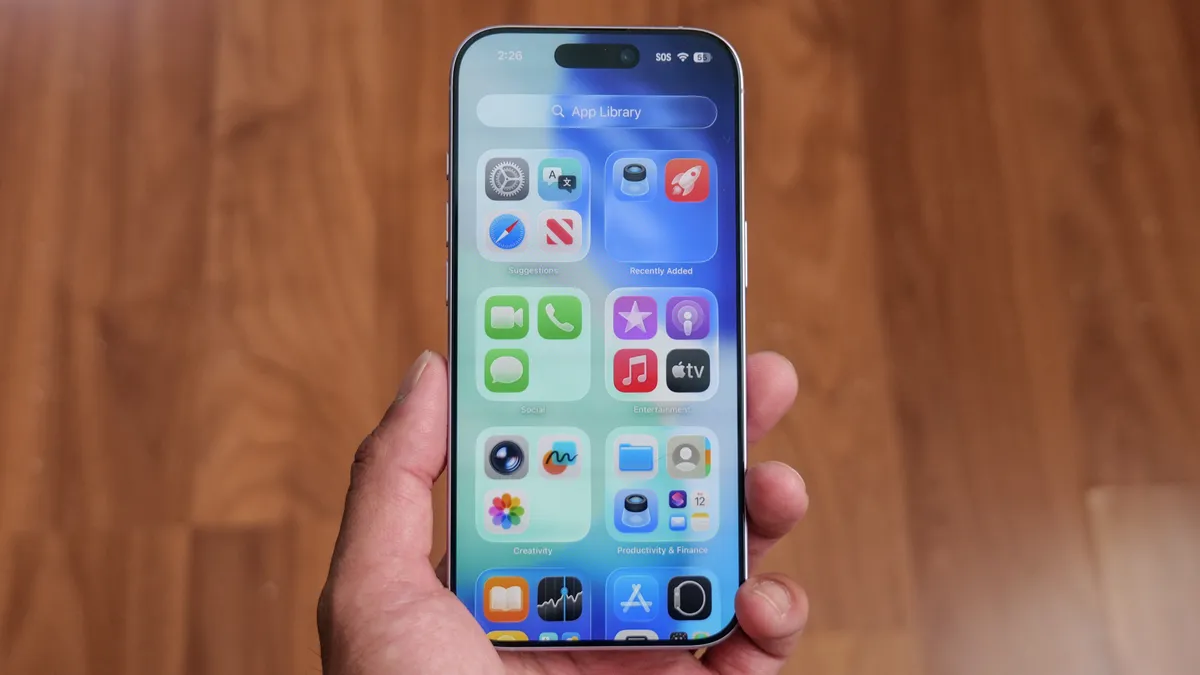

The iPhone 17e may be cheaper, but it doesn't deliver as many features as the iPhone 17. This entry-level Apple flagship also offers incredible value against the pricier iPhone 17 Pro and 17 Pro Max, thanks to all the things it has in common with those pricier models.
In fact, I argue that the iPhone 17 has more 'Pro' features than ever before. Certainly, no one would claim the iPhone 16 is an afterthought, given all the new additions.
Price and value: The $799 starting price of the iPhone 17 remains a lot to pay for most people. But it's cheaper than the $999 iPhone Air, not to mention those iPhone 17 Pro models, which start at $1,099 and only climb upward from there. Whether it's the Galaxy S25 or Pixel 10, you're going to pay $799 for an entry-level smartphone, so at least Apple's not charging you more.
The iPhone 16e costs $200 less and also supports Apple Intelligence features. But that phone comes with a single rear camera and lacks features like MagSafe support and the Dynamic Island. I think that's an awful lot to give up unless price is absolutely paramount among your concerns.
Camera performance: The 48MP main camera unlocks a lot of photography potential in the iPhone 17, but its ultrawide camera has a wider f/2.2 aperture that allows it to gather in more light than previous iPhones.
The iPhone 17 continues to offer lossless 2x zoom without the need of a telephoto camera too, which helps bridge the gap between itself and the Pro models. While the zoom 2x zoom shots are usable, its 10x zoom shots are starting to look dated compared to the Pixel 10 and its dedicated 10.8MP telephoto with 5x optical zoom.
Battery and charging: Apple's larger iPhones have more room for bigger batteries but the iPhone 17 also gets a larger one due to the extra room that's normally occupied by a SIM slot. In fact, it lasts more than 12 hours on a single charge — that's well ahead of the average smartphone, but not the Galaxy S25.
Thankfully Apple's upgraded its wired charging speed to 35W, which adds a fair back to the battery using Apple's new 45W charger.
Overall performance: The A19 chipset within the iPhone 17 is potent, proving just as capable as the A19 Pro. (Apple's Pro chipset has a little more muscle when it comes to graphics, thanks to an extra core in its GPU.) Even more impressive is how it puts up better scores in GeekBench than most Android phones running the latest Snapdragon 8 Elite chip.
This boosted chipset allows the iPhone 17 to support AI-powered Apple Intelligence features just like Apple's Pro models, though as we've noted there hasn't been a whole lot new with the iOS 26 release.
Verdict: The iPhone 17 is a better value than the iPhone 16 that came before it, thanks in part to its much smoother 120Hz refresh rate, 256GB starting storage, stronger A19 performance, and how it now carries similar features found on the 17 Pro models.
Read the full review: iPhone 17
Attributes | Notes | Rating |
|---|---|---|
Price | Sporting the same $799 as before, the iPhone 17 is a better value than ever mainly because of how it has more in common with the Pro models than ever before. | ★★★★☆ |
Cameras | The 48MP main camera does a lot, but it still can't beat a Pro iPhone due to the lack of a dedicated telephoto lens. | ★★★☆☆ |
Power | Apple uses a variant of its latest chipset, but the A19 manages to deliver outstanding results that narrows the gap against the A19 Pro. | ★★★☆☆ |
Battery life | As a compact phone, the iPhone 17 offers all-day battery. | ★★★★☆ |
More on the iPhone 17
- I went hands-on with all the new iPhone 17 devices — and this is the one I'd actually buy
- iPhone 17 vs. iPhone 16: Biggest differences explained
Best phone battery life


The OnePlus 15 makes a serious statement, proving that flagship phones are capable of offering long battery life. Now that it's switched over to a silicon-carbon battery, it sets a new record in our best phone battery life list by giving a real world performance of over two full days. If that's not enough to convince you how it's more of an evolutionary upgrade, it still offers the best bang-for-the-buck value.
Despite being one of the last flagship releases this year, it's the one that's most improved in my review. The OnePlus 15 differentiates itself because of how its 7,300 mAh battery cell uses advanced Silicon Nanostack technology to add more energy without causing the phone to be any larger in size. And as a result, the dense battery allows it to reach new heights with battery life performance. Another alternative to think about is the OnePlus 15R, which too benefits from a long-lasting battery.
Price and value: Let's talk about that price hike. The OnePlus 15 starts at $899, which is the same price as the previous OnePlus 13. However, that price is always subject to change according to OnePlus due to current market conditions.
If you compare that to the starting price of entry-level flagships that cost around $799, it still has incredible value given its larger display and battery capacity. Compare it to similarly sized phones like the Galaxy S25 Ultra and iPhone 17 Pro Max, and the OnePlus 15 still costs substantially less while delivering equivalent features.
Camera performance: The company's partnership with Hasselblad ends with the OnePlus 15, but that's not something to worry about because its triple 50MP camera system gets help from new sensors, better image processing, and help from AI.
The main camera works well under ideal conditions, while the ultrawide it tapped for all macro photography, which produces crisp closeups that capture a ton of detail. Over on the telephoto side, its 50MP telephoto shooter with 3.5x optical zoom seems short compared to its rivals, but OnePlus applies its DetailMax Engine to enhance its zoom shots with help from AI. However, its low light and selfie camera performance continues to underperform.
Battery and charging: If there's one thing that the OnePlus 15 proves, it's that two days of battery life is achievable. That's because it's able to cram a dense 7,300 mAh carbon silicone dual cell battery, and paired with the power management features found in the Snapdragon 8 Elite Gen 5 chipset, sets a record in our phone battery test. The new OnePlus flagship lasted 25 hours and 13 minutes, which is nearly 15 hours better than the average smartphone.
What's even better is the real world battery performance my colleague got in his testing, which carried him over two days. Every single flagship phone needs a nightly charge, but not the OnePlus 15. If that's not enough, you also get 80W charging speeds in the U.S. (It's 100W elsewhere).
Overall performance: The top-of-the-line Snapdragon 8 Elite Gen 5 chipset inside the OnePlus 15 means it's above the pack because few phones are running Qualcomm's latest flagship chips. It's no wonder that it produces class leading results in various benchmark tests, including GPU performance where it reaches the fastest frame rate average we've seen with 3DMark's Wild Life Unlimited test.
There's also the dedicated 165Hz refresh mode that kicks on for certain games, like PUBG Mobile and Call of Duty Mobile, which increases the tough response to give gamers even tighter controls with smoother looking graphics and animation. Finally, new OnePlus AI features seals its value with helpful tools like AI Writer, AI Perfect Shot, and Mind Space new to the roster.
Verdict: It's time to start thinking about OnePlus in the same way you'd consider Samsung or Google when mulling over which Android phone to get. The OnePlus 15 belongs in the same conversation as any leading Android device, thanks to its strong performance, class leading battery life and surprisingly strong cameras. Software support gets better, too, thanks to the new AI features that come with OxygenOS 16.
Read the full review: OnePlus 16
Attributes | Notes | Rating |
|---|---|---|
Price | Considering all the upgrades, its recording setting batter life performance, and new AI features, it's still pretty astounding OnePlus is keeping the cost unchanged at $899. | ★★★★★ |
Cameras | Despite no longer having a Hasselblad partnership, the OnePlus 15 cameras still manage deliver improvements courtesy of the new sensors and its updated DetailMax Engine that enhances photos for more detail and clarity. | ★★★★☆ |
Power | The best Qualcomm chip you can buy powers the OnePlus 15, and the benchmarks results we tallied show why that's important. The OnePlus 15 thrives at playing graphically intense games, and it can speedily handle any tasks you throw at it. | ★★★★☆ |
Battery life | No other phone tops its battery life, which reaches a new level thanks to the new battery tech it's offering. Even more impressive is that it's the only flagship to offer 2+ days of real world use. | ★★★★★ |
More on the OnePlus 15
- Best phone battery life: Where the OnePlus 15 ranks
- OnePlus 15 vs. Galaxy S25: Which flagship Android phone will be better?
- Best OnePlus phones
Best standard flagship phone


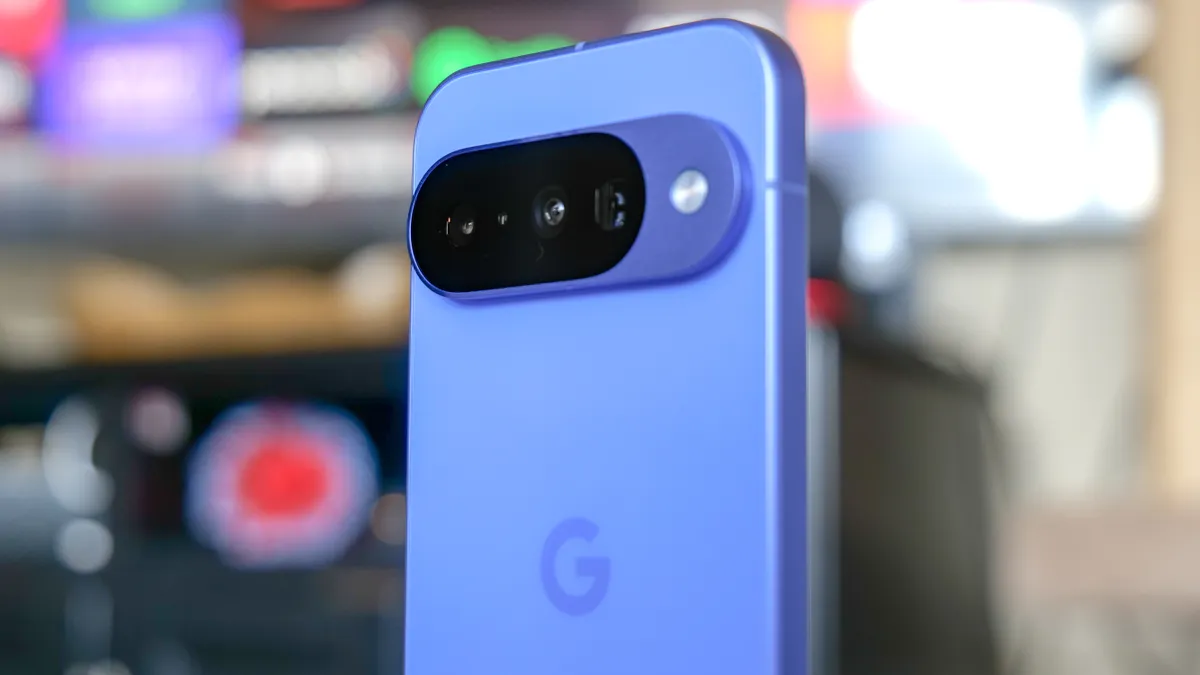
Google really sets the bar for all $799-priced flagship models, as the Pixel 10 gains several new tricks that make it more Pro-like than ever before. From its charming color options, to dedicated telephoto camera, and even extra Google AI features, the Pixel 10 is superb device worthy of our list
I tested it out and really emphasize how much of a difference a dedicated telephoto camera makes, which is made more poignant given that it's much cheaper than its Pro siblings. With a triple camera system now in place, the Pixel 10 offers much more utility for less.
Price and value: The $799 starting price of the Pixel 10 is comforting because it's the same price as last year's model, while adding that new telephoto camera, Pixelsnap support, more AI features, and a much brighter display.
What's even more impressive is the latest set of AI tools and features it brings. It gets the same smarts as the more expensive Pro models, including helpful features like Magic Cue, Voice Translation, Ask Photos, and much more.
Camera performance: While the 48MP main camera and 13MP ultrawide are brought over from the previous model, it's the new 10.8MP telephoto with 5x optical zoom that really rounds out its camera arsenal. With an optically backed lens, it lets you get closer to subjects — while capturing incredible detail. The difference is instantly noticeable compared to other phones like the iPhone 17, which leans on its main camera for all zooming.
Battery and charging: There's a modest improvement to the Pixel 10's battery life, reaching 13 hours and 13 minutes in our battery drain test. That's nearly 45 minutes longer than the prior model, and it's still more than enough juice for all-day battery life for most people.
Power users will certainly still need to top off at some point, so it's nice that Google gives it a faster 30W wired charging speed. This is in addition to Pixelsnap support, which lets the Pixel 10 work with many MagSafe and other magnetic accessories, like wallets and stands.
Overall performance: The Tensor G5 still has a lot to prove because benchmark scores put it behind many of its main rivals. However, the G5 is still faster and more power efficient than the previous Tensor G4 chip. Thankfully you won't notice any performance hiccups with most processes, as the Tensor G5 paired with its 120Hz refresh rate makes tasks look smooth and instant.
Verdict: The Pixel 10 is a compact sized phone that's perfect for content creators and photo enthusiasts now that it's adopted a dedicated telephoto camera into its arsenal. And with all of Google's AI features, it offers a robust software experience that turns complex tasks into short and easy ones — giving you more time to focus on other things. Best of all, it remains at the same $799 price as before.
Read the full review: Pixel 10
Attributes | Notes | Rating |
|---|---|---|
Price | There's a ton more value this year than before because of all the hardware and software upgrades it receives, while remaining at $799. | ★★★★★ |
Cameras | The Pixel 10 hands down set the benchmark for all camera phones in the $799 price range. The addition of a dedicated telephoto camera with 5x optical zoom gives it a big boost. | ★★★★★ |
Power | The Tensor G5 might still be underpowered against its rivals, but it doesn't change the fact that normal tasks are unhindered. | ★★★☆☆ |
Battery life | Google upgrades it to a 4,970 mAh battery, delivering longer results than before. | ★★★★☆ |
More on the Pixel 10
- Google Pixel 10 vs. Pixel 9: All the biggest upgrades
- I put the Pixel 10 vs iPhone 16 through a 10-round camera shoot-out — here's the one I'd get
- I checked out the Pixel 10, Pixel 10 Pro, and Pixel 10 Pro XL — here’s the one I recommend
Best foldable phone


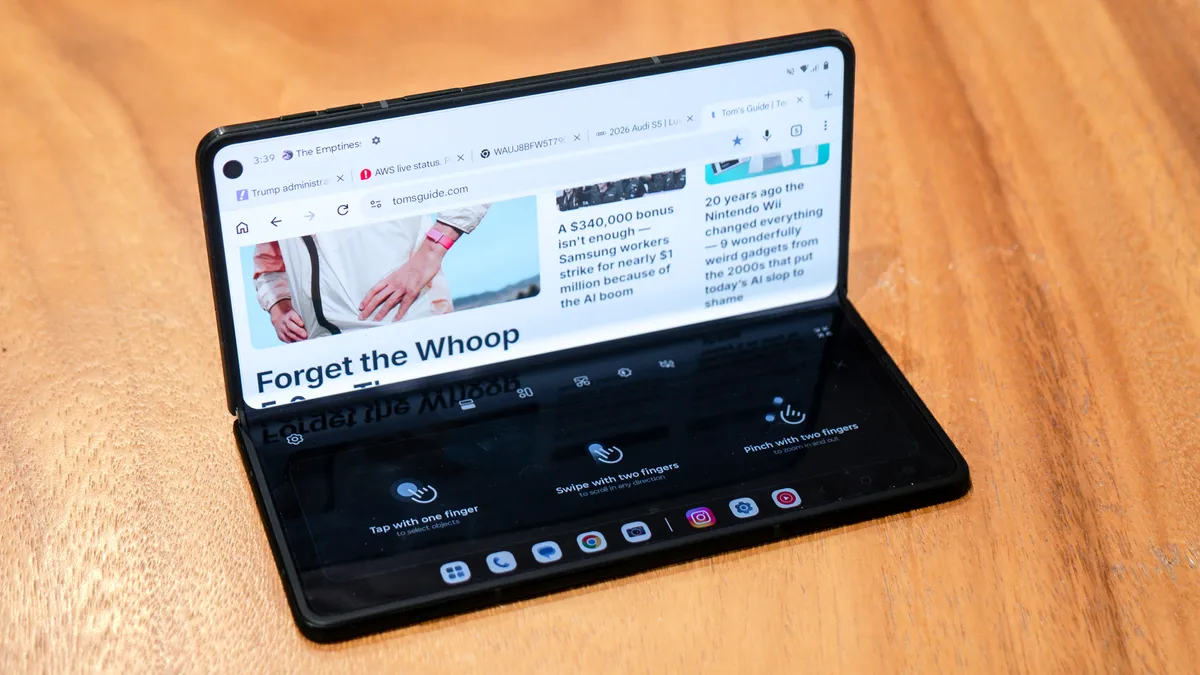


The Motorola Razr Fold takes the top spot among the best foldable phones, delivering all-day battery endurance, and a hinge system that feels engineered for the long haul. Not bad for a first attempt at a book-style foldable, but given how much we've liked the revived Moto Razr in recent years, perhaps it's not surprising that Motorola can put its successful formula to work in a larger format.
Occasional quirks with switching between displays may frustrate some, and the outer display's limited flexibility for third-party widgets may also be a nuisance depending on how you want to use the Razr Fold. It's also not a leader in AI tools, if that matters to you. In terms of hardware quality and the overall software experience though, the Razr Fold is now the go-to for anyone wanting the latest and greatest in foldable phone tech.
Price and value: Starting at $1,899, the Razr Fold sits at a midpoint between its main rivals from Google and Samsung. But despite keeping the price low (at least for a foldable), the Razr Fold still feels like a premium device.
From the moment you pick it up, Motorola’s focus on durability is immediately apparent. The aerospace-grade aluminum frame and FlexiHinge mechanism create a reassuringly solid device, while the textured back panel feels secure resting in your palm. TG's John Velasco noted the Razr Fold feels much less fragile than earlier foldables, a crucial improvement for anyone who wants to use their phone without babying it.
About the worst thing that can be said about the Razr Fold’s design is the limited color choice. It's either black-blue or white.
Camera performance: A triple 50MP setup with 3x optical zoom makes it easy to capture detailed shots in nearly any scenario with the Razr Fold. Its flexible form lets you use the powerful main camera for selfies or creative angles, adding real versatility for content creators and everyday users alike.
Even compared with the Pixel 10 Pro Fold or the Galaxy Z Fold 7, which are made by companies with strong photography pedigrees, the Moto Razr's photos keep up, or even beat them.
Battery and charging: Lab results measured the Razr Fold’s battery life at over 12 hours on a single charge. Even after a demanding day, it routinely ended with more than 35% left. That kind of staying power means you don’t have to ration screen time or carry a charger everywhere.
When it is time to recharge, the Razr Fold’s 80W wired charging is a genuine relief. In our tests, a 15-minute top-up added enough juice for several more hours of use, a practical fix for the battery anxiety that often shadows high-powered foldables.
Overall performance: Moto picked a Snapdragon 8 Gen 5 chip for the Razr Fold, a flagship-grade piece of silicon but from a lower-powered family than the Snapdragon 8 Elite used by the Galaxy Z Fold 7. In benchmarks, the Samsung foldable still scores better on CPU tests, but the Razr does manage slightly better on GPU tasks.
Even under heavy multitasking, with multiple apps, streaming, and file transfers, the Razr Fold stayed smooth and responsive. Our reviewer John pushed it to the limit during testing but reported no slowdowns, a testament to Motorola’s software tuning.
Gamers won't feel left out. The expansive foldable display delivers a more immersive experience than any standard phone, and the Razr handled graphically demanding titles with no stutter or heat issues during our tests.
Power aside, productivity is where the Razr Fold really shines. The large main screen effortlessly juggles up to four apps at once, thanks to Motorola’s refined multitasking software. In hands-on use, switching between a video call, email, and a running spreadsheet felt seamless, with no lag or awkward resizing, even under heavy loads.
For many, the Razr Fold comes close to replacing a compact laptop. One reviewer found themselves finishing a full morning’s work on the foldable alone, noting that no previous foldable made multitasking this fluid or reliable.
Verdict: The Razr Fold is the foldable to beat for anyone who wants true all-day usability, robust build quality, and a big-screen multitasking edge. . For most demanding users ready to go foldable, the Razr Fold lives up to its flagship promise.
It is still expensive, so other phones on this list will get you almost as much functionality for half as much money, or even less. But if a foldable's what you want, this is the model to get right now.
Read the full review: Motorola Razr Fold
Attributes | Notes | Rating |
Price | Foldables are never cheap, but the Razr Fold is at least not the most expensive in its class. | ★★★☆☆ |
Design | It's big, beautiful and surprisingly tough. Everything you could ask for from a folding phone. | ★★★★★ |
Power | The Snapdragon 8 Gen 5 chip isn't the most powerful chip on the market right now, but the Razr Fold still runs demanding apps and multi-tasks with aplomb. | ★★★★☆ |
Battery life | The Razr Fold is the longest-lasting book-style foldable we've tested. It's still beaten easily by many non-foldables. | ★★★★☆ |
Best phones: Key specs compared
Here's a closer look at how our best phones pick compare when it comes to display brightness and battery life test results.
Phone | Screen size | Brightness test results (nits) | Battery life test results (Hrs: Mins) |
iPhone 17 Pro Max | 6.9 inches | 1,899 | 17:54 |
Samsung Galaxy S26 Ultra | 6.9 inches | 1,806 | 16:10 |
Google Pixel 10a | 6.3 inches | 1,896 | 15:16 |
iPhone 17 | 6.3 inches | 1,505 | 12:47 |
OnePlus 15 | 6.82 inches | 1,222 | 25:13 |
Pixel 10 | 6.3 inches | 2,333 | 13:13 |
Motorola Razr Fold | 8.1-inch inner, 6.6-inch outer | 2,192 | 14:44 |
FAQs: Finding the best phones
What is the best Android phone?
After reviewing all the releases so far this year, we think the Samsung Galaxy S26 Ultra is the best Android phone available right now. It'll set you back more than $1,000 but it's easily the most comprehensive Android smartphone out there, even leap-frogging Google's own Pixel 10.
What phone has the best camera?
The Samsung Galaxy S26 Ultra is also our pick of the best camera phones available today. Its 200MP main lens, supported by two telephoto lenses (50MP, 10MP) and an ultra wide lens, alongside the newly-enlarged apertures for the main and 5x cameras and various under-the-hood tweaks, mean it simply can't be beat.
Which phone is better: iPhone or Samsung?
There's not an objective answer as to whether an iPhone or Samsung phone is better, as it depends on what you need from your smartphone. You'll want an iPhone if you value simplicity and compatibility with other Apple devices. In the U.S., Apple's popularity also means that many apps are developed for iOS only or come to the App Store before they reach Android. If you use AirPods, have an Apple TV and work on an iMac or MacBook, the iPhone is probably going to suit you most.
The same goes for Samsung; if you have a Samsung account, have used their phones in the past, and use a Samsung Watch, a Samsung phone will be best. There's also a much larger range of Samsung devices for almost every possible configuration and preference, from cheap small phones to large ones with incredible cameras.
Samsung is also steps ahead of Apple in adding AI to it's devices. Apple Intelligence is off to a very slow start (having launched in 2024 and barely changing since then). Samsung has it's own Galaxy AI package, but also incorporates a lot of Google's features, powered by Gemini.
Should I get an Android device or iPhone?
Android phones give you more choice in terms of price, size and innovative designs. However, iPhones offer speedier software updates, better games and apps and better security and privacy. See our iPhone vs Android face-off for more on the strengths and weaknesses of the two mobile platforms.
When do new phones come out?
It helps to have some idea as to when new phones are on their way if for no other reason than you don't unwittingly buy a device that's about to be made obsolete. (There's an argument to be made for buying a phone as its successor is getting announced should the older model see a price drop.) Phone makers tend to keep launch dates close to the vest, but they also have a habit of releasing new models at the same time of the year. Here's out best guess as to what's coming next for the most anticipated phones of 2026.
Is it better to buy an unlocked phone?
Most shoppers in the U.S. buy new phones through their wireless carrier. But an unlocked phone gives you the freedom to buy the device without any sort of contract and then bring it to the provider you want to use. And these days, it's pretty easy to bring an unlocked phone to any phone carrier.
That said, some phones cost more when you buy them unlocked. For example, Apple tacks $30 on to the price of the latest non-Pro iPhone for an unlocked model. Best Buy typically takes money off the price of a phone when you activate it with a specific carrier at time of purchase.
How big of a phone should I get?
Fans of the best small phones will have a hard time finding devices with screens smaller than 6 inches today, though a few still exist. Thanks to shrinking bezels, most phones with screens around 6.1 inches are fairly compact. If you prefer a big phone, you'll want something with a screen that's 6.5 to 6.8 inches. Anything bigger, and you'll likely want to turn to a foldable phone, where the device opens up to reveal a larger display.
What should I consider when looking at camera features?
Most phones will come with at least two rear cameras — a main lens and an ultrawide shooter, usually. Telephoto lenses offering an optical zoom are often reserved for more expensive flagship phones. Don't pay attention to the megapixel count. Instead, look at camera face-offs between phones to see the photo quality and look for special features like Night Mode to get better quality in low light. Also see our best camera phone roundup for more on the devices that really excel when taking photos.
What do I need to know about smartphone battery life?
Generally, phones with larger batteries (measured in mAh) offer the longest battery life, but that's not always the case. That's why we run our own battery test, in which we make phones surf the web until they run out of power. The average phone runs out of juice after about 11 hours in our test, while devices with the best phone battery life we've tested tend to reach the 16-hour mark with some phones lasting longer than 24 hours.
What about AI features?
Artificial intelligence is the talk of the tech world these days, and mobile phones are looking to capitalize on the buzz by adding AI-powered features that either simplify common tasks or help you create new images and documents on the go.
Google's phones — whether it's the flagship Pixel 10 models or even the budget Pixel 10a — have the most advanced AI, and the new Pixel 10 lineup adds more capabilities. But Samsung has gotten very aggressive with adding Galaxy AI capabilities, whether it's introducing AI features in new phones or extending those features to older flagships. Samsung introduces new Galaxy AI features with the Galaxy S26 lineup, including the Now Nudge and other Agentic AI tools.
Apple trails both its rivals, though it hopes the Apple Intelligence features slowly rolling out to all iPhones launched since 2023's iPhone 15 Pro will address this. But almost two years in to Apple Intelligence's life, we've still not received all the features first promised at WWDC 2024.
For a comparison of AI features on the major flagships, see our iPhone vs. Galaxy vs. Pixel AI phone face-off. Google's latest Pixels finished on top, though Galaxy AI made a strong showing in image-editing tasks.
How we test smartphones
In order for a smartphone to make our best phone list, it needs to excel on several tests that we run on every handset. We perform some of these tests in our labs and some in the real world.
When it comes to performance, we rely on such synthetic benchmarks as Geekbench and 3DMark's Wild Life Unlimited to measure graphics performance. These tests allow us to compare performance across iPhones and Android devices. We also run a real-world video transcoding test on each phone using the Adobe Premiere Rush app and time the result.
To measure the quality of a phone's display, we perform lab tests to determine the brightness of the panel (in nits), as well as how colorful each screen is (DCI-P3 color gamut). In these cases, higher numbers are better. We also measure color accuracy of each panel with a Delta-E rating, where lower numbers are better and score of 0 is perfect.
One of the most important tests we run is the Tom's Guide battery test. We run a web surfing test over 5G or 4G at 150 nits of screen brightness until the battery gives out. As noted above, a phone that lasts more than 10 hour has good battery life, while phones that last around 12 hours or longer are among the longest-lasting phones we've tested.
Last but not least, we take the best phones out in the field to take photos outdoors, indoors and at night in low light to see how they perform versus their closest competitors. We take shots of landscapes, food, portraits and more, and also allow you to be the judge with side-by-side comparisons in our reviews.
For more information, check out our how we test page for Tom's Guide.
Also Tested
Since we review all the latest devices, there are still a handful that almost qualify as best phone contenders that don't make the cut — but they're still worth a look. Here's some of our favorite ones: