



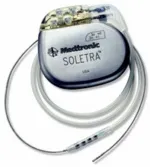

While the actual MP3 device poses no threat to patients, it’s the actual headphones themselves that are the cause, composed of strong little magnets that can disrupt the implants’ firmware if placed within 1.2 inches. This is not a good thing, especially for those patients who depend on pacemakers to keep their hearts pumping. What is surprising is that the information is just now surfacing, as millions upon millions live with these devices day in and day out.
But the good news is that the headphones won’t disrupt the electronics when used normally. It seems like a contradiction; however, that’s the conclusion of Dr. William Maisel of the Medical Device Safety Institute at Beth Israel Medical Center in Boston. "The main message here is: it’s fine for patients to use their headphones normally, meaning they can listen to music and keep the headphones in their ears. But what they should not do is put the headphones near their device," he told Reuters in a telephone interview.
Maisel and his team conducted the experiment using eight different MP3 earphones - ear bud and clip-ons - against sixty pacemakers and defibrillators. When the earphones were placed on top of the cardiac devices, fourteen out of sixty had problems due to interference from the magnets. The study also discovered that defibrillators were more prone to disruption than the pacemakers were. Once Maisel removed the earphones, both devices reverted back to normal status. He also stated that the headphones tested had magnetic strengths more than twenty times higher than the threshold for interfering with the cardiac devices.
But even if the devices were disrupted for more than a few seconds, that could be life or death for patients. Those with cardiac defibrillators rely on the device to normalize the heart’s rhythm with a slight shock if it gets too fast or too slow; such rhythms can lead to heart damage and even death. For pacemakers, disruption could be just as deadly, as the device sends electrical pulses to the heart to speed up or slow down the rhythm on purpose; hearts relying on this device cannot beat on their own.
Years ago pacemaker patients were told to stay away from microwaves and cell phones, however technology has improved in the last decade. But it is certainly surprising that headphones could disrupt modern versions of today, especially with millions of patients sporting MP3 players in parks, on the sidewalk and even in their front yards. Deaths related to earphone use seem quite uncommon.
But as a precaution, those relying on pacemakers and defibrillator should avoid draping the headphones over their chest when not in use. Patients should also avoid placing earphones in shirt pockets or allow someone else with earphones rest their head on the patient’s chest. For those who use Bluetooth devices, currently the technology does not interfere with the cardiac devices. Patients should always research products and their use of magnets before purchasing.
To test Maisel’s claims that headphones can disrupt pacemakers, I have decided to experiment with my own pacemaker implant. If you don’t see another post from yours truly, then more than likely I am dead (or my wife killed me for trying in the first place). ;)
