Tariffs are big news at the moment, with the United States implementing (and then pausing) major tariffs on imports from around the world. The official goal of this is to push companies to bring more manufacturing to the U.S., but is that actually feasible?
One analyst doesn’t seem to think so. Dan Ives, global head of technology research at financial services firm Wedbush Securities, told CNN that the idea of a U.S.-made iPhone is a "fictional tale." In fact he speculated that such a change could lead to "$3,500 iPhones."
This is all down to the fact that companies like Apple would need to replicate the "highly complex production ecosystem" that currently exists in Asia. "You build that in the US with a fab in West Virginia and New Jersey. They’ll be $3,500 iPhones," Ives said.
Ives also added that Apple would need to pay around $30 billion to move just 10% of its supply chain to the U.S. — a process that would take around three years.
Right now around 90% of iPhones are assembled in China. As of last night, Donald Trump paused tariffs from all countries except China, which has been slapped with additional retaliatory tariffs that bring its total up to 125%. Needless to say, the way things are now, iPhone prices are likely to be going up no matter what happens.
Could iPhone production come to the U.S.?

I recently spoke to analyst Ryan Reith, IDC's Group Vice President of WW Device Trackers, about this situation. Reith seemed a little more measured with his predictions, noting that Apple has already announced it would spend $500 billion over the next 4 years to expand its manufacturing and research operations in the U.S. Though there was no mention of building iPhones.
Reith noted that further investments in U.S. manufacturing could happen, but the process will take years to complete. If everything goes well, which is a very big if, it would take three years to initiate small scale operation and five for mass production.
But even then, where iPhones are concerned, we’d probably only see final assembly come to the U.S. The fact is a full "farm to table" approach to phone making isn’t going to be possible. A lot of phone components are still going to be made in Asia no matter what, raw materials aren't going to magically appear in the U.S. no matter what politicians want.
That said the increased cost in labor is less likely to be a factor, though, with Reith pointing out that assembly would almost certainly be automated.
Not that robots are cheap, but they don’t come with requirements for salary, rest breaks and all the other things American workers are entitled to.
What does this mean for prices?
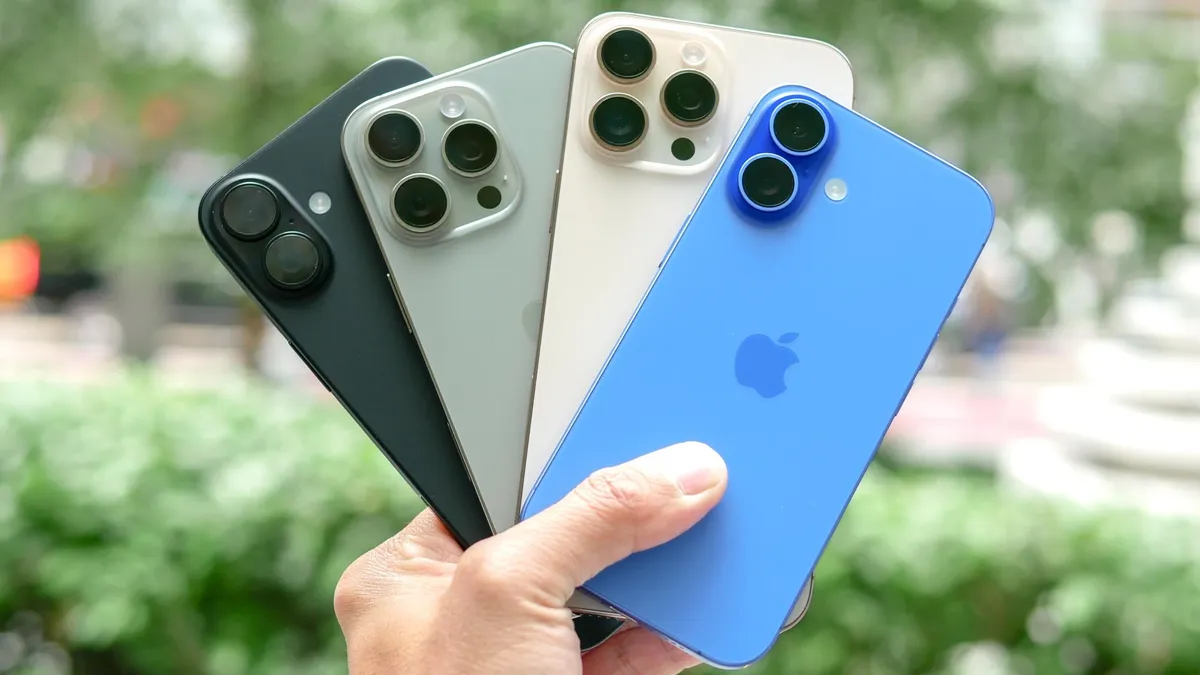
Getting all that infrastructure up and running takes time and money, and Apple is going to want to recoup that investment somehow. While the company could take a hit on its profit margins, that’s almost certainly going to mean raising prices.
Though when we’re talking about hypotheticals, it’s difficult to say how much they’ll change. Or when.
Whether it’s actually going to be worth the investment and price changes all depends on how the tariff situation plays out long term. As we’ve seen so far, things are changing every few days.
Plus, Reith noticed that there are other ways to mitigate the price hikes caused by tariffs. He mentioned that companies could divert shipments from countries with high tariffs via countries with low ones. Singapore was the example he used, since the country was only affected by the blanket 10% tariff currently imposed on every country.
This will increase costs, and pose a logistical hurdle that needs to be overcome. But it looks a lot more appealing when compared to a 125% tariff. This is assuming Apple can’t negotiate a tariff exemption from the Trump administration.
Right now we still don’t know how this will play out in the long term. And honestly, Apple probably doesn’t have a clue either.
More from Tom's Guide
- iPhone sales are surging as shoppers look to beat Trump tariffs — 'people are just rushing in worried'
- Google Pixel 10 Fold price just leaked — and it could be a tipping point for foldable phones
- iOS 19’s massive redesign just teased in new video — but some doubt its accuracy