Every gardener has the same aim — they want their garden to flourish. And, if like me, you are always looking for ways to boost the nutrition of your soil, you’ll be prepared to give even the most bizarre hacks and expert tips a go.
But, while this centuries-old hack may be familiar to some, I've only just heard of it. At first, I didn't know how I felt about the idea of burying fish heads in my yard. Would it not attract pests, or create a nasty smell? But after doing a bit of research, it makes a lot of sense. This is a gardening hack I'm going to have to try myself.
So, once you’ve grilled those sardines and snappers on one of the best outdoor grills and enjoyed a delicious fish supper, here's why adding fish heads to your soil is one of the easiest ways of giving your plants a boost.
History proves it works
Apart from being nutritious for us to eat, fish make surprisingly good fertilizer and can benefit your plants.
It’s a tradition that goes back to Native American growers, who used the "Three Sisters Method" of growing plants in a symbiotic relationship.
They planted corn, pole beans, and squash together, in a manner that we would refer to as companion planting.
Fish were placed under the plants to add nutrients to the soil, and they would decompose over time, feeding the crop until harvest.
I'm British, so while this technique may be familiar to some readers, it's new to me.
The benefit of planting fish in your soil
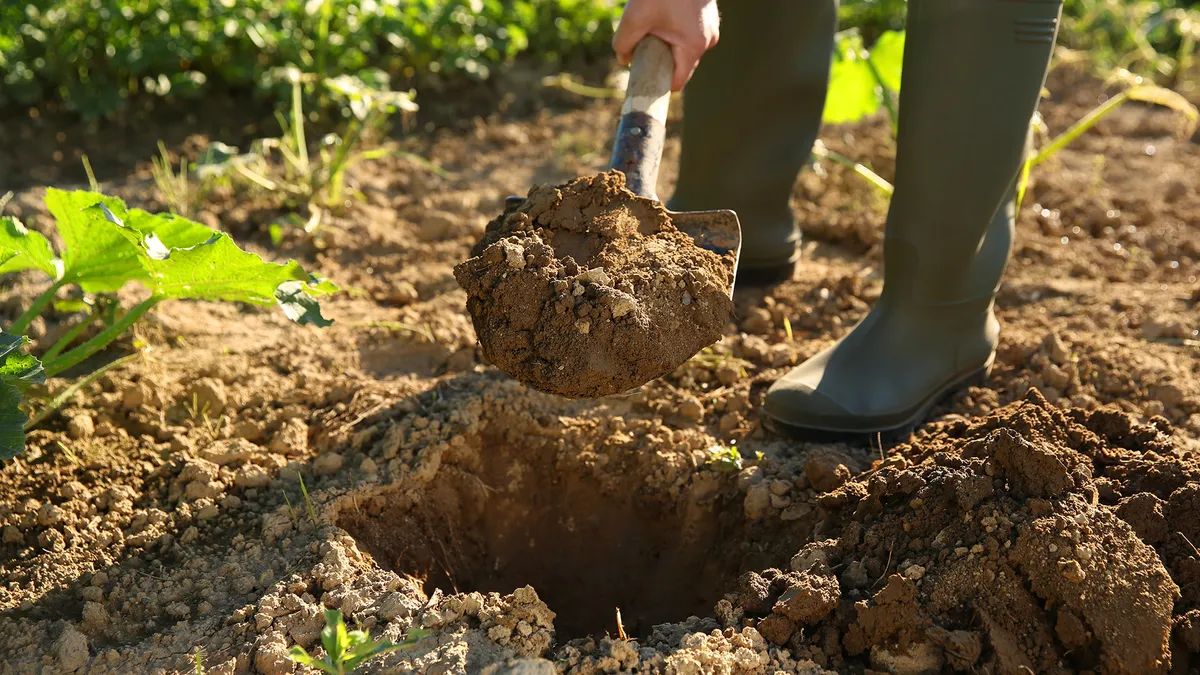
Fish fertilizer is rich in nutrients and includes nitrogen, phosphorus and potassium, along with other micronutrients. It helps to improve the soil’s structure, enhance water retention, and improve aeration.
It’s also an eco-friendly and organic option that uses a product that would otherwise end up in your garbage bin. Plus, it's an easy way to make homemade fertilizer, without spending out.
Rather than placing fertilizer on top of your soil, the benefit of planting fish below the ground is that the nutrients released are deposited directly within the soil and the roots, where all the action happens. What’s more, digging deep disguises the smell that would otherwise attract unwanted pests.
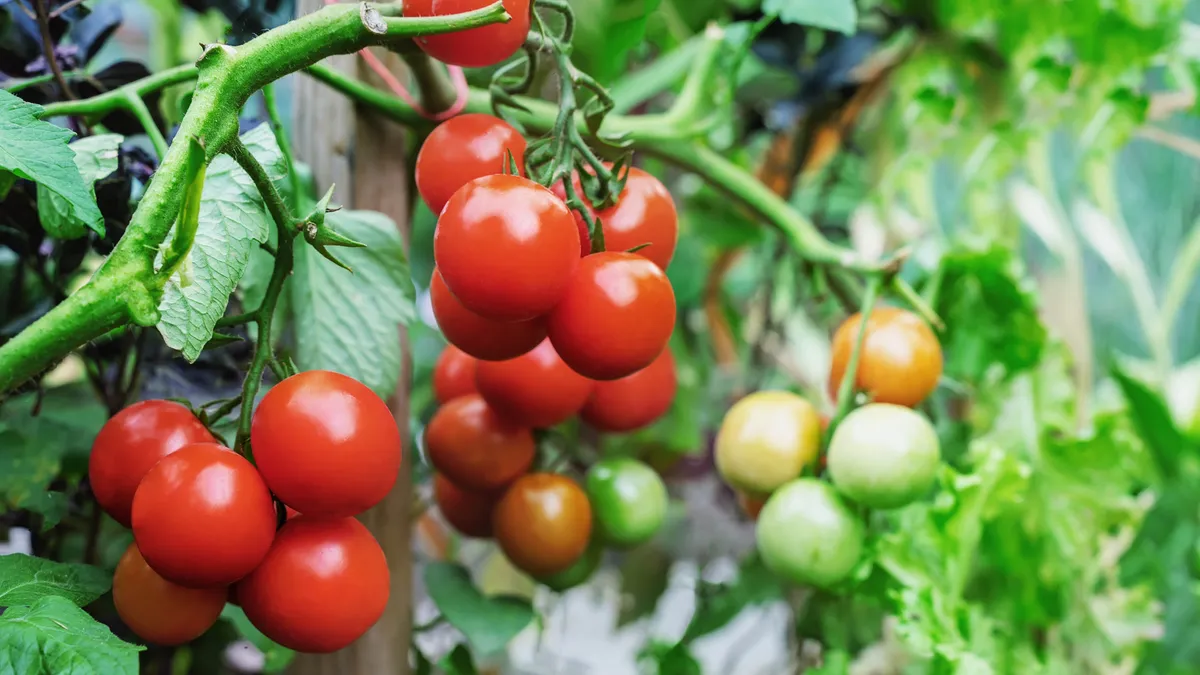
Fish fertilizer is known to work particularly well for tomato plants, with one Reddit user excitedly saying, “Whoa — our plants are way bigger so far this year compared to last year.”
He shares a photo that shows a small tomato plant in the foreground, which didn’t have a fish head planted below, unlike the larger surrounding plants.
So, if you fancy giving this fish fertilizer hack a go, you could start by burying the remaining fish from your supper underneath your tomato plants. The phosphorus alone in the fish will boost root and stalk development.

Deep-rooted plants perform best
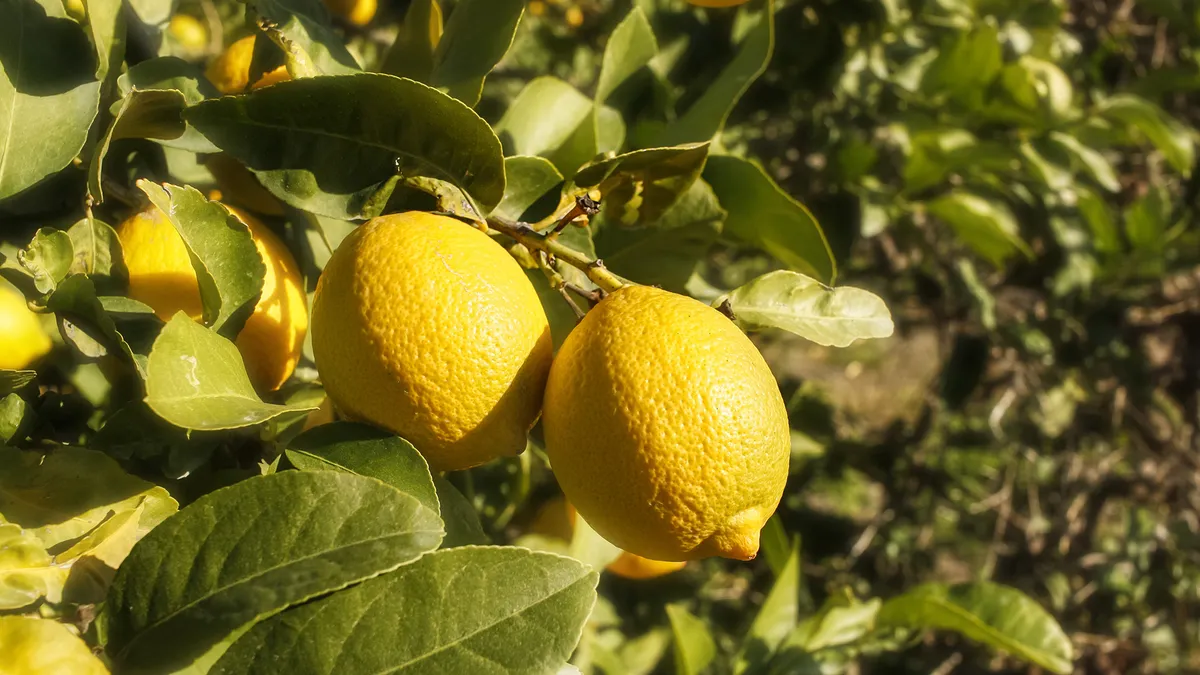
Plants with a deep root system will benefit the most, and apart from tomatoes, citrus, and other fruit trees, will appreciate a fishy treat. Although one user on the Tropical Fruit Forum recommends burying the fish remains at least a foot deep, where dogs and other mammals are unlikely to dig them up.
Although, of course, if you don’t fancy burying the remains of your fish supper underground, you could always use an off-the-shelf organic fish fertilizer, such as Neptune’s Harvest Fish Fertilizer, $39 at Amazon.
Despite this garden tip having lots of benefits, would you be up for planting fish heads in your soil? Well, you might be surprised at the benefits that these nutritious ‘leftovers’ can bring to your garden.
Follow Tom's Guide on Google News to get our up-to-date news, how-tos, and reviews in your feeds. Make sure to click the Follow button.
More from Tom's Guide
- Don't throw them out — banana skins make the ideal garden fertilizer with this 2-step recipe
- How to use coffee grounds as lawn fertilizer — 5 tips for a lush lawn
- This $3 bathroom item is a surprising way to improve your tomato plants according to experts — here's why