AirPods Pro 2 and AirPods Max already offer spatial audio when connected to an iOS device playing songs from Apple Music. But that's not all Apple has planned for spatial audio in 2025.
At its Worldwide Developers Conference in June, Apple quietly revealed how it plans to improve audio immersion beyond what it already offers on devices like the AirPods — and it all hinges on a new audio format called Apple Spatial Audio Format, or ASAF.
You might assume that ASAF is simply a formalization of the spatial audio tech that the Cupertino-based company already offers, but actually, ASAF is a whole different beast.
What is Apple ASAF?
Cutting-edge spatial audio formats like Dolby Atmos don’t just play audio around you, but also above you, adding the final piece of the puzzle to what we now call object-based audio, where audio elements can move in a 3D environment.
You’d assume that’s where immersive audio ends — and if you were to only ever watch content sitting on your couch, it might.
ASAF will include all sorts of new data to create a virtual 3D environment that matches the room you're in.
But Apple has a different idea: Current object-based audio formats can position objects in 3D space, but not your 3D space. ASAF will include all sorts of new data in its calculations, including the position of the listener and even the acoustics of the room itself to create a virtual 3D environment that matches the room you're in.
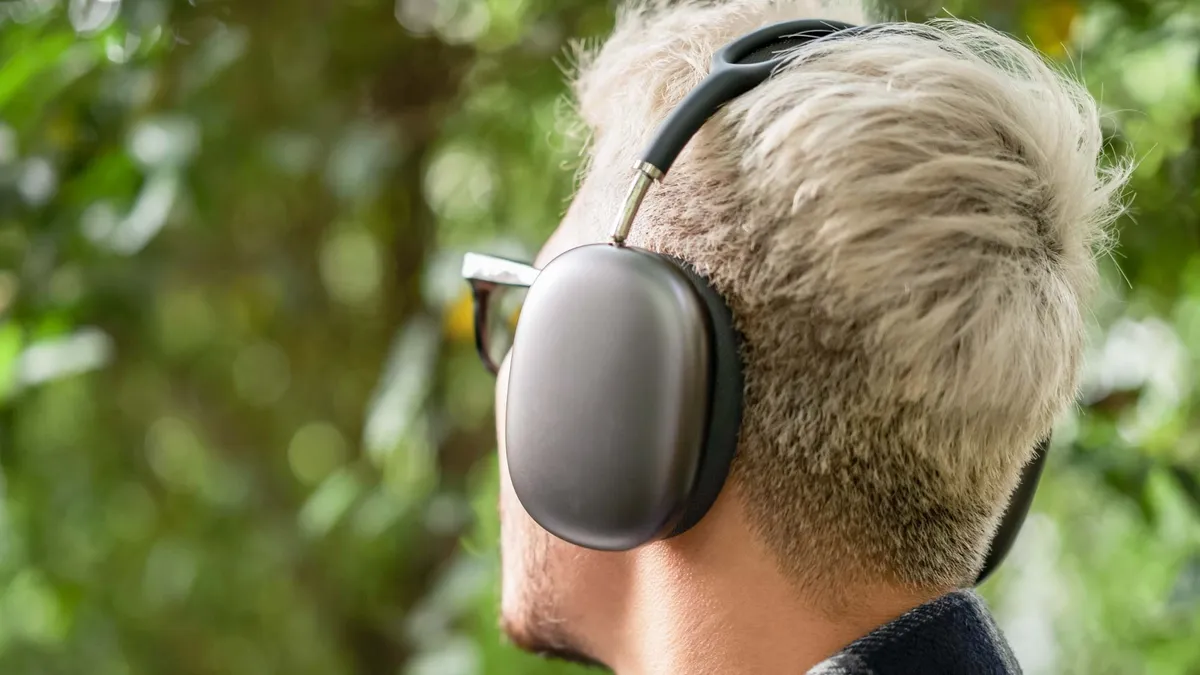
Spatial audio to actually match your space
This all sounds cool in theory, but when would you actually want to take advantage of what ASAF has to offer?
There are plenty of examples. The most obvious is when watching a movie using your AirPods: ASAF could make audio appear not just 3D, but as if it’s playing in your actual environment, adjusting based on your own movements and your own environment.
But, of course, the true purpose of ASAF is perhaps a little more designed for Apple’s next big product line — its next Vision headsets. On the Vision Pro, for example, data like your position in a space and what’s in that space is more readily available — and as such, ASAF will allow make for a much more immersive experience.
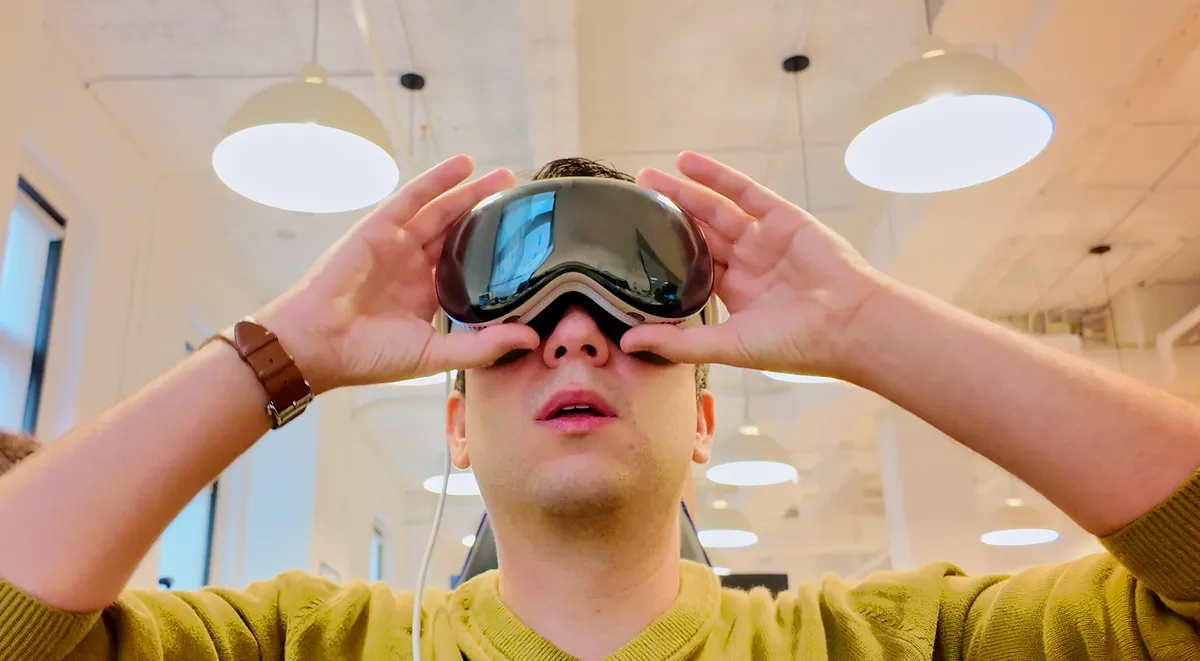
Apple ASAF vs Dolby Atmos
You might notice that the concept of ASAF is a little different from the concept of Dolby Atmos. Dolby Atmos and other 3D audio formats are designed to allow for objects to seem as though they’re anywhere in your 3D environment, assuming you’re in the perfect position on your couch. And, when it comes to watching a movie on your TV, through your Dolby Atmos sound system, that’s not changing with ASAF.
ASAF can still build on Dolby Atmos. Dolby Atmos audio can be rendered through Apple’s new format.
But, ASAF can still build on Dolby Atmos. Dolby Atmos audio can be rendered through Apple’s new format, which adds some extra 3D tricks to audio, to make it more interactive in an environment where a user might move around with headphones.
In some settings, like on the couch with a dedicated sound system, ASAF just isn’t necessary — but when you try to replicate the Dolby Atmos experience with headphones and allow a person to move around, it becomes a whole lot more useful.
Apple ASAF Outlook
As you might expect, ASAF availability will be limited to Apple’s devices — all of its platforms except for watchOS will support the format.
Apple has said that all Apple Immersive Video content will be required to adopt APAC though, so it could gain steam reasonably quickly, at least when it comes to content purpose-made for platforms like VisionOS.
As for when we'll see that next Apple Vision headset, rumor has it that we'll see not one, but two new of them by the end of 2025 or early 2026. And, when they arrive, ASAF will be there to help them sound even more immersive than their predecessor.
Follow Tom's Guide on Google News to get our up-to-date news, how-tos, and reviews in your feeds. Make sure to click the Follow button.
More from Tom's Guide
- Tech CEOs think I'm going to trade my phone for smart glasses — here's why they're wrong
- I tried Snapchat's Spectacles AR Glasses and it changed the way I look at smart glasses — here's why
- Meta’s $1,000 smart glasses with built-in screen reportedly launching this year — here’s what you will see through them