In an age where Photoshop and deepfakes exist, we can’t blame anyone who doesn’t always trust the authenticity of an image they find online. Misinformation is rampant, and even Google search isn’t free from its sticky tendrils. Fortunately, Google is trying to do something about that with an upgrade to Fact Check Explorer.
Fact Check Explorer has been around for a few years, offering the option to check whether those incredible claims you find online are true or not. Now Google is going to add image search capabilities to Fact Check Explorer, for all those dubious-looking images you’re likely to come across on the web.
The idea behind this upgrade is users can either upload an image, or provide a link to it, and have Fact Check Explorer see if it’s been featured in previous fact checks. Another feature allows users to check an image’s context, including when it was first indexed by the search engine and how it’s been used since.
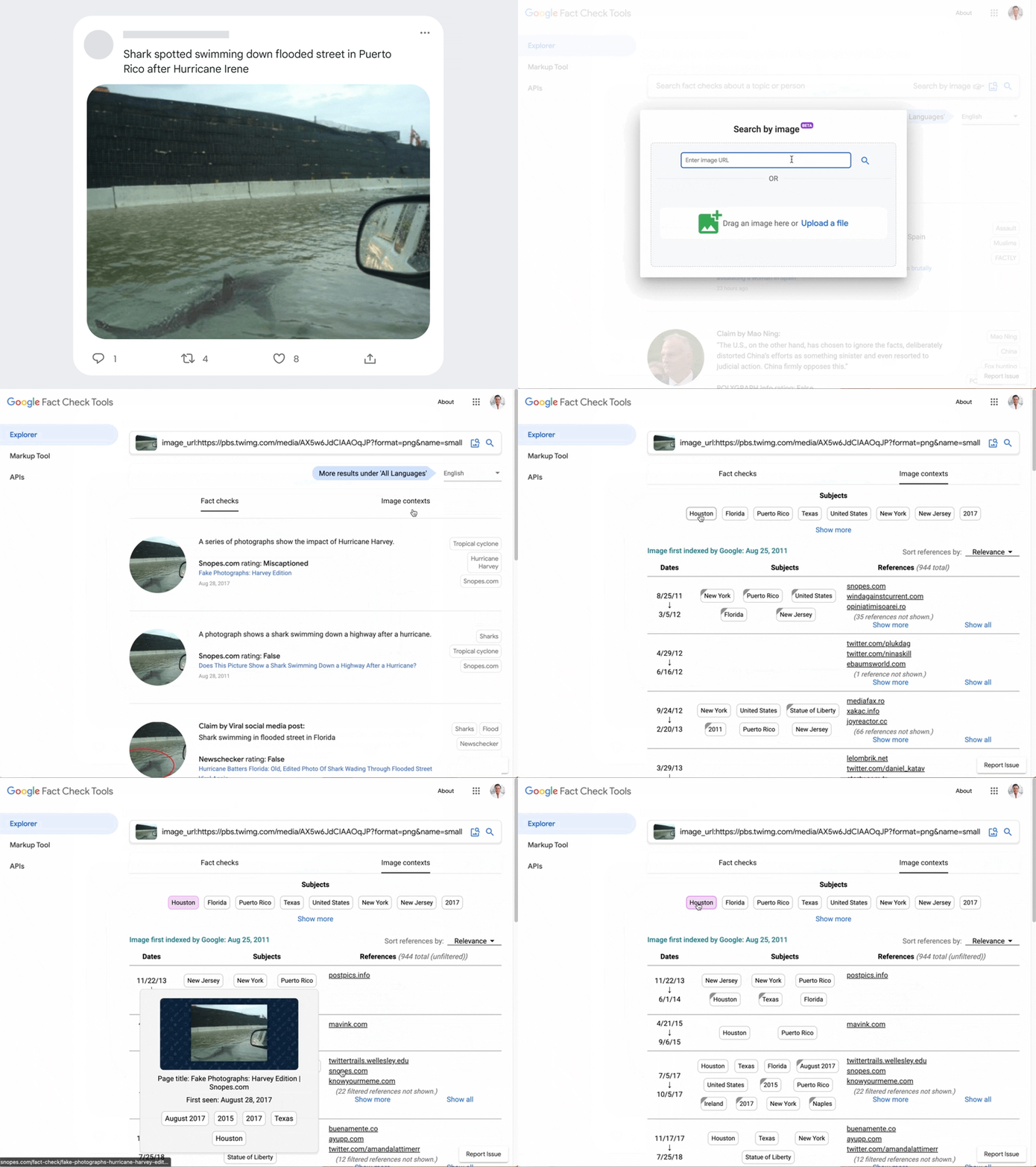
After all, some people may post legitimate images, but with captions that are either misleading or outright false. Google’s own blog post uses the image of what is alleged to be a shark swimming down a highway in Puerto Rico in the aftermath of hurricane Irene. Fact Check Explorer shows this image has popped up several times in the past, relating to hurricanes or other instances of extreme flooding in other locations.
The image in question is also a fake, and part of an urban myth so widespread that it has its own Wikipedia page.
Google is inviting people to join a beta version of this new image search feature, and applications are already publicly available. You do, however, have to be involved in a known fact-checking process if you want to succeed. Whether that’s working as an academic, journalist or for a fact-checking organization. There’s also a wait list, so you may not get access right away.
There’s no word when it might leave beta, or if the public will gain access to the tools themselves. Members of the public can still access the Fact Check Explorer portal and see what dedicated fact checkers have already pushed through the system, making it much easier for you to determine whether stories or images are being used legitimately or not. Which we can all agree is a good thing.
More from Tom's Guide
- Honor Magic V2 set for July 12 reveal — The Galaxy Z Fold 5 has another competitor
- The Boys season 4 is adding 6 new cast members — here's what we know
- OnePlus Nord 3 specs teaser reveals a huge and well-specced Pixel 7a rival